Top natural tips for healthy aging: Evidence-based strategies for extending your healthspan
When discussing the prospect of longevity, experts emphasize that the goal extends beyond merely increasing the number of years lived. Instead, the focus is on maximizing healthspan-the period of life spent in good health, free from the frailty and dependency that can accompany advancing age 1, 4. Research indicates that while genetics play a foundational role in individual aging trajectories, lifestyle factors are equally, if not more, influential in determining how one experiences their later years 1, 5. By understanding the biological processes that drive aging, individuals can implement proactive strategies to support cellular health and physical function 3, 9.
The Core Pillars of Longevity
Longevity researchers consistently identify five foundational pillars that support healthy aging: movement, nutrition, sleep, stress reduction, and social connection 1. These elements function as a framework for maintaining bodily integrity and preventing the accumulation of the hallmarks of aging, which include processes like genomic instability, mitochondrial dysfunction, and cellular senescence 9. Engaging in these habits consistently can provide approximately 80% of the potential improvements in health outcomes, far surpassing the impact of isolated supplements or advanced biohacks 9.
Prioritizing Physical Movement and Strength
Regular physical activity is arguably the most powerful tool available for healthy aging. Data from a large-scale study of 122,007 adults demonstrated that the most physically fit individuals had roughly 80% lower all-cause mortality compared to those with the lowest fitness levels 9. Movement does not require intense athletic training; it involves consistent engagement in aerobic exercise, strength training, and balance activities 10. Aerobic exercise, such as brisk walking, improves cardiovascular health and provides neuroprotective benefits, while strength training helps mitigate sarcopenia-the natural decline in muscle mass that begins accelerating around age 40 6, 12.
| Activity Type | Recommended Frequency | Primary Benefit |
|---|---|---|
| Aerobic Activity | 150 minutes/week (moderate) | Cardiovascular/Cognitive Health |
| Muscle-Strengthening | At least 2 days per week | Muscle mass/Bone density |
| Balance Training | Regularly | Fall prevention/Mobility |
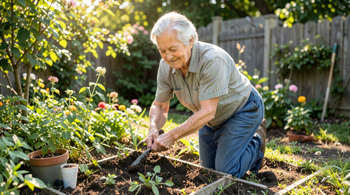
Incorporating simple daily activities, such as gardening, swimming, or bodyweight exercises, can significantly impact long-term physical capacity. The objective is to maintain enough strength and mobility to perform daily tasks, such as carrying groceries or climbing stairs, without hesitation or fatigue 2, 10.
Nutrition and Cellular Health
Dietary habits represent a critical component of the longevity puzzle, with an emphasis on Mediterranean-style, plant-forward eating patterns 5, 9. Consuming nutrient-dense foods like berries, leafy greens, walnuts, and fatty fish high in omega-3 fatty acids helps reduce chronic inflammation and mitigate oxidative stress 5, 12, 14. Adequate protein intake is also vital for preserving muscle mass, as it provides the building blocks necessary to counteract age-related protein degradation 11.
Furthermore, maintaining proper hydration becomes increasingly important as the human body ages. The natural sensation of thirst often diminishes with age, which can lead to inadvertent dehydration if fluid intake is not intentionally managed throughout the day 16. Staying hydrated supports cellular function and is essential for the systemic processes that govern metabolism and waste removal.
The Role of Sleep and Stress Management
Deep sleep is characterized by researchers as a period for brain cleansing and systemic repair, essential for immune function and cognitive regulation 5, 15. Aiming for 7 to 9 hours of quality sleep each night is fundamental for individuals seeking to maintain long-term physiological and mental sharpness 9, 15. Conversely, chronic stress management is crucial because elevated cortisol levels can impede immune function and accelerate the wear-and-tear associated with aging 18.
Practicing mindfulness, meditation, or spending time in natural settings can assist in lowering cortisol and supporting mental well-being 1, 5, 19. By reducing the physiological impact of daily stressors, individuals can maintain a more balanced internal environment, which is conducive to sustained cellular resilience.
Social Connection as a Biological Buffer
The impact of social connection on health is profound; loneliness has been categorized by some researchers as a factor causing as much damage to the body as smoking 7. Tight-knit social groups, such as the moais found in Okinawa, demonstrate that regular interaction, shared responsibilities, and communal laughter are associated with lower stress hormones and improved mental health outcomes 7, 13. Strengthening friendships and maintaining community ties provides a biological buffer against cognitive decline and fosters a sense of purpose that is common among centenarians 7, 13.
Preventive Healthcare and Environmental Protection
Healthy aging also requires diligent attention to preventive care and environmental factors. For instance, the consistent use of broad-spectrum SPF 30+ sunscreen is the most effective natural measure for preventing photo-aging and reducing the risk of skin cancer 17. Furthermore, regular health screenings are necessary to identify and manage potential issues before they develop into chronic conditions that significantly restrict daily functioning 6.
While the biological hallmarks of aging are complex, the integration of these evidence-based habits allows individuals to exercise agency over their own aging trajectory. By focusing on the consistency of these daily habits-movement, diet, sleep, stress management, and social engagement-people can optimize their healthspan and remain active contributors to their lives well into their later decades 4, 8.
Sources
- Harvard Health Publishing: The 5 Pillars of Longevity
- Harvard Health Publishing: Pathways to Longevity Report
- BBC Science Focus: Reversing Biological Age
- Prevention: Secrets to Healthy Aging
- AARP: Daily Habits to Live Longer
- Stanford Medicine: Habits for Longevity in Your 40s and 50s
- Oprah Daily: Centenarian Longevity Habits
- HuffPost: Experts on Aging
- Longevity Germany: How to Slow Aging
- Natural Mentor: Habits That Matter Most
- Harvard Health: Preserve Your Muscle Mass
- National Institute on Aging: Exercise for Older Adults
- CDC: Loneliness in Older Adults
- Cleveland Clinic: Anti-Aging Diet
- Sleep Foundation: Aging and Sleep
- Mayo Clinic: Dehydration in Older Adults
- American Academy of Dermatology: Sunscreen Tips
- WebMD: Stress Management for Seniors
- Johns Hopkins: Osteoporosis and Bone Health
Authored by 24Trendz team