How to lower blood sugar safely: A doctor-informed guide to readings, risks, and next steps
Questions about how to lower blood sugar fast, including claims about natural remedies, require context rather than a single shortcut. A high reading may follow a meal, stress, illness, dehydration, missed medication, or an insulin-delivery problem, and the safest response depends on the number, symptoms, diabetes status, and personal care plan.
Start by confirming the reading
A single unexpected result is not automatically an emergency. Food residue, lotion, or an inaccurate test can affect a fingerstick reading, so washing and drying the hands before repeating the measurement is a practical first step. People using a continuous glucose monitor may need a meter confirmation when the displayed number does not match symptoms. A pattern of readings is more informative than one isolated result. 1
Record the result, timing, recent food, activity, illness, stress, and medication use when possible. For many non-pregnant adults with diabetes, a commonly cited target is 80 to 130 mg/dL before meals and below 180 mg/dL after eating, although targets vary by age, health, pregnancy, and treatment. Individual instructions from a clinician take priority over general ranges. 5
Know when high blood sugar is urgent
Marked or persistent hyperglycemia can progress to diabetic ketoacidosis or hyperglycemic hyperosmolar syndrome. Warning signs include extreme thirst, frequent urination, dry mouth or skin, weakness, blurred vision, nausea, vomiting, abdominal pain, confusion, fruity-smelling breath, and difficulty breathing. Vomiting, confusion, breathing difficulty, severe weakness, or dehydration should be treated as reasons to seek urgent medical care rather than continue home troubleshooting. 2
AdventHealth notes that readings at or above 300 mg/dL may indicate a serious problem requiring immediate care, particularly when symptoms are present. The number alone does not describe the entire risk, but a very high result that does not improve, especially during illness, warrants medical advice. Emergency services are appropriate for severe symptoms, inability to keep fluids down, altered mental status, or suspected ketoacidosis. 3
Use medication only according to the plan
Insulin and other diabetes medicines can lower glucose, but taking extra doses without prescribed correction guidance can cause dangerous hypoglycemia. Insulin should not be stopped, skipped, or changed independently. If a correction plan exists, it should be followed exactly, including any instructions about timing, repeat testing, meals, and contacting the diabetes care team. When no plan exists, professional guidance is safer than guessing at a dose. 8
Illness can raise glucose even when food intake is reduced. During sickness, more frequent monitoring, hydration, ketone checks when recommended, and use of a clinician-provided sick-day plan may be necessary. Persistent high readings, positive ketones, or worsening symptoms require medical advice. Exercise is not a substitute for insulin and can worsen a dangerous metabolic state when ketones are present or a person feels unwell. 2
Choose activity and hydration carefully
Light or moderate activity can help muscles use glucose for energy, and a short walk after eating may blunt a post-meal rise for some people. However, exercise-related hypoglycemia is possible for people using insulin or medicines that increase insulin release. Glucose monitoring, awareness of symptoms, and the person’s established activity instructions are important. Activity should be postponed when ketones are present, glucose is very high, or illness symptoms are significant. 9
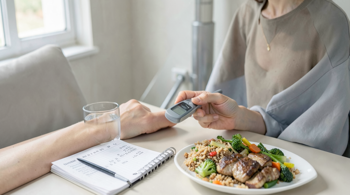
Water or other unsweetened beverages can reduce intake of rapidly absorbed carbohydrate and help address dehydration associated with frequent urination. Hydration does not replace medical treatment and cannot reliably correct severe hyperglycemia. Sugary drinks can raise glucose quickly, while a balanced eating pattern generally emphasizes vegetables, fruits, beans, whole grains, lean proteins, and healthy fats rather than refined carbohydrates and added sugars. 7
Build sustainable daily control
Long-term control depends on more than reacting to spikes. Regular meals, higher-fiber foods, physical activity, weight management when appropriate, and prescribed medicines can support blood-glucose management. Mayo Clinic describes a diabetes eating plan as a nutrient-rich pattern built around healthy foods in moderate amounts and regular mealtimes. For some people with type 2 diabetes, weight loss can make glucose management easier, but goals should be individualized. 6
The diabetes ABCs provide a broader framework: A1C, blood pressure, and cholesterol, along with smoking cessation where relevant. A1C reflects average glucose over approximately three months, and a commonly used goal for many people with diabetes is below 7%, though personal targets differ. Consistently high glucose can contribute to eye, kidney, nerve, foot, heart, and blood-vessel complications, making routine follow-up part of safe management. 4
Do not overlook low blood sugar
Attempts to lower glucose too aggressively can produce hypoglycemia. Blood sugar below 70 mg/dL, or below 4 mmol/L, is generally considered low. Common responses include shakiness, sweating, weakness, dizziness, confusion, or difficulty concentrating, although symptoms vary. The NHS advises treating a low with rapidly absorbed sugary food or drink and reassessing after about 15 minutes. A diabetes care plan should specify the appropriate amount and follow-up. 10
People without a diabetes diagnosis who repeatedly record high glucose should seek clinical evaluation rather than relying on home remedies. Excessive thirst, frequent urination, blurred vision, or unexplained weight loss can occur with diabetes and deserve assessment. A clinician may use fasting glucose or an A1C test to evaluate the broader pattern. Safe management therefore means confirming results, identifying triggers, avoiding unplanned medication changes, and matching the response to symptoms. 5
Practical response by situation
| Situation | Safer general response |
|---|---|
| One high reading, no serious symptoms | Wash and dry hands, recheck, drink water, review recent food and the prescribed plan. |
| High reading during illness | Monitor more often, follow sick-day instructions, check ketones when advised, and contact a clinician if levels persist. |
| High glucose with ketones or feeling unwell | Avoid exercise and seek medical advice, particularly if vomiting, weakness, or breathing changes occur. |
| Confusion, vomiting, breathing difficulty, or severe dehydration | Seek emergency medical care rather than attempting further home corrections. |
These situations illustrate why the goal is controlled correction, not the fastest possible drop. A clinician or diabetes care team can set individualized targets, explain medication timing, and establish thresholds for ketone testing and emergency assessment. Monitoring records can also show how meals, activity, illness, and medicines affect glucose, allowing treatment discussions to focus on recurring patterns instead of isolated guesses. 4
Sources
- Prevention, “How to Lower Blood Sugar Quickly and Safely, According to Doctors”
- Acibadem Hospitals Group, “Lower Blood Sugar Fast: Safe Steps and Warning Signs”
- AdventHealth, “How to Lower Blood Sugar Quickly in an Emergency”
- National Institute of Diabetes and Digestive and Kidney Diseases, “Managing Diabetes”
- UT MD Anderson, “6 Tips to Lower Your Blood Sugar”
- Mayo Clinic, “Diabetes Diet: Create Your Healthy-Eating Plan”
- Harvard Health, “Prediabetes Diet: How to Help Prevent Progression to Diabetes”
- Centers for Disease Control and Prevention, “Managing Diabetes When Sick”
- American Diabetes Association, “Fitness”
- NHS, “Low Blood Sugar, Hypoglycaemia”
Authored by 24Trendz team