Techniques to reduce fatigue from poor sleep daily: An Evidence-Based Daytime Recovery Guide
Techniques to reduce fatigue from poor sleep daily focus on managing daytime fatigue without treating temporary alertness as a substitute for restorative sleep. Evidence from behavioral sleep medicine emphasizes activity pacing, behavioral activation, relaxation, mindfulness, carefully timed naps, and caffeine scheduling, while clinical guidance stresses that most adults still require at least seven hours of sleep regularly.
Distinguishing fatigue from sleepiness
Fatigue is a feeling of depleted energy, whereas sleepiness is an increased tendency to fall asleep. A review of behavioral, cognitive, and acceptance-based strategies reported that insomnia is often dominated by fatigue rather than obvious sleepiness because hyperarousal and compensatory behaviors, such as spending excessive time in bed, can mask normal sleep pressure. This distinction matters because an exhausted person may benefit from gentle engagement, while someone struggling to stay awake needs a safety-focused response. 1
Sleep deprivation can impair attention, reaction time, decision-making, mood, and general daytime functioning. These effects can make routine work feel more demanding and can reduce tolerance for stress. Short-term measures may lessen symptoms, but they do not fully reverse sleep loss. Persistent or severe daytime sleepiness should be treated differently from ordinary tiredness, particularly when it affects driving, machinery use, or other safety-sensitive tasks. 2
Use light and movement to support alertness
Outdoor light is a strong environmental signal for the circadian clock, the system that helps coordinate sleep and wake timing. Morning exposure can reinforce wakefulness during the day and support a more stable rhythm at night. A practical approach is spending time outdoors soon after waking or working near natural light when possible. Midday outdoor light may also provide an alerting cue, although bright-light devices require careful use according to their instructions. 3
Light physical activity can temporarily improve energy and alertness without requiring a demanding workout. A brief walk, gentle mobility routine, or other moderate movement can be used when fatigue encourages prolonged inactivity. Activity pacing is important: behavioral sleep research advises avoiding both overexertion and complete rest, with engagement adjusted to current limits. Regular exercise is also associated with healthier sleep practices over time, but intense exertion may be unsuitable during marked exhaustion. 4
Plan naps and caffeine carefully
A short nap can improve alertness while reducing the grogginess that may follow longer sleep episodes. Guidance summarized in the research supports naps of approximately 10 to 20 minutes, preferably in the earlier afternoon. A review of fatigue strategies also describes a strategic 30-minute nap during the early afternoon, although longer naps can create more post-nap sleep inertia or reduce sleep pressure at night. People with persistent insomnia should monitor whether daytime naps worsen nighttime sleep. 5
Caffeine can temporarily increase alertness, but its effects may persist long enough to interfere with later sleep. One controlled study found that caffeine consumed even six hours before bedtime significantly disrupted sleep. Timing therefore matters more than simply increasing the amount. Caffeine is not a dependable safeguard against dangerous drowsiness, and combining it with a short nap does not make driving while sleepy safe. 6
Reduce cognitive and nervous-system strain
Relaxation techniques can address the heightened arousal that sometimes accompanies poor sleep. Progressive muscle relaxation, diaphragmatic breathing, and brief mindfulness exercises are described as daytime tools, not only bedtime rituals. They may reduce sympathetic activation and the secondary distress layered onto fatigue. These methods are not stimulants and should be understood as ways to lower tension and improve task tolerance rather than as replacements for sleep.
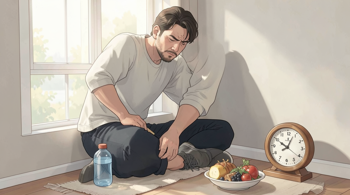
Behavioral activation can be useful when fatigue is accompanied by low mood or underactivity. Instead of waiting to feel energetic before beginning every task, a person can divide essential activities into manageable periods and include recovery breaks. Short focus blocks, such as 20 minutes followed by a break, can reduce cognitive overload during an unusually difficult afternoon. Behavioral experiments may also test catastrophic beliefs, including the assumption that one poor night will inevitably cause major errors at work. 7
Choose steady food and hydration
After inadequate sleep, balanced meals may be more practical than relying on rapid sugar spikes or repeated stimulants. Research information provided for this topic identifies whole grains, protein sources, healthy fats, and water as components of steady daytime nourishment. Examples include oatmeal, brown rice, quinoa, eggs, Greek yogurt, nuts, lean meats, avocado, olive oil, and fatty fish. These choices support regular fueling, while highly sugary snacks may be followed by an energy dip. 8
Hydration is another basic factor that can compound or ease perceived fatigue. Water can be consumed regularly through the day, with hydrating foods such as cucumber or watermelon contributing to intake. Nutrition cannot erase the cognitive effects of sleep deprivation, and no particular food should be presented as a guaranteed recovery treatment. The most defensible aim is to avoid additional strain from irregular eating, dehydration, or heavy meals that make afternoon sluggishness worse. 9
Protect the following night
Daytime recovery is most useful when it supports the next sleep period rather than creating a cycle of compensation. A consistent wake time helps anchor the daily schedule, while dimmer evening light, fewer electronic distractions, and a cool, dark, quiet bedroom support sleep conditions. Alcohol is not a reliable recovery strategy: although it may make falling asleep easier, it can fragment sleep and worsen next-day tiredness. 10
Longer-term improvement depends on addressing repeated causes of poor sleep. Cognitive behavioral therapy for insomnia is recommended as a first-line treatment for chronic insomnia rather than relying only on sleeping pills. A same-day plan should therefore include a realistic bedtime, avoidance of excessive time in bed while awake, and attention to recurring patterns such as late caffeine, irregular schedules, or evening stress. Sleep diaries can help identify patterns, but wearable estimates should not be treated as a diagnosis.
Recognize safety and medical warning signs
Anyone who is very sleepy should avoid driving and operating machinery. Drowsy driving can impair reaction time, judgment, and attention, and coffee alone may not reliably prevent a dangerous lapse in alertness. A brief nap and transportation alternative may be safer than attempting to push through severe sleepiness. Workplace decisions should also account for reduced concentration after prolonged wakefulness, especially where mistakes could harm the individual or others.
Fatigue that persists despite adequate time in bed warrants clinical attention. Possible contributors include insomnia, sleep apnea, medication effects, depression, anemia, thyroid disease, infections, and other medical conditions. Loud snoring, witnessed breathing pauses, repeated nighttime awakenings, or unrefreshing sleep can provide useful information for a clinician. The central principle is that daytime techniques can manage symptoms temporarily, while recurring fatigue requires evaluation of the underlying sleep or health problem.
Sources
- PsychPartners, “Behavioral Change for Daytime Fatigue”
- NSDR.co, “How to Recover From Poor Sleep: A Same-Day Protocol”
- NexlyNews, “Post-Poor Sleep Recovery: Effective Midday Reset Techniques”
- Gigi Perucho, MD, “Sleep Hygiene Is a Bad Name for a Good Idea”
- NexlyNews, “Balancing Nutrition and Light Movement to Support Recovery After Poor Sleep”
- Neuro Surge Review, “How to Boost Brain Function After Poor Sleep”
- McGill University, “Workout or Nap? Either Can Help Your Sleepless Brain”
- New Zapiens, “The 24-Hour Sleep Model”
- Patients Medical, “Sleep Disorders and Chronic Fatigue Explained”
- Well Health Awareness, “How To Not Feel Sleepy?”
Authored by 24Trendz team