Ways to manage eczema flares at home: Clinical perspectives on dermatological self-care
Eczema, or atopic dermatitis, is a chronic inflammatory skin condition characterized by a compromised skin barrier, which leads to heightened sensitivity, dryness, and recurring flares 4, 7. Research indicates that individuals with moderate to severe atopic dermatitis experience an average of nine flares per year, with durations ranging from several days to weeks depending on individual severity and external triggers 1. Effectively managing these episodes requires a combination of protective skincare routines, lifestyle modifications, and the strategic application of topical agents to restore the skin’s integrity 9.
Prioritizing Skin Barrier Hydration and Protection
The foundation of managing eczema revolves around the frequent and liberal application of moisturizers to compensate for the skin's reduced ability to retain water 3. Experts emphasize that timing is critical; applying fragrance-free moisturizers within three minutes of bathing is essential to lock in hydration before the skin dries completely 2, 6. Choosing the right consistency is equally important, as ointments often contain fewer preservatives, making them suitable for sensitive skin, whereas creams and lotions may require more frequent application throughout the day 3.
Consistency in this daily maintenance routine is significantly more effective than reactive treatments alone for controlling symptoms over time 10. Individuals are encouraged to experiment with different forms, such as emollients, creams, or ointments, to identify which product best suits their lifestyle while avoiding added scents, which are common irritants that can exacerbate inflammation 3, 4, 9. By maintaining a supple skin barrier, the frequency of flares can be reduced, and the time between outbreaks can be increased through regular care 9.
Adapting Bathing Habits to Minimize Irritation
Bathing practices significantly impact the skin barrier, and improper techniques can lead to moisture stripping even when using products marketed as gentle 2. Long, hot showers or baths are known to weaken the skin’s protective layer and remove natural oils 2, 4. Clinical recommendations suggest limiting bathing time to five to ten minutes and ensuring the water temperature remains lukewarm to avoid aggravating the underlying condition 9.
Furthermore, the use of harsh, fragrant soaps or detergents should be avoided, as these products commonly strip the skin of its natural protective lipids 4. Opting for soap-free, hypoallergenic cleansers helps minimize irritation to the already sensitive skin of individuals with atopic dermatitis 3, 9. Integrating these adjustments into a daily hygiene regimen can prevent the inflammatory cycle that often follows water-based cleansing, providing a more stable environment for healing 4.
Environmental Management and Trigger Avoidance
Identifying and mitigating individual triggers is a crucial aspect of flare management, with studies suggesting that avoiding specific personal irritants can reduce flare frequency by up to 70% 6. Common environmental triggers include heat, excessive sweating, pet dander, dust mites, and certain fabrics like wool or synthetic materials that create friction against the skin 4, 6, 9. Using a humidifier during winter months can also be beneficial, as indoor heating systems often lower humidity levels, leading to further skin dryness 1, 9.
Wearing loose-fitting, breathable fabrics such as cotton is widely recommended to reduce heat buildup and mechanical irritation that frequently exacerbates eczema symptoms 9. Beyond clothing choices, managing stress levels and monitoring for food sensitivities may also play a role in reducing the recurrence of flares in certain individuals 6, 7. A systematic approach to documenting and avoiding these triggers allows for a more personalized care strategy that aligns with daily lifestyle requirements 6.
Managing Intense Itching and Scratching
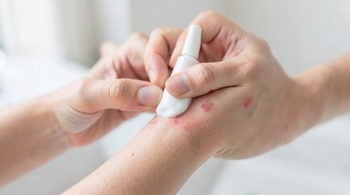
The itch-scratch cycle is a significant barrier to healing, as repeated trauma from scratching keeps the skin in a state of inflammation and increases the risk of secondary infections 2, 7. Keeping fingernails short is a simple yet vital mechanical intervention to minimize skin damage caused by unconscious scratching during sleep 9. Additionally, the use of cold compresses on affected areas can provide immediate relief from the sensation of heat and itch, often making the urge to scratch easier to manage 6, 9.
For more persistent cases, non-prescription hydrocortisone creams can be used for short, controlled durations to treat localized inflammation 6, 9. In instances where nocturnal itching disrupts sleep, oral antihistamines may be utilized to aid in rest and reduce the likelihood of scratching during the night 9. These methods provide relief while allowing the skin to repair itself without the interference of constant mechanical abrasion 9.
Advanced Home Treatment: Wet Wrap Therapy
For more severe flares, clinicians may recommend wet wrap therapy, a technique that involves applying medication to the affected area and covering it with a damp bandage or garment, followed by a dry layer 7, 9. This method is designed to increase the absorption of topical treatments and provide prolonged hydration to the skin, which can significantly calm inflammation and soothe the area 9. The cooling sensation of the damp wrap can also provide immediate relief from intense itching 9.
While highly effective, this technique should be approached with caution to ensure the correct application of topical products. The primary goal is to seal in moisture and protect the skin barrier, creating an optimal environment for healing during the initial days of an intense flare-up 4, 9. This method represents a more intensive, though manageable, home-based approach for patients who require additional support beyond standard moisturizing routines 9.
Monitoring for Complications and Professional Consultation
While most eczema flares are manageable at home, it is essential to monitor for signs of secondary infection, which include oozing, yellow crusting, increased warmth, or worsening redness 1, 8. When flares become persistent, spread rapidly, or significantly interfere with daily life and sleep, seeking professional dermatological advice is necessary 7, 8. Clinical oversight ensures that treatment plans are safely adjusted and that other skin conditions are properly ruled out 8.
Maintaining a proactive dialogue with a healthcare provider can help individuals refine their home-care routines and explore advanced treatment options if home management becomes insufficient 8. Understanding the limits of at-home care is a critical component of successful long-term management, ensuring that inflammatory symptoms are addressed before they escalate into more complex dermatological issues 8.
Sources
- Cleveland Clinic: Eczema Flare-Ups: Common Triggers and Relief
- Healthline: Expert tips for managing eczema flare-ups
- Eczema Association of Australasia: Eczema Flare Toolkit: Bleach Baths, Oatmeal Baths and Wet Wraps
- Pharmica: How to treat eczema flare-ups: A practical guide
- Skin Wellness Dermatology: How to Calm an Eczema Flare-Up and Find Lasting Relief
- Doctronic: How To Manage Eczema Flares At Home: 8 Proven Strategies That Work
- Acibadem Hospitals Group: Eczema: Symptoms, Triggers, And Skin Barrier Care
- Ubie Health: Atopic Dermatitis Skin Repair Guide
- Health.com: 12 Ways To Stop Eczema Itch Without Scratching
- Verywell Health: How to manage eczema at home
Authored by 24Trendz team