Antarctica Expedition Cruises: Industry guidance based on current itinerary details, ship constraints, and operating realities
Antarctica Expedition Cruises typically combine guided Zodiac landings, onboard lectures, and expedition team briefings, reflecting how Antarctica operations change with conditions. Published itinerary descriptions also repeatedly reference the Drake Passage crossing as part of many routings, along with wildlife viewing and onshore time shaped by ice and weather constraints. 1 2
What “expedition” means in Antarctica cruise operations
Many Antarctica Expedition Cruises are described by operators as expedition format, where the daily plan is not treated as fixed regardless of conditions. Instead, routing and activity sequencing are shaped by ice, weather, and wildlife presence, which directly affects where Zodiac craft can land and whether certain onshore activities are feasible on a given day. 2 3
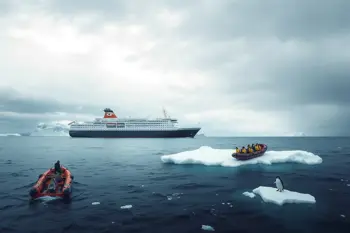
Itineraries frequently include a blend of Zodiac cruising around icebergs, onshore exploration, and onboard interpretation via lectures and briefings. For example, published highlights for Lindblad itineraries emphasize Zodiac cruise around icebergs, hikes, kayaking, and whale spotting from the ship, plus National Geographic Photography Expert support for photography. 4 5
Typical itinerary building blocks
Across multiple published programs, the structure commonly includes a South America gateway start or return, a Drake Passage transit, and several land days focused on Antarctic Peninsula and nearby regions. One Polar Cruises itinerary describes 4 planned days in Antarctica with Zodiac cruising and on-foot exploration, while also including a Drake Passage crossing before and after the continent days. 6
Similarly, expedition product pages for Penguin and ice-walk style programming often describe “pack ice walks” or on-ice activity options when conditions allow, paired with Zodiac navigation in bays and coves. Oceanic Society describes an Antarctic Peninsula and South Shetland Islands cruise emphasizing Zodiac exploration, pack ice walks when conditions allow, and multiple types of expedition activities. 7
Where trips go: Peninsula focus, plus South Georgia, Falklands, and beyond
Several published Antarctica Expedition Cruises remain centered on the Antarctic Peninsula, described as the most accessible and wildlife-rich part of the region. Secret Atlas states that Antarctica cruises operate across three main regions: the Antarctic Peninsula, South Georgia and the Falklands, and the Antarctic Circle region reaching 66°33'S, with some voyages combining multiple regions in a single program. 8
Lindblad and Polar Cruises also reflect multi-region options in longer itineraries. Lindblad’s program explicitly combines Antarctica with South Georgia and the Falklands, while Polar Cruises includes a 21-day route that spends multiple days on each sub-region and includes a Shackleton-related stop in South Georgia at Grytviken. 4 9
Example regions and what operators highlight
| Region | How it is described in provided itinerary data |
|---|---|
| Antarctic Peninsula | Emphasis on Zodiac cruising around icebergs, hikes, kayaking, and penguin species including gentoo, Adelie, and chinstrap in published highlights. 4 |
| South Georgia | Frequently presented as king penguin colony habitat; Lindblad mentions colonies and Shackleton’s final resting place; Polar Cruises notes Grytviken visits. 4 9 |
| Falklands | Described as British history and wildlife rich areas; some itineraries include birdlife scanning and landings at places such as Port Stanley. 9 |
| Antarctic Circle | Programs describe pushing south toward 66°33'S and prioritizing opportunities to reach or cross the imaginary line, with whale spotting and kayaking emphasized. 5 8 |
Ship types, capacity, and operational constraints
Ship selection influences how an Antarctica Expedition Cruise is experienced, primarily through capacity, ice capability, and how landings are staged. Secret Atlas specifies a 36-guest model on its purpose-built vessel Aureum with four Zodiacs and a 1:6 ratio, describing that every guest lands at every site during a single Zodiac deployment and that there is no rotation or queueing. 8
Other provided descriptions show much higher guest counts on different ships, which changes landing logistics and pacing. Polar Cruises’ “Premium Ship” examples cite Ocean Victory with 175 guests and World Voyager with 168 guests, and the itineraries describe 4 planned days in Antarctica for each. 6 10
Ice class and safety messaging
Some itineraries reference specific ice class category language to communicate capability for polar conditions. Lindblad’s “Quest for the Antarctic Circle” highlights top-tier ice class vessels listed as PC5 Category A, with safety technologies that exceed industry requirements, framing access to rarely visited territory as conditions allow. 5
Lindblad’s product copy also contrasts standard operations with Fly the Drake Passage formats, where delays and early departures due to flight inclement weather are described as common, and contingency activities may be implemented if flight schedules adjust. That kind of operational note is a key constraint for planning and expectations. 11
Pricing signals and what “from” costs can mean in practice
Price presentation in Antarctic Expedition Cruise pages often appears as a “from” figure paired with exclusions such as flights. Lindblad’s “Voyage to Antarctica” page lists from $14,490 per person and notes that it does not include flights. Other pages show higher “from” levels when multi-region itineraries expand the route length, such as Lindblad’s Antarctica, South Georgia, and the Falklands program listing from $19,308 per person and also stating flights are not included. 4 12
In provided data, Polar Cruises lists “Starting at $11,131” for an 11-day Antarctic Peninsula voyage on a 175-guest ship and “Starting at $12,000” for an Ortelius 13-day Antarctic Circle focused itinerary. LostWorld includes an 11-day expedition cruise described with an $8,950 per person starting point in the provided excerpt, again presented as double occupancy based and with inclusions described in its exclusion list. 6 13 14
How to interpret fare framing without assuming what is included
- Many excerpts explicitly state exclusions like flights. 4 12
- Different itineraries describe different totals for days in Antarctica. Polar Cruises specifies 4 planned days in Antarctica for both Ocean Victory and World Voyager products. 6 10
- Longer, multi-region programs list higher starting points, reflecting route expansion rather than a single variable. Lindblad’s four-region Odyssey spans several regions and is shown with a much higher “From” figure. 15
- Some operator pages present activity emphasis such as kayak or polar plunge; those variations can affect how “from” pricing aligns with specific participation options. 7 11
Eligibility, health checks, and regulatory oversight
Antarctica Expedition Cruises commonly involve eligibility screening related to health and participation capability. Provided general information compiled from LLM notes that expedition operators can require guests to complete pre-departure health questionnaires and can restrict participation based on medical conditions. While the exact questionnaire content varies by operator, the pattern indicates that medical suitability is treated as an operational safety factor. 16
Regulatory oversight also shapes how cruises operate, particularly for wildlife and environmental protections. Provided general research information cites the Antarctic Treaty System and highlights that tourism and activities in Antarctica are regulated through environmental and wildlife protection rules. The IAATO role in structured, responsible conduct is referenced as part of how operations are carried out. 2
Operational risk factors that affect participation
Schedules and landing feasibility can shift due to weather and sea-ice conditions, creating real-world friction for travelers. The provided general research notes that cancellation and schedule changes can be strict because schedules depend on weather and sea-ice conditions, and that operational flexibility is needed. 17
Flight-based routing introduces additional uncertainty when itineraries bypass part of the sea transit. Lindblad’s Antarctica Direct Fly the Drake Passage description notes that delays and early departures of flights due to inclement weather are common in Antarctica and that flight adjustments can trigger contingency plans with alternative activities. That kind of note indicates why travel planning and timing buffers matter. 11
Activities, landings, and what to expect day-to-day
Activities described across provided itinerary excerpts commonly include Zodiac cruising, onshore hikes, kayaking in protected waters, and wildlife watching for penguin and whale species. Lindblad’s “Voyage to Antarctica” highlights hiking, kayaking, watching gentoo, Adelie, and chinstrap penguins, plus early November departures that may include cross-country skiing or snowshoeing across frozen sea ice, conditions permitting. 4
Polar Cruises’ Antarctica Peninsula itinerary similarly includes Zodiac cruise among glaciers and massive icebergs and expects wildlife encounters with penguins, whales, seals, and seabirds, while listing 4 planned days in Antarctica. Oceanic Society’s excerpt emphasizes expedition activities including a Polar Plunge, sea kayaking, snorkeling, and camping on the ice. These activity lists share a theme: participation depends on conditions and safety protocols rather than a guaranteed menu. 6 7
Antarctic Circle itineraries: extra emphasis on time south
Itineraries targeting the Antarctic Circle emphasize pushing south toward 66°33'S and maximizing days in Antarctica. Secret Atlas mentions the Antarctic Circle region reaching 66°33'S in some voyages and describes routing shaped by captain and expedition team reading of ice, weather, and wildlife. 8
Lindblad’s “Quest for the Antarctic Circle” highlights nine days on the continent and explicitly frames the objective as crossing the imaginary line at 66°33' south latitude as conditions allow. Polar Cruises also provides an Antarctic Beyond the Polar Circle whale watching description with 7 planned days in Antarctica and multiple whale scanning opportunities, including humpback, minke, and potentially orcas. 5 13
Logistics for US travelers: passports, health preparation, and travel insurance considerations
Gateway routing affects how travelers manage documents and planning timelines. Provided general research information states that popular departure points for US-based travelers often include Buenos Aires or Ushuaia depending on the itinerary, and that many trips also involve crossing the Drake Passage. That combination typically means international travel planning is part of the overall expedition timeline rather than a simple border crossing at the start. 18 3
Passport validity planning is repeatedly emphasized in provided general research information. It notes that US travelers usually need a valid passport with remaining validity that meets cruise operator and airline requirements, and ties this to documentation planning steps. 19
Insurance as a common expedition friction point
Because expedition cruises depend on weather and sea-ice conditions, travelers often purchase travel insurance. Provided general information states that travel insurance is recommended for expedition-style travel and for coverage of trip interruption or cancellation. In practice, this is frequently tied to operational variability and the potential for schedule adjustments, especially for flight-involved sail-and-fly models. 17
Health preparation can also interact with insurance and eligibility. If medical questionnaires restrict participation or limit activity options, the resulting changes can affect timing and costs. The provided general research information highlights that health-related participation criteria can be part of operator requirements. 16
Sources
- Lindblad Expeditions: Voyage to Antarctica | Expedition Cruises
- IAATO: Our role in Antarctica
- Britannica: Drake Passage
- Lindblad Expeditions: Voyage to Antarctica | Expedition Cruises
- Lindblad Expeditions: Quest for the Antarctic Circle
- Polar Cruises: Antarctic Peninsula: An Explorer's Expedition
- Oceanic Society: 12-Day Antarctica Expedition Cruise to the South Shetland Islands
- Secret Atlas: Antarctica cruises (for 36 guests)
- Polar Cruises: Ultimate South Georgia, Falklands & Antarctic Peninsula
- Polar Cruises: Antarctic Explorer: Discovering the 7th Continent
- Lindblad Expeditions: Antarctica Direct: Sail and Fly the Drake Passage
- Lindblad Expeditions: Antarctica, South Georgia, and the Falklands
- Polar Cruises: Antarctica - Beyond the Polar Circle - Whale Watching (Ortelius)
- Lost World: Classic Antarctica Expedition Cruise including Deception Island
- Lindblad Expeditions: Patagonia, Falklands, South Georgia and Antarctica Odyssey
- Quark Expeditions: Important information on health information
- LLM compiled research: Antarctica expedition cancellation and change policies depend on weather and sea-ice conditions
- LLM compiled research: popular departure points include Buenos Aires or Ushuaia for US travelers
- LLM compiled research: passport validity requirements depend on operator and airline
Authored by 24Trendz team