Early warning signs of kidney disease: Clinical analysis of silent symptoms and diagnostic screening
Chronic kidney disease (CKD) is characterized as a silent health condition, as a significant majority of individuals remain unaware of their status during the early stages of the disease 1. Data indicates that more than one in seven adults in the United States lives with CKD, yet as many as nine in ten individuals are completely unaware of their condition 2. Because the kidneys function as the body's primary filtration system for blood, waste, and fluid balance, their decline can have systemic consequences, yet the onset of symptoms is often so gradual that they escape detection until function is substantially lost 3, 4.
Understanding the Silent Nature of Renal Decline
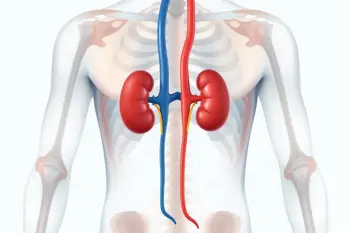
The kidneys are sophisticated, bean-shaped organs tasked with filtering approximately 200 quarts of blood daily to remove metabolic waste and manage fluid homeostasis 5. Beyond filtration, they regulate blood pressure, support red blood cell production, and maintain bone health through mineral balance 6. Because of this functional redundancy, it is possible for an individual to lose as much as 90% of their total kidney function without presenting overt clinical symptoms 7. Consequently, the condition often progresses silently over months or even years, allowing internal damage to accumulate without causing immediate physical discomfort 8.
Common Early Clinical Indicators
While early-stage CKD is often asymptomatic, clinicians identify several subtle indicators that may suggest reduced renal performance. These warning signs are frequently overlooked because they mirror common, less severe health complaints. The following table summarizes frequently observed indicators of potential renal distress:
| Indicator | Clinical Context |
|---|---|
| Edema | Persistent swelling in the feet, ankles, or hands due to fluid retention 9. |
| Urinary Changes | Increased frequency, especially at night, or foamy urine indicating protein leakage 10. |
| Fatigue | Low energy or weakness often associated with anemia from reduced erythropoietin production 11. |
| Dermatological Issues | Persistent itching or skin rashes caused by mineral imbalances 12. |
| Appetite Disturbances | Loss of appetite, nausea, or vomiting resulting from waste accumulation 13. |
Primary Risk Factors and Comorbidities
Understanding the risk profile for kidney disease is a critical component of preventative health management. The two most prominent drivers of chronic kidney disease are diabetes and high blood pressure, which collectively account for the vast majority of cases 14. Persistently high blood sugar levels damage the delicate micro-vasculature within the kidneys, while chronic hypertension places excessive physical strain on the renal filters 15. Individuals with a diagnosis of diabetes or hypertension face a significantly elevated risk profile, with roughly one in three diabetic adults and one in five adults with hypertension exhibiting signs of kidney disease 16.
Additional risk factors include a documented family history of kidney failure, cardiovascular disease, and being aged 60 or older 17. Furthermore, long-term exposure to certain medications, particularly specific non-steroidal anti-inflammatory drugs (NSAIDs), and the presence of autoimmune conditions or recurrent kidney stones, can necessitate more frequent clinical monitoring 18. Physicians often review these factors during routine checkups to determine the necessity of baseline renal function testing, especially for patients displaying signs of metabolic syndrome or other cardiovascular-kidney-metabolic (CKM) interdependencies 19.
The Diagnostic Gold Standard: eGFR and uACR
Since physical symptoms are unreliable for early detection, medical professionals rely on specific laboratory markers to assess renal health. The two cornerstone diagnostic tests are the estimated glomerular filtration rate (eGFR) and the urine albumin-to-creatinine ratio (uACR) 20. The eGFR is calculated using serum creatinine levels alongside demographic factors such as age and sex to provide a percentage estimate of how efficiently the kidneys are filtering waste products from the blood 21.
Because a single measurement can be impacted by hydration status, recent illness, or medication, doctors typically evaluate these metrics as a trend over time rather than as an isolated data point 22. The uACR test specifically measures the presence of albumin, a type of protein, in the urine. The leakage of protein into the urine often serves as an early indicator of kidney injury, sometimes appearing even when the eGFR remains within an expected range 23. Combining these two tests allows for a more comprehensive assessment of both renal function and structural integrity.
The Kidney-Heart Connection
Medical literature increasingly emphasizes the direct link between renal health and cardiovascular performance. Chronic kidney disease is often described as a hidden threat to heart health, with cardiologists stressing that the two systems are inherently interconnected 24. As of 2023, organizations like the American Heart Association have moved toward addressing this relationship under the umbrella of cardiovascular-kidney-metabolic syndrome 25. This shift recognizes that metabolic impairments, such as those caused by obesity and diabetes, simultaneously impact heart and kidney function, necessitating a holistic approach to patient monitoring 26.
Preventative Strategies and Maintenance
Although CKD is a serious health issue, its progression can often be mitigated through timely medical interventions and lifestyle modifications. Early detection allows for the management of underlying conditions, such as maintaining strict control over blood pressure and blood glucose levels 27. Patients identified as having early-stage disease are frequently advised to review their medication list with a physician to eliminate substances that may be nephrotoxic, such as certain antibiotics or over-the-counter pain relievers 28. Consistent monitoring, including annual blood workups for high-risk individuals, remains the primary method for maintaining renal health and preventing the transition to end-stage renal disease (ESKD) 29, 30.
Sources
- National Kidney Foundation: About Chronic Kidney Disease
- U.S. Centers for Disease Control and Prevention: Kidney Disease Statistics
- Stony Brook Medicine: Kidney Disease Early Signs and Stages
- Prevention.com: 7 Kidney Disease Symptoms
- Harvard Health: Chronic Kidney Disease and Heart Health
- University of Arkansas for Medical Sciences: Kidney Awareness
- National Institute of Diabetes and Digestive and Kidney Diseases: Statistics
- American Kidney Institute: Understanding Chronic Kidney Disease
- Mayo Clinic: Chronic Kidney Disease Symptoms
- Cleveland Clinic: Chronic Kidney Disease Overview
- Johns Hopkins Medicine: CKD Complications
- American Kidney Fund: Signs and Symptoms of CKD
- National Institute of Diabetes and Digestive and Kidney Diseases: Symptoms and Causes
- National Kidney Foundation of Michigan: Early Detection
- Southeast Kidney Associates: eGFR and uACR Testing
- National Kidney Foundation: Risk Factors for CKD
- UAMS News: Protecting Kidney Health
- NDTV Health: Early Kidney Damage Detection
- American Heart Association: CKM Syndrome Overview
- Southeast Kidney Associates: Diagnostic Importance
- Manipal Hospitals: Early Signs of Kidney Disease
- National Kidney Foundation: Laboratory Testing
- Healthline: Urinary Indicators of Kidney Decline
- Harvard Heart Letter: The Kidney-Heart Connection
- American Heart Association: Clinical Guidance 2023
- Journal of Cardiovascular-Kidney-Metabolic Health
- National Kidney Foundation of Michigan: Prevention Strategies
- Prevention.com: Medication Safety and Kidney Function
- CDC: CKD in the United States 2023 Report
- NIDDK: Management of End-Stage Renal Disease
Authored by 24Trendz team