Top natural tips for sustained energy: An objective analysis of metabolic and behavioral drivers
Persistent fatigue in modern life is often treated with short-term stimulants, yet research suggests that true vitality is rooted in the optimization of cellular function, circadian rhythms, and metabolic stability 5, 7. Many individuals experience afternoon slumps and daily exhaustion because their physiological systems are caught in a cycle of spikes and crashes driven by erratic eating, poor sleep quality, and chronic stress 8, 9. Understanding the biological mechanisms behind energy production allows for a transition toward more sustainable, long-term vitality 5.
Understanding the Biology of Energy Production
At the cellular level, energy is primarily produced by mitochondria, which synthesize adenosine triphosphate (ATP) to power nearly every physiological process 2. As individuals age, mitochondrial efficiency may decline, and muscle mass reduction can further limit the body's energy-producing capacity 2. Furthermore, internal systems are governed by the circadian rhythm, a 24-hour internal clock that dictates sleep-wake cycles and metabolic efficiency 9. When these internal rhythms are misaligned through late-night screen exposure or irregular wake times, the body struggles to maintain peak alertness, leading to the sensation of being drained despite adequate caloric intake 4, 9.
Fatigue is also heavily influenced by the accumulation of adenosine in the brain, a byproduct of cellular activity that creates pressure to sleep throughout the day 9. While common stimulants like caffeine function by blocking these adenosine receptors, they do not provide actual fuel at the cellular level 5. Relying on such stimulants can inadvertently stress mitochondria and deplete vital nutrients, eventually worsening baseline fatigue 5. Addressing energy at the source requires supporting these biological systems through consistent habits rather than masking symptoms with temporary chemical boosts 6.
The Role of Nutritional Strategy in Glucose Management
Dietary choices significantly impact the stability of energy throughout the day by influencing blood glucose levels 4, 5. High-sugar foods and refined carbohydrates trigger rapid blood glucose spikes followed by inevitable crashes, which the body interprets as an energy crisis, manifesting as irritability and mental fog 8. A more sustainable approach involves consuming nutrient-dense, high-fiber foods such as legumes, seeds, nuts, and cruciferous vegetables, which facilitate a slower, more consistent release of glucose into the bloodstream 3, 8.
Protein and healthy fats are critical components in this stabilization process, as they slow digestion and prevent the sharp insulin response associated with refined carbohydrates 4, 5. Additionally, micronutrients play a foundational role in energy metabolism, particularly magnesium, which is essential for ATP synthesis 8. By diversifying the diet to include magnesium-rich sources like leafy greens, the body is better equipped to manage the cellular work required to produce energy efficiently 8. Maintaining hydration is equally vital, as even mild dehydration contributes to cognitive sluggishness and physical exhaustion 4, 6.
Optimizing Circadian Rhythms for Consistent Alertness
The synchronization of the body with its natural environment is a critical determinant of energy availability 4. Morning exposure to natural sunlight is one of the most effective ways to set the internal clock, signaling the body to increase alertness and suppress melatonin production until the appropriate time in the evening 4. Conversely, exposure to blue light from tablets, phones, and computers in the hour preceding sleep can delay natural melatonin production, undermining the quality of rest that is essential for daytime recovery 4.
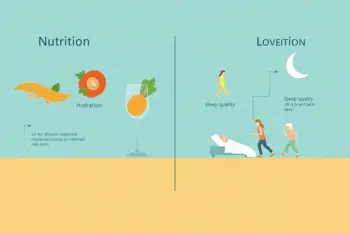
| Habit Category | Mechanism of Action |
|---|---|
| Light Exposure | Regulates circadian rhythm via light-sensitive cells in the retina. |
| Sleep Hygiene | Ensures restorative rest and manages sleep-wake homeostasis. |
| Dietary Timing | Prevents glycemic variability and post-meal energy dips. |
| Movement | Increases oxygen delivery and mitochondrial support. |
The Impact of Consistent Sleep Hygiene
Sleep is the foundation upon which daytime energy is built, yet many individuals sacrifice consistency for duration 4. Research indicates that maintaining a strict bedtime and wake time-even on weekends-aligns the hormones responsible for alertness and rest, providing a much higher quality of recovery than variable sleep schedules 4, 5. A cool, quiet, and dark environment, combined with a wind-down routine that eliminates digital stimulation 30 to 60 minutes before bed, is recommended to facilitate the transition into deep, restorative sleep 4.
When sleep quality is compromised, the body suffers from reduced cognitive performance and lower energy thresholds throughout the following day 8. Simply increasing the duration of sleep is often insufficient if the quality remains poor; therefore, experts emphasize that addressing the environmental and behavioral factors surrounding sleep should be the primary intervention for those experiencing persistent fatigue 4.
Physical Activity as an Energy Catalyst
Regular movement is a frequently overlooked component of sustainable energy management 6. Physical activity facilitates increased blood flow and oxygen delivery to the body, which aids in cellular health and mitochondrial support 8. Rather than requiring strenuous, long-duration exercise, short and consistent periods of movement throughout the day can prevent the lethargy associated with prolonged sedentary behavior 5, 8.
Cold exposure has also been identified in research as a method to trigger a measurable increase in norepinephrine and dopamine, neurotransmitters directly involved in mood and alertness 9. By incorporating brief, consistent bursts of movement or temperature changes, the body can adapt to improve its baseline metabolic rate, resulting in higher sustained energy levels without the need for pharmacological stimulants 4, 9.
Managing Stress and Cortisol for Long-Term Vitality
Chronic stress creates a constant demand on the body's resources, leading to the depletion of energy stores and the exhaustion of the sympathetic nervous system 3, 8. Techniques such as deep breathing and meditation are not merely methods for relaxation, but are tactical approaches to lower cortisol levels and minimize the energy-draining effects of mental fatigue 3, 8. When cortisol remains chronically elevated, the body is forced into a state of high alert that eventually leads to burnout and a persistent feeling of being sapped 3.
Integrating stress management into daily routines allows for the preservation of metabolic resources that would otherwise be wasted on prolonged stress responses 8. By acknowledging that energy is a limited resource influenced by both biological health and behavioral choices, individuals can create a sustainable framework for performance and well-being 6. This multi-faceted approach-combining proper nutrition, consistent sleep, physical activity, and stress regulation-represents the most evidence-based path to achieving and maintaining natural energy 6.
Sources
- Mayo Clinic Press: Natural ways to boost energy without caffeine
- Harvard Health: Ways to maximize your energy
- NPR: Kick your tiredness with these 7 natural energy boosters
- LiveWell Magazine: Natural approaches to boosting energy and vitality
- Synchronicity Health: How to Increase Energy Levels Naturally
- Healthful Vitality: 9 Evidence-Based Ways to Feel Energized All Day
- New Hampshire Public Radio: Kick your tiredness with these 7 natural energy boosters
- Natural Hub: Natural Ways to Boost Energy Without Crashes
- MindSouk: 12 Daily Habits That Actually Help Increase Energy
- Roon: Natural Ways to Get Energy Without Caffeine
Authored by 24Trendz team