Overnight clinical trials in the United States: Comprehensive guide to sleep studies, recruitment, and regulatory oversight
Overnight clinical trials represent a specialized category of research conducted across the United States that requires participants to stay at clinical research sites during designated sleep periods. These studies range from neurostimulation investigations targeting epilepsy to pharmaceutical evaluations addressing sleep apnea, insomnia, and circadian disruption. Understanding the structure, regulatory framework, and logistics of overnight trials helps prospective participants make informed decisions about involvement in sleep-related research.
Types of Overnight Clinical Trials Currently Recruiting in the United States
The landscape of overnight clinical trials in the United States encompasses diverse therapeutic areas and intervention modalities. Duke University is recruiting for a temporal interference stimulation study (NCT07434986) aimed at adults with drug-resistant temporal lobe epilepsy, in which participants stay in-lab for six days for overnight sleep and EEG monitoring 1. This study includes one night of monitoring without stimulation, several nights receiving non-invasive temporal interference stimulation targeting the bilateral hippocampi during sleep, and another night of monitoring after stimulation ends 1.
Sleep-related device and pharmacological trials also feature overnight stays. The Janus II Feasibility trial (NCT06556693) evaluates the remede Dual Channel System for severe sleep disordered breathing and includes overnight sleep studies at three recruiting sites across Arizona, Michigan, and Ohio 2. The Clinical Trial of the Cryosa System for Obstructive Sleep Apnea (NCT not specified in abstract but recruiting at 8 sites across 8 states) is actively enrolling participants aged 22 to 70 with moderate-to-severe obstructive sleep apnea 3. Additionally, a University of California, San Francisco study (NCT07220525) examining disrupted sleep and cardiac ectopy involves randomized overnight protocols where participants with hypoglossal nerve stimulation devices undergo controlled overnight periods with device on-and-off sequences over 14 days 4.
Sleep Deprivation and Physiological Response Studies
A subset of overnight clinical trials focus on the acute effects of sleep manipulation on cognitive, metabolic, and cardiovascular outcomes. The Onnit Alpha Brain study (NCT07495592) by the Applied Science and Performance Institute is a randomized, double-blind, placebo-controlled crossover trial evaluating the efficacy of Alpha Brain and Alpha Brain 2.0 on cognitive performance and mood states during a period of acute sleep deprivation 5. Participants undergo controlled sleep deprivation with standardized cognitive testing and mood assessments following sleep restriction.
The Night Owl Sleep Study (NCT07243574) takes a different physiological approach, recruiting participants aged 20 to 40 across Miami, Boston, and Garden City to assess differences in fecal microbiota and metabolome associated with insufficient versus sufficient sleep 6. Participants are assigned to one of two cohorts: insufficient sleepers who increase time in bed by 1.5 hours per night, or sufficient sleepers who decrease time in bed by 1.5 hours per night, with the intervention lasting 14 days 6. This study illustrates how overnight research extends beyond traditional sleep medicine into microbiome and metabolic science.
Regulatory Framework and Informed Consent Requirements
In the United States, overnight clinical trials are regulated under FDA rules including 21 CFR Parts 50, 54, and 56, which govern informed consent, institutional review board (IRB) review, and investigator standards and human subjects protections 7. All overnight studies must undergo comprehensive IRB review and approval before recruitment begins. The IRB process requires that study procedures, including overnight accommodation, supervision, and monitoring protocols, be clearly described in the protocol and informed consent materials 8.
Informed consent documentation for overnight trials must detail the nature of the overnight stay, the specific monitoring procedures that will occur during sleep, potential risks and discomforts, compensation details, and the participant's right to withdraw at any time without penalty 7. This regulatory requirement ensures that participants have a complete understanding of what overnight participation entails before enrollment. For studies involving vulnerable populations or additional risk factors, FDA regulations set out heightened requirements for informed consent and protections 9.
Study Procedures and Overnight Monitoring Logistics
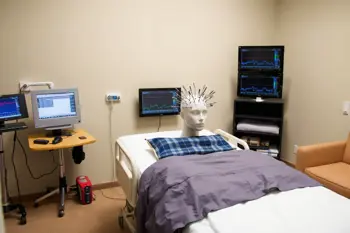
Overnight clinical trials in the United States commonly employ standardized monitoring procedures during sleep to ensure participant safety and collect study data. Participants typically arrive at the research facility in the late afternoon or early evening, undergo check-in procedures, and then proceed to monitored sleep accommodations. Safety monitoring during sleep generally includes vital signs assessment, electroencephalography (EEG) or polysomnography recording, continuous pulse oximetry, and adverse event surveillance 10. Study staff remain available 24 hours during overnight stays to address emergencies and ensure protocol compliance.
The study sites offering overnight participation describe onsite accommodations with defined check-in and check-out procedures and 24-hour staff availability for safety and protocol adherence 11. Examples include the PIONEER-ALS study at UCSD (NCT07287397), where participants receive a single injection of study drug and are required to stay overnight after dosing for at least one night, with further monitoring visits scheduled over a 5-year observation period 12. Overnight studies also typically have defined discontinuation criteria, meaning that if a participant experiences certain adverse events or protocol violations, the overnight portion may be terminated early.
How to Find and Access Overnight Clinical Trials
ClinicalTrials.gov is the primary U.S. federal registry for locating overnight clinical trials and includes study start/completion dates and other protocol details for both interventional and observational studies 13. The registry allows users to search by condition, location, phase, and recruitment status. Many sleep and overnight pharmacology studies recruit via centralized trial listings and sponsor-operated recruitment websites that specify overnight stay logistics in the study description or eligibility details 14. Private research organizations such as Flourish Research, Paid Trials, and specialized centers like the BWH Asthma Research Center maintain databases of currently enrolling overnight studies and facilitate participant screening and enrollment.
When searching for overnight trials, prospective participants should review the study protocol summary, eligibility criteria, compensation information, and contact details for the research site. Many sites require an initial screening visit or phone interview to assess eligibility before inviting the participant to the overnight stay. The Healthy Volunteers study at Dr. Vince Clinical Research in Overland Park, Kansas, for example, requires one screening visit, one 7-night stay, and two outpatient visits, with compensation up to $6,000 15. Participants should ask about parking, meals, and other logistical details before committing to participation.
Eligibility Criteria, Exclusion Factors, and Health Screening
Overnight clinical trials establish specific eligibility criteria to ensure participant safety and data quality. Common inclusion criteria include age range (often 18 to 65 or 70), stable health status, and absence of active medical or psychiatric conditions that would interfere with overnight monitoring. Many sleep studies require participants to be in generally good physical and mental health as established by medical history and screening laboratory tests. The Night Owl Sleep Study, for instance, recruits men between 20 and 50 years of age and pre-menopausal women between 20 and 45, with BMI between 18.5 and 35 kg/m2, and willingness to maintain consistent daily schedules and record sleep patterns 6.
Exclusion criteria for overnight trials often include uncontrolled hypertension, cardiovascular instability, untreated sleep disorders (in studies not specifically treating those disorders), active substance use, severe psychiatric illness, and pregnancy or plans to become pregnant. Some studies exclude participants currently taking medications that affect sleep or cardiac function without approval from study physicians. The Janus II trial, for example, excludes individuals with a history of severe chronic obstructive pulmonary disease, prior cervical surgeries, pacemaker dependence, or known pregnancy 2. Screening procedures typically include a physical examination, routine safety laboratory assessments, and sleep disorder evaluation via unattended polysomnography or other validated measures.
Risks, Discomforts, and Important Considerations for Overnight Participation
Overnight clinical trial participation carries specific risks and discomforts that prospective participants should carefully consider. Sleep disruption itself may occur due to being in an unfamiliar environment, discomfort from monitoring equipment (such as EEG electrodes, nasal prongs for airflow measurement, or chest bands), or the presence of study staff during sleep. Some participants experience anxiety or claustrophobia in the overnight setting. Specific study interventions carry additional risks: temporal interference brain stimulation may cause scalp tingling or discomfort; pharmacological agents carry drug-specific side effects; and device implantation or adjustment may cause pain, infection, or device malfunction.
Long-term commitments represent another consideration, as some overnight studies require multiple overnight stays or extended follow-up visits over months or years. Participants with work schedules that cannot accommodate overnight absences, caregiving responsibilities, or significant travel distances to the research site may find overnight trials logistically challenging. Additionally, overnight research sites are typically located in urban medical centers or research institutions, which may not be accessible to all populations. Prospective participants should review the informed consent document thoroughly, ask questions about risks and monitoring procedures, and consider whether the time commitment and potential discomforts align with their circumstances before enrolling.
Sources
- ICH GCP Clinical Trials Registry - Overnight TI in TLE (NCT07434986)
- Paid Trials - Janus II Feasibility Study (NCT06556693)
- Paid Trials - Clinical Trial of the Cryosa System for Obstructive Sleep Apnea
- UCSF Clinical Trials - Disrupted Sleep and Concurrent Ectopy or Atrial Fibrillation (NCT07220525)
- ICH GCP Clinical Trials Registry - The Acute Effects of Onnit Alpha Brain on Cognition and Mood States (NCT07495592)
- ICH GCP Clinical Trials Registry - Night Owl Sleep Study: The Effect of Sleep on Fecal Microbiota (NCT07243574)
- U.S. Food and Drug Administration - 21 CFR Part 50: Protection of Human Subjects
- U.S. Food and Drug Administration - 21 CFR Part 56: Institutional Review Boards
- U.S. Food and Drug Administration - 21 CFR Part 54: Financial Disclosure by Clinical Investigators
- FDA Guidance - Human Subject Protection and Regulatory Oversight of Clinical Investigations
- Flourish Research - Overnight Studies and Clinical Trials
- UCSD Clinical Trials - PIONEER-ALS Study (NCT07287397)
- ClinicalTrials.gov - NIH National Library of Medicine Registry
- ClinicalTrials.gov - How to Find and Study a Clinical Trial
- Dr. Vince Clinical Research - Healthy Volunteers Study
Authored by 24Trendz team