Ways to manage everyday nerve discomfort: Clinical insights on therapeutic approaches and lifestyle adjustments
Nerve discomfort often presents as burning, tingling, numbness, or shooting pain, stemming from complex issues involving nerve signal processing or physical compression 3. Unlike standard tissue-based soreness, this type of sensation is often attributed to neuropathic factors, where nerves function as the primary source of the pain rather than merely the messenger 10. Addressing these sensations requires a comprehensive understanding of the underlying causes, as conventional anti-inflammatory painkillers are frequently ineffective for symptoms arising from faulty nerve signaling 3, 10.
Understanding Nerve Discomfort and Compression
A pinched nerve, technically categorized by clinicians as nerve entrapment or radiculopathy, occurs when surrounding tissues such as bones, muscles, or tendons exert pressure on a nerve 1. This disruption of normal function often leads to weakness or radiating discomfort in areas like the neck, lower back, and wrists 1. When nerves are compressed or damaged, the resulting sensations are often described as electric shocks, stabbing, or pins and needles 3, 7. Because nerve pain can stem from diverse origins including diabetes, shingles, or autoimmune conditions, identifying the precise source is the first step in clinical management 3, 5.
The nervous system maintains a complex communication network that can remain in a state of heightened sensitivity if internal or external stressors are not managed effectively 5, 8. When this system becomes dysregulated, the parasympathetic and sympathetic branches fail to balance, potentially exacerbating the perception of discomfort 8. Recognizing the difference between localized entrapment and systemic neuropathic pain is essential for patients, as clinical evaluation helps distinguish between structural issues and nerve signal misfires that may require different therapeutic interventions 1, 7.
Pharmacological and Topical Intervention Strategies
Clinical research has identified several medication classes that are effective at modulating the nerve signals responsible for chronic neuropathic pain 4. Anticonvulsants, such as gabapentin and pregabalin, are frequently cited as primary treatments due to their ability to stabilize nerve excitability 4, 10. Similarly, serotonin-norepinephrine reuptake inhibitors (SNRIs), like duloxetine, are utilized to alter the processing of pain signals within the brain 4, 10. Tricyclic antidepressants, including amitriptyline, also remain a staple in formal pain management protocols 4, 10.
For localized relief, topical applications are often considered to minimize the systemic impact of oral medications 10. Capsaicin-based creams and patches work by desensitizing nerve endings, which can be particularly useful for peripheral neuropathic conditions 4, 6, 10. Lidocaine patches are another localized option often utilized to dampen sensory input in affected regions 4, 10. However, medical experts emphasize that these topical treatments often serve as secondary or adjunctive therapies rather than primary solutions for deep-seated nerve damage 4. The efficacy of these products is dependent on proper application and should be managed under the guidance of a physician 6.
| Category | Treatment Type | Common Usage |
|---|---|---|
| Oral Medication | Anticonvulsants (Gabapentin/Pregabalin) | General neuropathic pain, shingles-related pain |
| Oral Medication | SNRIs (Duloxetine) | Diabetic nerve pain, general neuropathy |
| Topical | Capsaicin cream/patch | Localized peripheral pain desensitization |
| Topical | Lidocaine patch | Localized, surface-level nerve sensitivity |
Ergonomics and Postural Management
Changes in daily physical positioning can significantly reduce nerve irritation, especially for individuals who spend extended periods working at a desk 2. Maintaining proper posture involves aligning the ears with the shoulders to avoid forward-head strain, which can compress nerves in the cervical spine 2. Ergonomic adjustments, such as positioning the keyboard at elbow level and utilizing supportive cushions for the lower back, serve as simple but effective methods to minimize ongoing nerve entrapment risks 2. Avoiding habits like crossing legs for long durations also helps prevent localized nerve pressure that can lead to numbness or tingling 2.
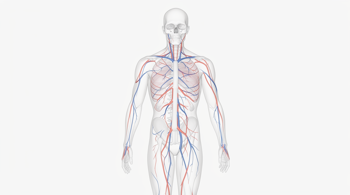
Professional assessments often highlight that standard movement patterns can perpetuate nerve discomfort if they lead to repetitive strain 2. Incorporating regular breaks and utilizing ergonomic peripherals can shift the burden off specific nerve pathways 2. For those experiencing nerve issues linked to repetitive motion, modifying the workspace is not merely a preference but a functional requirement to prevent further irritation 2. These physical changes are designed to support the body’s musculoskeletal structure, allowing the nervous system to avoid unnecessary signal interference 5.
Non-Pharmacological and Physical Approaches
Non-invasive therapies play a significant role in managing nerve-related symptoms without relying solely on medications 5, 10. Transcutaneous Electrical Nerve Stimulation (TENS) is a common non-pharmacological approach that uses mild electrical currents to interfere with the transmission of pain signals to the brain 10. Physical therapy programs are equally important, as they focus on customized exercises that strengthen supporting muscles and improve circulation in the affected limbs 10. These interventions are highly valued for their ability to restore function while minimizing the side effects associated with pharmaceutical use 5.
Mind-body techniques, including cognitive behavioral therapy and mindfulness, are also employed to manage the psychological aspects of chronic discomfort 5, 10. By regulating the nervous system through deep breathing and focused awareness, patients can potentially reduce the heightened stress response that exacerbates pain perception 8. The goal of these holistic strategies is to provide long-term support for the body’s innate recovery processes, rather than just masking the symptoms through temporary means 5.
Dietary and Systemic Management
For individuals with conditions like diabetic neuropathy, maintaining stable blood glucose levels is a fundamental requirement to prevent further neurological degradation 10. Dietary choices often impact systemic inflammation levels, which may directly influence nerve health 10. Furthermore, nutritional deficiencies, particularly regarding B-vitamins like B1, B6, and B12, have been linked to nerve damage, and addressing these imbalances is a common clinical consideration 10. Lifestyle habits such as avoiding tobacco products are also strictly advised, as nicotine is known to restrict blood flow, thereby limiting the oxygen delivery required for nerve repair 10.
Professional guidance is essential when integrating these adjustments, as systemic health issues often require a tailored approach that integrates medication, diet, and physical activity 3, 10. Consistent monitoring, such as routine foot care for those with peripheral neuropathy, helps identify and prevent complications from minor injuries that may otherwise go unnoticed due to numbness 10. By combining these daily habits with appropriate medical oversight, individuals can create a more sustainable framework for living with nerve-related sensitivities 5.
Sources
- Harvard Health Publishing: Got a pinched nerve? Strategies and treatments for pain relief
- Swati Prakash: 3 Simple Tips To Reduce Nerve Pain Without Excessive Medication
- Brecken Bunbury: How to Manage Nerve Pain - Treatments & Relief Tips
- Harvard Health Publishing: Analysis highlights best treatments for neuropathic pain
- Wholistic Healing Experiences: Nerve Pain Management Without Drugs
- Mayo Clinic: Capsaicin (topical route) - Side effects & dosage
- New Jersey Pain Therapy: What Nerve Pain Feels Like and Common Symptoms
- University of Maryland Medical System: Self-Soothing: How to Regulate Your Nervous System
- MS Trust: Nerve pain in multiple sclerosis
- Clinical Research Data Compilation: Evidence-based Neuropathic Pain Management and Holistic Support
Authored by 24Trendz team