Easy home remedies for daily body fatigue: An evidence-based daily guide
Easy home remedies for daily body fatigue often begin with practical changes to sleep, hydration, food, movement, and stress management. Fatigue is more than ordinary tiredness when it persists or interferes with everyday activities, so home measures should be viewed as supportive habits rather than a substitute for identifying an underlying cause.
Distinguishing daily fatigue from ordinary tiredness
Ordinary tiredness may improve after sleep, while fatigue can feel deeper and interfere with work, concentration, exercise, or routine tasks. MedlinePlus identifies insufficient sleep, poor diet, dehydration, stress, and too little or too much physical activity as possible contributors, while also noting that fatigue can signal an underlying medical condition. Tracking when fatigue appears, how long it lasts, and whether it follows meals, exertion, or poor sleep can provide useful information.
Several conditions can produce similar symptoms. Cleveland Clinic lists dehydration, sleep problems, anemia, thyroid disorders, infections, mental health conditions, and medication effects among possible causes. This overlap means that a home remedy may help one pattern but not another. Persistent fatigue should not automatically be attributed to a busy schedule, particularly when rest, adequate food, and regular fluids do not improve the situation.
Sleep habits that support daytime energy
Most adults generally need at least seven hours of sleep each night, according to the Centers for Disease Control and Prevention. A consistent sleep and wake schedule can support healthier sleep patterns, including on days off. Practical sleep hygiene measures described by Baylor College of Medicine include going to bed earlier, avoiding phone use before bedtime, and keeping the bedroom cool and dark. These steps address common environmental barriers without requiring a complex routine.
Sleepiness severe enough to cause unintended daytime sleep or falling asleep during ordinary activities may indicate a sleep disorder such as sleep apnea. Baylor College of Medicine notes that sleep apnea can occur even without obesity or prominent snoring. Morning outdoor light and regular daytime activity are also included in routine-based approaches to maintaining a clearer daily rhythm. If improved sleep habits do not improve fatigue, further evaluation may be appropriate rather than continually extending time in bed.
Fluids and balanced meals
Regular fluid intake can help address fatigue related to dehydration, especially during heat, exercise, vomiting, or diarrhea. Johns Hopkins Medicine identifies fatigue as a possible sign of dehydration and emphasizes replacing fluids lost during these situations. Thirst is not the only measure of hydration status, so drinking regularly through the day may be more practical than waiting until pronounced thirst develops. Fluid needs can vary according to activity, climate, illness, and individual medical circumstances.
Balanced meals may provide steadier energy than meals dominated by sugar or refined carbohydrates. Iowa State University Extension recommends combining protein, fiber, healthy fats, and whole grains, while USDA MyPlate organizes general meal planning around fruits, vegetables, grains, protein foods, and dairy or fortified alternatives. Low-effort options such as yogurt with fruit, a sandwich with vegetables, soup, or a prepared grain-and-protein combination can reduce the likelihood of skipping meals when fatigue makes cooking difficult.
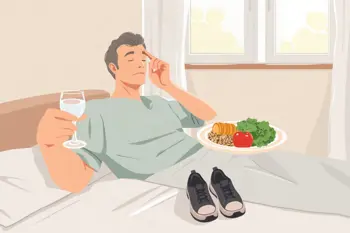
Gentle movement and manageable activity
A short, easy walk can increase blood flow and improve alertness during an afternoon energy slump, according to Iowa State University Extension. Gentle stretching, brief walks, and movement breaks may be more realistic than a demanding workout on a low-energy day. The American Heart Association recommends at least 150 minutes of moderate-intensity aerobic activity per week for adults, with activity divided into manageable periods when needed. Building gradually can help avoid worsening fatigue after exertion.
Too little activity and too much activity can both contribute to fatigue, so the appropriate level depends on symptoms, health status, and recovery. A practical pattern can include a brief walk after a meal, light stretching after sitting, or several short movement periods across the day. New or worsening fatigue after minimal exertion, unexplained weakness, dizziness, or exercise intolerance should be discussed with a healthcare professional instead of treated solely by increasing activity.
Relaxation and caffeine timing
Stress can contribute to physical and mental exhaustion, particularly when it disrupts sleep or leaves a person feeling tense. The National Center for Complementary and Integrative Health reports that relaxation techniques such as deep breathing and progressive muscle relaxation can help counter stress-related physical responses. A short period of slow breathing, quiet meditation, or systematic muscle release may be used during the day or before bedtime. These practices support relaxation but do not diagnose or treat a medical disorder.
Caffeine can temporarily increase alertness, but excessive intake may cause sleep problems that contribute to next-day fatigue. The Food and Drug Administration advises considering caffeine from all sources, including coffee, tea, energy drinks, chocolate, and some medicines. Limiting caffeine later in the day may reduce sleep disruption. People who use substantial caffeine regularly may need to reduce it gradually to avoid withdrawal symptoms, and caffeine should not replace sleep, meals, or appropriate medical care.
When home measures are not enough
Iron deficiency anemia can cause weakness, tiredness, and low energy, according to the NIH Office of Dietary Supplements. However, routine iron supplementation is not appropriate for everyone and should not be started without suitable guidance. Thyroid problems, diabetes or prediabetes, sleep disorders, depression, infections, medication effects, and other conditions may require examination or blood testing. Fatigue after a large carbohydrate-heavy meal, for example, may prompt a clinician to consider blood sugar issues.
Medical assessment is especially important when fatigue is severe, unexplained, worsening, or not improving with adequate sleep, balanced nutrition, reduced stress, and regular fluids. Mayo Clinic identifies chest pain, shortness of breath, fainting, confusion, and unusual bleeding as warning symptoms requiring prompt attention. Home strategies can support daily wellbeing, but they should not delay care when symptoms suggest anemia, sleep apnea, metabolic disease, significant dehydration, or another potentially treatable condition.
Sources
- MedlinePlus, Fatigue: https://medlineplus.gov/fatigue.html
- NHS, Tiredness and fatigue: https://www.nhs.uk/conditions/tiredness-and-fatigue/
- Mayo Clinic, When to see a doctor about fatigue: https://www.mayoclinic.org/symptoms/fatigue/basics/when-to-see-doctor/sym-20050793
- Centers for Disease Control and Prevention, How Much Sleep Do I Need?: https://www.cdc.gov/sleep/about_sleep/how_much_sleep.html
- American Heart Association, Recommendations for Physical Activity in Adults: https://www.heart.org/en/healthy-living/fitness/fitness-basics/aha-recs-for-physical-activity-in-adults
- U.S. Food and Drug Administration, Spilling the Beans: How Much Caffeine Is Too Much?: https://www.fda.gov/consumers/consumer-updates/spilling-beans-how-much-caffeine-too-much
- National Center for Complementary and Integrative Health, Relaxation Techniques: https://www.nccih.nih.gov/health/relaxation-techniques-what-you-need-to-know
- NIH Office of Dietary Supplements, Iron: https://ods.od.nih.gov/factsheets/Iron-Consumer/
- U.S. Department of Agriculture MyPlate: https://www.myplate.gov/eat-healthy/what-is-myplate
- Cleveland Clinic, Fatigue: https://my.clevelandclinic.org/health/symptoms/17720-fatigue
- Johns Hopkins Medicine, Dehydration: https://www.hopkinsmedicine.org/health/wellness-and-prevention/what-is-dehydration
- Baylor College of Medicine, Feeling fatigued?: https://www.bcm.edu/news/feeling-fatigued-how-to-pinpoint-the-cause-and-feel-more-energized
Authored by 24Trendz team