7-day Caribbean cruise experience: A Comprehensive Analysis of Modern Maritime Travel
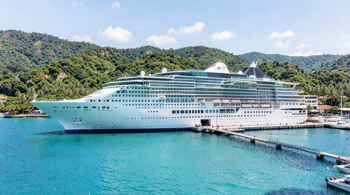
A 7-day Caribbean cruise represents a unique form of travel that combines the logistics of a floating hotel with the ability to traverse multiple international jurisdictions without the need to repeatedly pack and unpack 5, 7. Recent evaluations of these week-long voyages indicate that the value proposition often stems from the consolidation of transportation, lodging, and dining into a single itinerary, which can be significantly more cost-effective than arranging individual regional flights and hotel stays 1, 6. As travelers evaluate these journeys, understanding the distinction between large-scale family vessels and boutique, yacht-style ships is essential for managing expectations regarding onboard atmosphere and service density 2, 4, 8.
Operational Logistics and Embarkation Processes
The embarkation process serves as the initial touchpoint for the cruise experience, with efficiency varying by port infrastructure and ship size. At hubs like Port Canaveral, travelers often encounter streamlined check-in procedures, though major terminals can experience traffic congestion during peak arrival windows 2, 7. Industry data suggests that arriving in the departure city at least one day prior to embarkation is a common risk-mitigation strategy to avoid delays caused by air travel disruptions, which can otherwise compromise the commencement of the vacation 8.
Once onboard, the transition into the routine of the ship involves security orientations and exploring the vessel's layout. Modern cruise ships are frequently divided into thematic neighborhoods or zones to manage passenger flow and reduce the perception of overcrowding, even on vessels carrying several thousand guests 6, 8. Documentation requirements remain a critical component of trip preparation, as U.S. citizens generally require a passport or other Western Hemisphere Travel Initiative-approved documents to navigate the various international ports included in Caribbean routes 11, 13.
Diverse Itinerary Structures
Caribbean itineraries are broadly categorized into Eastern and Western routes, each offering distinct coastal environments and cultural experiences. Eastern routes frequently highlight destinations such as St. Thomas, St. Maarten, and Puerto Rico, focusing on island history and scenic landscapes 12. In contrast, Western itineraries often prioritize water-based activities and adventure, frequently including calls at Cozumel, Roatán, and Grand Cayman 2. Many major cruise lines also utilize private islands, such as CocoCay in the Bahamas, to provide a consistent, high-utility beach experience tailored specifically for their passengers 2, 10.
The scheduling of these trips typically balances time in port with sea days, which are intended for utilizing the ship's amenities, such as spas, pools, and performance venues 5, 13. Travelers should be aware that itineraries remain subject to change due to factors such as weather conditions, particularly during the official Atlantic hurricane season, which spans from June 1 through November 30 10, 11.
Vessel Styles and Onboard Atmosphere
The character of a 7-day cruise is heavily influenced by the ship's specific service model. Larger vessels cater to diverse demographics, offering expansive water parks, multiple dining venues, and high-energy entertainment suitable for families 2, 8. Conversely, adult-only or boutique lines prioritize an intimate atmosphere with a lower crew-to-guest ratio, often eschewing grand displays in favor of specialized dining experiences and quiet relaxation zones 1, 4, 6.
| Ship Style | Primary Focus | Common Features |
|---|---|---|
| Large/Family-Oriented | Variety and activity | Water parks, large-scale shows, kids' clubs |
| Boutique/Adult-Only | Personalization and relaxation | Specialized dining, lounge spaces, intimate entertainment |
| Budget-Focused | Essential travel | Standard buffet dining, basic cabin options |
Dining and Supplemental Costs
While base fares typically cover standard accommodations, primary dining, and core entertainment, travelers should budget for supplemental expenses. Specialty dining, premium beverage packages, high-speed internet, and spa treatments are standard add-ons across the industry 13. Some travelers report that costs for alcoholic beverages can escalate quickly, necessitating careful planning or the pre-purchase of drink packages to manage total trip expenditures 1.
Dining quality varies significantly by line, with some modern vessels transitioning away from traditional assigned seating toward more flexible, restaurant-style service models 1, 6. Passengers seeking a highly social or traditional dining experience may find the shift toward decentralized, smaller venues on some newer ships to be a notable change from historical cruise standards 6.
Shore Excursion Planning
Shore excursions provide the primary means for engaging with local Caribbean cultures and environments. Options range from guided historical tours and organized beach trips to more adventurous pursuits like snorkeling and zip-lining 10, 12, 13. Independent exploration is a viable alternative for many travelers, allowing for greater autonomy and the ability to set a personal pace, though it requires proactive coordination regarding local transport and return-to-ship deadlines 9.
Environmental responsibility is an increasingly critical aspect of port visits. Authorities and cruise lines emphasize the use of reef-safe practices during water activities to preserve delicate marine ecosystems, particularly in national parks and protected coastal zones 12, 15.
Medical and Health Considerations
Cruise ships are equipped with onboard medical facilities designed to address basic health concerns; however, they are not designed to manage severe or chronic conditions that require intensive care 12. Travelers with specific medical needs are advised to verify the ship's onboard capabilities and ensure they carry sufficient travel insurance coverage before departure 13. Adhering to public health guidance provided by national health authorities and cruise operators remains standard procedure for ensuring the safety of passengers during the voyage 12.
Sources
- Passport Nomads - Virgin Voyages Caribbean Review (2026)
- Travels with Kenzie - Star of the Seas Western Caribbean Itinerary
- The Inspired Travelers - A Week on the Celebrity Beyond
- Jet Set Petersons - Windstar Cruises Star Pride Review
- MinneCravings - Carnival Mardi Gras Caribbean Cruise
- The Daily Adventures of Me - 7-Night Southern Caribbean Virgin Voyage
- meganywhere - Full Review: 7-Day NCL Epic Caribbean Cruise
- Our Next Family Adventure - Symphony of the Seas Review
- B17 News - Budget Caribbean Cruise Review
- Business Insider - Royal Caribbean Star of the Seas Trip
- National Hurricane Center - Atlantic Hurricane Season Climatology
- Caribbean Tourism Organization - Regional Destination Information
- Centers for Disease Control and Prevention - Health Guidance for Cruise Travel
- U.S. Customs and Border Protection - Western Hemisphere Travel Initiative
- National Park Service - Protecting Caribbean Coral Reefs
Authored by 24Trendz team