Home recovery for liposuction: A Comprehensive Guide to Post-Surgical Healing and Environment Preparation
Establishing a Safe Home Recovery Sanctuary
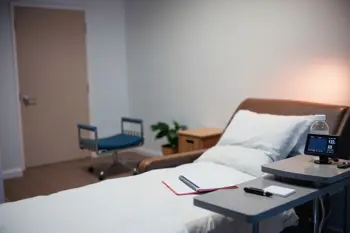
Successful home recovery for liposuction begins long before the surgery date. Creating a dedicated recovery zone is essential for minimizing physical exertion during the initial days of healing 1. The objective is to design a space where essential items, such as medications, hydration stations, and communication tools, remain within easy reach to prevent unnecessary movement 1. Experts recommend placing a recliner or an adjustable bed in a central location, as keeping the upper body slightly elevated can help manage discomfort and facilitate rest 3. Utilizing non-slip surfaces and clearing direct, unobstructed paths to essential rooms like the bathroom and kitchen are critical measures to ensure safety and preserve energy levels throughout the first week 1.
Essential Supplies and Organizational Strategies
A well-prepared recovery kit significantly improves the patient experience by consolidating necessary medical and comfort supplies. Having two sets of medical-grade compression garments is standard practice, allowing one to be worn while the other is being laundered 3. A organized wound care pouch containing sterile gauze, medical tape, antiseptic wipes, and prescribed creams should be readily available for dressing changes 3. Beyond medical necessities, organizing items in labeled bins can prevent the need to search for supplies, thereby reducing stress and maintaining a sanitary environment during the critical early stages of healing 1.
Understanding the First-Week Recovery Arc
The first seven days post-liposuction are characterized by specific physical sensations, including swelling, mild bruising, and a tightness in the treated areas 2. It is important to note that swelling often peaks between days three and five rather than immediately after the procedure 9. Managing pain through a strict, surgeon-approved medication schedule is vital, as patients are often advised to avoid aspirin and other non-steroidal anti-inflammatory drugs (NSAIDs) during the initial period to mitigate the risk of post-operative bleeding 2, 8. Keeping a symptom log and capturing regular photographs of the incision sites can help patients track their healing progress and provide clear information during follow-up assessments 10.
Activity Milestones and Movement Protocols
While rest is the primary focus of early recovery, total inactivity must be balanced with gentle movement to mitigate health risks. Patients are generally encouraged to initiate short, frequent walks of five to ten minutes every few hours starting within the first 24 hours post-surgery 6. This practice is crucial for promoting circulation and preventing deep vein thrombosis (DVT) 6, 7. However, strenuous exercise, heavy lifting, and intense physical activity are typically restricted for at least four to six weeks to prevent complications such as hematomas or fluid accumulation in the treated areas 5, 9.
Compression and Long-Term Tissue Support
Compression garments are not merely optional accessories; they are an integral component of the surgical result, sometimes accounting for up to 40% of the final aesthetic outcome 6. These garments provide necessary support to tissues, assist in skin retraction, and help control the internal swelling that naturally follows the removal of fat 5, 7. Patients are typically expected to wear these garments for 23 hours a day during the first few weeks, eventually transitioning to shorter durations as directed by their surgeon 6. Failure to adhere to compression protocols can increase the risk of seroma formation and contour irregularities 9.
Managing Expectations and Identifying Risks
The path to final results is gradual, often spanning three to six months as residual swelling resolves and tissues settle 4, 9. It is common for patients to experience frustration when early contours do not match their expectations, but understanding that this is a standard physiological response to trauma can help reduce anxiety 4. Furthermore, patients must remain vigilant for signs of complication, such as fever, significantly increasing pain, shortness of breath, or sudden, one-sided leg swelling, all of which necessitate immediate medical consultation 7. Maintaining a low-sodium diet and optimal hydration levels remain essential throughout the first 30 days to aid in the reduction of systemic edema 6, 7.
Sources
- Infiniskin: Home Recovery Setup After Liposuction
- Stephanie Farber MD: Guide to Liposuction Recovery
- Philadelphia Liposuction Specialty Clinic: Recovery Kit Shopping List
- Lipo.com: Week-by-Week Recovery Timeline
- Cleveland Clinic: Liposuction Overview
- Beshapy: 30-Day Post-Lipo Care Checklist
- Acibadem International: Classic Liposuction Recovery
- Mount Sinai: Liposuction Surgery Information
- Verywell Health: Liposuction Recovery Timeline
- MedlinePlus: Post-Operative Follow-Up Procedures
Authored by 24Trendz team