Inpatient Clinical Trials With High Pay: Compensation Ranges, Study Types, and What to Expect
Inpatient clinical trials represent a significant research opportunity for healthy adults and individuals with specific medical conditions seeking to participate in early-stage drug development while earning compensation for their time and effort. Unlike outpatient studies that require periodic clinic visits, inpatient trials demand extended stays at research facilities, typically ranging from overnight visits to several weeks of continuous monitoring. The compensation structure for these trials reflects the substantial time commitment, medical monitoring requirements, and inconvenience associated with residing at a clinical research center. Understanding how these trials work, what compensation actually covers, and which study types tend to offer higher payments requires examining real enrolling opportunities and the mechanisms that determine payment levels.
Understanding Inpatient Trial Compensation Structure
Compensation in inpatient clinical trials is structured as a stipend for time, travel, and inconvenience, not as payment for taking experimental drugs. Ethical review boards deliberately separate compensation from risk assessment to ensure that financial incentives do not pressure participants into decisions they would otherwise decline. The Kinase Study at Nucleus Network, currently recruiting in Minneapolis, illustrates this structure: participants receive up to 1 $10,981 for a 21-night, 22-day inpatient stay plus screening and follow-up visits. Similarly, a QPS Missouri study offers up to 2 $18,200 for a 28-day inpatient stay, representing the longest single-stay commitment in the current recruitment landscape. The Refine Study at Nucleus Network provides 3 $400-$600 per day in consideration of time and effort, offering a per-diem structure that allows participants to understand daily compensation rates. A Fortrea Clinical Trials study in Daytona Beach compensates 4 up to $12,041, $12,615, or $13,189 depending on the cohort, with an inpatient stay of just 2 overnights plus 9 to 11 follow-up visits, demonstrating how study design complexity and outpatient visit burden affect total compensation.
The compensation breakdown for individual study components reveals how research centers account for different types of participation. A Clinilabs opioid use disorder study breaks down 5 compensation as follows: $200 for screening visits, $200 for baseline visits, up to $2,700 for inpatient stay, $600 for outpatient visits, $750 completion bonus, $50 for follow-up phone calls, and up to $100 travel reimbursement per on-site visit, totaling up to $4,500. This itemized approach allows participants to understand how each study component contributes to total compensation and clarifies that travel costs and screening appointments are separately reimbursed. The rationale behind higher compensation for inpatient studies is straightforward: participants must be away from employment, family, and normal routines for extended periods, and they subject themselves to 24-hour medical monitoring, frequent blood draws, and restricted movement within the facility.
High-Paying Inpatient Trial Opportunities Currently Enrolling
Current recruitment actively targets several high-compensation inpatient studies with widely varying stay lengths and study types. The QPS Missouri study represents the highest single-study compensation at 6 $18,200 for a 28-day continuous inpatient stay, requiring participants to be men and women ages 18-65 with BMI between 30 and 42 kg/m2 and specific waist circumference measurements. This study is evaluating an investigational drug in individuals with elevated BMI and metabolic parameters, and two separate cohorts are enrolling with stays scheduled February through April 2026. The Kinase Study at 7 Nucleus Network offers $10,981 for 21 nights and 22 days, targeting healthy women ages 18-55 for a drug-drug interaction study examining how vimseltinib interacts with oral contraceptive components. A separate ICON study in Salt Lake City offers 8 up to $13,000 for healthy men and women ages 18-55, requiring 1 inpatient stay of 23 nights (24 days) plus 1 follow-up visit, with BMI requirements between 19.0 and 30.0. The Core Study at Nucleus Network compensates 9 $10,000-$11,498 for an 8-night, 9-day inpatient stay evaluating a potential inflammatory bowel disease treatment, with study duration extending to 9 months when including outpatient follow-up visits.
Mid-range compensation studies offer between $6,000 and $10,000 for shorter stays, providing options for individuals with less flexible schedules. The Foundation Study at Nucleus Network compensates 10 $6,337 for a 12-night, 13-day inpatient stay evaluating a cystic fibrosis treatment, requiring healthy adults ages 18-55 with BMI between 18.5 and 32 kg/m2. Dr. Vince Clinical Research in Overland Park, Kansas enrolls healthy smokers for a study offering 11 up to $10,000 compensation for 4 nights of inpatient stay plus 5 outpatient visits, targeting cigarette smokers ages 23-59 who smoke 10 or more cigarettes daily. Another Dr. Vince study compensates 12 up to $6,750 for healthy volunteers ages 18-55, requiring 1 screening visit, 1 stay of 4 nights, and 3 outpatient visits. A Clinilabs healthy volunteer study offers 13 up to $2,350 plus up to $80 travel reimbursement, requiring a 4-day, 3-night inpatient stay at either Eatontown, New Jersey or New York City locations, with participation involving 1 outpatient screening visit, 1 inpatient stay, and 1 follow-up visit.
Eligibility Criteria and Health Status Requirements
Inpatient clinical trials recruit from two primary populations: healthy volunteers for Phase 1 studies and individuals with specific medical conditions for Phase 2-4 trials. Healthy volunteer studies typically impose strict health requirements to ensure safety and minimize confounding variables. Most healthy volunteer inpatient trials require participants to be ages 18-55, with BMI thresholds typically ranging from 18.5 to 30.0 kg/m2, and non-smokers or minimal smoking histories. The Kinase Study specifies 14 participants must be healthy women ages 18-55 with BMI 18.5-30.0 kg/m2, not taking any prescription medications including hormonal birth control (except the study is specifically evaluating interaction with oral contraceptive components). The ICON Salt Lake City study requires 15 male and female participants ages 18-55, non-smokers, with BMI 19.0-30.0. Disease-specific trials recruit individuals meeting stricter clinical criteria. The Nova Study at Nucleus Network targets 16 adults diagnosed with diabetes and kidney disease, specifically those with diabetic kidney disease currently taking ARB or ACE medications, ages 18-65, with BMI 20-35 kg/m2, compensating $3,000-$3,400 for a 14-night inpatient stay. The in-patient opioid use disorder study at Clinilabs targets 17 adults ages 18-65 with a diagnosis of opioid use disorder who are currently in treatment or physically dependent on opioids.
Additional health screening requirements are standardized across most inpatient studies and occur before enrollment. Participants must typically pass comprehensive laboratory testing including complete blood count, comprehensive metabolic panel, liver and kidney function tests, and urinalysis. Most studies require ECG (electrocardiogram) testing to assess cardiac function, especially for studies involving longer inpatient stays or in older populations. Drug screening is standard, with participants typically required to abstain from recreational drugs, alcohol, and in many cases tobacco, for specified periods before screening and during the study. The Refine Study at Nucleus Network targeting overweight or obese adults specifies 18 participants must be ages 30 years or older with BMI 27-44 kg/m2, willing to use a smartphone app for dosing compliance and wear a temperature monitor, and able to attend 11-16 outpatient visits in addition to 0-2 inpatient stays. A QPS Missouri study explicitly requires 19 a prescreening appointment prior to signing up, indicating that health status verification occurs before formal enrollment.
Study Duration, Commitment Requirements, and Daily Structure
Inpatient trial duration varies dramatically based on study phase, drug characteristics, and research objectives. The shortest inpatient commitments involve single overnight stays or 2-3 days of continuous monitoring, while the longest extend to 28 days of residential stay at the research facility. A Fortrea study in Daytona Beach involves 20 just 1 inpatient stay of 2 overnights, plus 9 to 11 follow-up outpatient visits spread across 17 weeks of total study duration. In contrast, the QPS Missouri study demands 21 a continuous 28-day inpatient stay from February 25 through March 25, 2026, or March 30 through April 27, 2026, followed by 1 outpatient visit and 1 telephone follow-up call. The Kinase Study requires 22 participants to complete 1 screening appointment, 1 inpatient stay of 21 nights and 22 days, and 1 end-of-study visit. The Nova Study at Nucleus Network specifies 23 up to 2 screening appointments, 1 inpatient stay of 14 nights and 15 days, and 1 outpatient visit on day 17, with total study duration of 7 weeks. During inpatient stays, participants follow structured daily schedules involving medication dosing, blood draws, vital sign monitoring, meal coordination, and restricted activities.
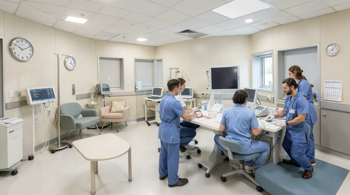
Inpatient facilities provide accommodations that reflect the extended stays, typically including private or semi-private rooms, access to high-speed internet, recreational facilities, and standardized meals. The Kinase Study specifically notes 24 participants receive complimentary high-speed internet, enabling them to work, study, or stay connected during the 21-night stay. The Fast IgE Study at Nucleus Network mentions 25 access to a recreational room to keep participants entertained and occupied in free time. Participants are typically restricted from leaving the facility during the inpatient stay, with no outside visitors permitted, as noted in the opioid use disorder study at Clinilabs. Meal provision is standardized; the Kinase Study specifies 26 normal standardized meals are provided, with a 10-hour fast required prior to dosing on certain study days. The Balance Study at Nucleus Network in Melbourne requires participants to 27 consume meal supplement daily and maintain specific dietary protocols as part of the obesity and metabolic health research.
Referral Bonuses and Additional Compensation Pathways
Many inpatient clinical trial recruiters offer referral bonuses, providing additional compensation for successfully referring eligible participants who complete enrollment. The Kinase Study explicitly states 28 they are offering a $750 referral bonus for each eligible woman referred to the study who successfully doses. QPS Missouri advertises 29 at least $200 earned for every new participant referred who completes a study, with a note that no referral bonuses are paid for outpatient vaccine studies. The ICON Salt Lake City study mentions 30 participants may receive up to $500 for referring a qualified participant even if they themselves do not qualify. This referral structure creates a secondary income opportunity for participants who recruit acquaintances and recognizes that word-of-mouth recruitment from individuals already familiar with the trial process generates higher-quality referrals. Referral payments typically require the referred individual to complete the full study protocol and all required visits before the referrer receives compensation, ensuring accountability and completion rates.
Some studies also provide completion bonuses that reward participants for successfully finishing all study visits and requirements. The Clinilabs opioid use disorder study includes 31 a $750 completion bonus in addition to per-visit compensation, recognizing that participants who complete all study activities provide more valuable data. The Clinilabs healthy volunteer study offers 32 a $700 completion bonus as part of the total $2,350 compensation package. These bonuses serve dual purposes: they incentivize completion, which improves data integrity and reduces dropout rates, and they provide an additional financial reward for participants who follow all study protocols successfully. Travel reimbursement is also typically provided separately from study compensation. The Clinilabs studies specify 33 up to $80 roundtrip travel visit reimbursement with receipts for participants traveling to Eatontown, New Jersey or New York City locations.
Risk Factors, Medical Monitoring, and Safety Considerations
Participation in inpatient clinical trials carries real medical risks that potential participants must understand before enrolling. Investigational drugs being tested have not yet been approved for human use and carry unknown risks of side effects, some potentially serious. The Balance Study in Melbourne explicitly states 34 it is not known whether the study drug may cause unexpected, serious, or life-threatening side effects, while noting these are considered unlikely and participants will be carefully monitored throughout the study with prompt treatment provided if any such effects occur. The IBD Insight Study at Nucleus Network, a first-in-human trial, emphasizes 35 this is the first time the potential treatment is being tested in people, and has been approved by an independent ethics committee with strict safety protocols. During inpatient stays, participants undergo continuous medical monitoring including frequent blood draws, vital sign assessment, electrocardiogram testing, and clinical observation. The Foundation Study at Nucleus Network specifies 36 study procedures include standard meals and fat-containing meals, blood draws, vital signs, and EKG measurements. Participants must remain in the facility for the entire inpatient duration, typically cannot leave unattended, and cannot have outside visitors, limiting their ability to self-manage medical concerns or seek alternative care.
Informed consent documents detail potential risks and require participants to acknowledge understanding before enrollment. All clinical trials require participants to review and sign an informed consent form that explains potential benefits, risks, and side effects of the investigational treatment, clarifying that the treatment may or may not help the medical condition and may or may not cause adverse effects. Participants retain the right to withdraw from any study at any time, for any reason, without penalty or loss of compensation for work already completed. Regulatory oversight through institutional review boards and ethics committees ensures study protocols meet safety standards, but these mechanisms cannot eliminate the inherent risks of testing unapproved treatments. Individuals with underlying medical conditions, those taking medications with potential drug interactions, pregnant or nursing individuals, and those with substance use disorders face specific safety considerations that may preclude enrollment. The opioid use disorder study at Clinilabs requires 37 participants to refrain from smoking during the study, with nicotine replacement options available, and specifies that during the 7-day inpatient stay participants are not allowed outside visitors.
Finding and Screening for Inpatient Trial Opportunities
Locating inpatient clinical trial opportunities requires searching multiple platforms and research facility websites, as no single registry captures all actively enrolling studies. ClinicalTrials.gov, the official U.S. registry maintained by the National Library of Medicine, lists thousands of clinical trials including inpatient Phase 1 studies, searchable by location, study phase, therapeutic area, and health condition. Research organization websites such as Nucleus Network, QPS Missouri, Dr. Vince Clinical Research, ICON, Clinilabs, Fortrea, and others maintain lists of currently enrolling studies with compensation details and eligibility information. Clinical trial recruitment platforms like Study Scavenger, Maxion Research, and Research Centers of America aggregate opportunities across multiple facilities. When evaluating inpatient trial opportunities, potential participants should verify the recruiting organization's credentials, research facility accreditation, and track record of participant safety. The screening process typically begins with a phone pre-screen or online survey assessing basic eligibility criteria including age, health status, medication use, and availability. Qualified candidates then proceed to a formal screening visit involving laboratory work, medical history review, and physical examination to confirm eligibility before enrollment.
Realistic time management is essential for inpatient trial participation, as the process extends beyond the inpatient stay. The screening phase typically requires 1-2 visits before enrollment, with appointments lasting 2-4 hours and involving registration, informed consent review, medical history, physical examination, laboratory work, and sometimes imaging studies. The inpatient stay itself constitutes the primary time commitment, ranging from overnight stays to 28 days depending on the study. Follow-up visits or phone calls occur after the inpatient stay, typically within days to weeks, to assess recovery and gather additional data. Studies may also require long-term follow-up at weeks or months post-participation. The Fortrea study involves 38 17 weeks of total study duration for a 2-night inpatient stay, indicating that follow-up visits and assessments extend the time commitment well beyond the facility stay. Participants should also understand that enrollment is not guaranteed after screening; individuals who complete screening may be determined ineligible based on laboratory results, medical examination findings, or other criteria discovered during the screening process. Some studies provide compensation for screening even if participants are not enrolled, though the amount is typically smaller than study participation fees.
Sources
- Nucleus Network - The Kinase Study
- QPS Missouri - Study #250038
- Nucleus Network - The Refine Study
- Study Scavenger - Fortrea Clinical Trials, Daytona Beach
- Clinilabs - In-patient Opioid Use Disorder
- QPS Missouri - Study #250038 Compensation Details
- Nucleus Network - The Kinase Study Compensation
- KSL Jobs - ICON Paid Volunteers, Salt Lake City
- Nucleus Network - The Core Study
- Nucleus Network - The Foundation Study
- Dr. Vince Clinical Research - Adult Cigarette Smokers
- Dr. Vince Clinical Research - Healthy Volunteers (Study 17R)
- Clinilabs - Healthy Volunteers
- Nucleus Network - The Kinase Study Eligibility
- KSL Jobs - ICON Paid Volunteers Eligibility
- Nucleus Network - The Nova Study
- Clinilabs - In-patient Opioid Use Disorder Qualifications
- Nucleus Network - The Refine Study Eligibility
- QPS Missouri - Study #250038 Prescreening
- Study Scavenger - Fortrea Clinical Trials Duration
- QPS Missouri - Study #250038 Schedule
- Nucleus Network - The Kinase Study Duration
- Nucleus Network - The Nova Study Duration
- Nucleus Network - The Kinase Study Amenities
- Nucleus Network - The Fast IgE Study Facilities
- Nucleus Network - The Kinase Study Procedures
- Nucleus Network - The Balance Study Procedures
- Nucleus Network - The Kinase Study Referral Bonus
- QPS Missouri - Referral Program
- KSL Jobs - ICON Referral Program
- Clinilabs - In-patient Opioid Use Disorder Completion Bonus
- Clinilabs - Healthy Volunteers Completion Bonus
- Clinilabs - Travel Reimbursement
- Nucleus Network - The Balance Study Safety Information
- Nucleus Network - The IBD Insight Study First-in-Human Notice
- Nucleus Network - The Foundation Study Procedures
- Clinilabs - In-patient Opioid Use Disorder Restrictions
- Study Scavenger - Fortrea Clinical Trials Total Duration
Authored by 24Trendz team