Warning Signs of Endometriosis: An Analysis of Clinical Indicators and Diagnostic Realities
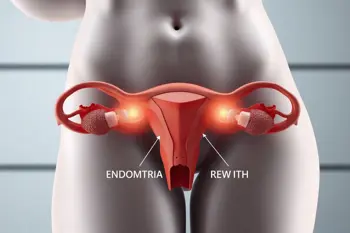
Endometriosis is a chronic, often inflammatory condition where tissue similar to the lining of the uterine cavity, known as the endometrium, implants in areas outside the uterus 1, 6. This ectopic tissue undergoes hormonal changes during the menstrual cycle, thickening, breaking down, and bleeding, which frequently leads to inflammation, scar tissue, and significant discomfort 6, 8. Given that this condition affects approximately 10% to 11% of individuals of reproductive age worldwide, identifying early clinical warning signs is critical for navigating the diagnostic process 5, 8.
The Primary Symptom Triad and Pelvic Presentation
The clinical presentation of endometriosis is often characterized by a classic triad of symptoms: dysmenorrhea, dyspareunia, and infertility 1. Dysmenorrhea, or painful periods, represents the most commonly reported clinical indicator 2, 7. Unlike typical menstrual cramping, endometriosis-related pain often begins before the onset of bleeding and may persist for several days into the menstrual period 6, 7. Patients frequently describe this pain as worsening over time, potentially becoming resistant to standard analgesics 9.
Chronic pelvic pain is another major clinical manifestation, which can occur independently of the menstrual cycle 9. This pain may be described as stabbing, aching, or a feeling of heaviness in the lower abdomen or back 6, 7. Research indicates that the severity of these symptoms does not necessarily correlate with the anatomical stage of the disease, meaning that individuals with mild tissue growth may experience intense, debilitating pain, while others with more extensive disease might report fewer symptoms 1, 8.
Pain During Sexual Activity and Excretory Functions
Dyspareunia, or deep pain during or after sexual intercourse, is a frequent diagnostic indicator frequently reported in clinical evaluations 2, 7. This discomfort typically arises from the presence of endometrial lesions near the pelvic nerves or structures affected by inflammatory adhesions 2. Additionally, the condition can manifest as pain during bowel movements (dyschezia) or urination (dysuria), particularly when tissue implants affect the bladder, rectum, or intestines 1, 2. These symptoms often intensify during the menstrual period due to the localized inflammation of the ectopic tissue 3, 7.
Systemic Symptoms and Gastrointestinal Distress
Beyond localized pelvic pain, endometriosis often presents with systemic and gastrointestinal symptoms that can be misidentified as other conditions, such as irritable bowel syndrome 3, 8. Patients frequently report severe bloating, nausea, constipation, or diarrhea, which typically cycle in alignment with their menstruation 2, 7. Fatigue is another commonly reported symptom, which may negatively impact energy levels and overall daily functioning during or around the time of the menstrual period 3, 7. These secondary indicators, while less specific than pelvic pain, are often central to the diagnostic conversation 7.
Diagnostic Delays and Clinical Challenges
A significant challenge in the management of endometriosis is the extensive delay between the onset of symptoms and a formal diagnosis 8. Studies have reported that the average diagnostic delay ranges from approximately 6.8 to 11.4 years in various regions 8. This delay is often attributed to the normalization of severe period pain, where patients are encouraged to manage symptoms with over-the-counter medication rather than undergoing a systematic evaluation 5, 8. The lack of definitive non-invasive diagnostic tools, combined with the variability of symptom presentation, contributes to these significant delays 5, 9.
| Symptom Category | Specific Presentation | Clinical Context |
|---|---|---|
| Painful Periods | Severe cramps, lower-back pain | Starts before/during cycle |
| Pelvic Pain | Constant or intermittent aching | May persist outside menstruation |
| Intercourse | Deep dyspareunia | Pain during or after penetration |
| Bowel/Bladder | Pain with movement or urination | Worsens during menstruation |
| Systemic | Fatigue, gastrointestinal issues | Cycle-dependent intensity |
Evaluation and Diagnostic Approaches
Clinical diagnosis is primarily based on a thorough review of symptoms and a physical examination of the pelvic area 1, 3. Medical professionals may utilize imaging studies, such as transvaginal ultrasound or MRI, to support the diagnostic process by identifying structural abnormalities like ovarian cysts or significant lesions 1. However, these tests are not always conclusive for superficial implants 1. Laparoscopy, which involves direct visualization and potential biopsy of the tissue, is often considered the standard for confirming the condition, though it is not strictly required to initiate treatment if a clinical diagnosis is supported by patient history 1, 3.
Sources
- Merck Manual Professional Edition: Endometriosis
- Cleveland Clinic: What Does Endometriosis Feel Like?
- Acibadem Hospitals Group: Endometriosis Symptoms: Triggers And Red Flags
- American College of Obstetricians and Gynecologists (ACOG): Diagnosis of Endometriosis
- TODAY: 5 Endometriosis Symptoms A Doctor Monitors In Herself
- nib: Endometriosis 101: Signs & Symptoms
- Asha IVF: Endometriosis Symptoms: Early Signs
- Health Spectra: 5 Endometriosis Warning Signs
- Dr. Senai Aksoy: Endometriosis symptoms: recognising the signs
Authored by 24Trendz team