Warning signs of rotator cuff injury: A clinical analysis of shoulder pathology symptoms
Shoulder pain is a frequent musculoskeletal complaint, yet not every incidence of discomfort stems from the same cause. Rotator cuff injuries, which encompass both inflammatory conditions like tendinitis and structural damage such as partial or full-thickness tears, are among the most common sources of shoulder disability in adults 6. Recognizing the specific warning signs associated with these injuries is critical for ensuring appropriate care, as symptoms often develop through different pathways, including sudden traumatic events or gradual, age-related degeneration 4, 8.
Understanding the Anatomy and Mechanism of Injury
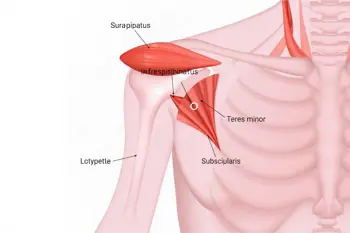
The rotator cuff consists of four primary muscles and their respective tendons-the supraspinatus, infraspinatus, teres minor, and subscapularis-which work in concert to stabilize the humeral head within the glenoid fossa of the scapula 5, 7. These structures allow for smooth arm movement, including rotation, lifting, and overhead reaching. When these components are subjected to repetitive overhead motion, such as in swimming, tennis, or manual labor involving heavy lifting, the tendons can become compressed, leading to impingement syndrome, inflammation, or eventual tearing 1, 5.
Injuries frequently manifest through two distinct clinical profiles. Acute injuries often occur following a sudden fall, severe stretch, or abrupt strain on the shoulder joint 2, 4. Conversely, chronic conditions develop over time due to persistent wear, poor posture, or the presence of bone spurs that irritate the tendons 2, 7. Because the shoulder is a highly flexible joint, it is particularly susceptible to these types of damage as individuals age; statistically, approximately 30 percent of people over the age of 60 and over 60 percent of those over age 80 experience some form of rotator cuff-related pathology 2.
Primary Indicators of Rotator Cuff Distress
The most frequently reported symptom of a rotator cuff injury is persistent shoulder pain, particularly during activities that require lifting or lowering the arm 1, 15. Initially, this discomfort may only occur during specific movements, but as the underlying pathology progresses, the pain may become constant, even when the arm is resting 1, 8. Many individuals find that the pain significantly worsens at night, especially when attempting to sleep on the affected shoulder 2, 12.
Beyond pain, functional impairment serves as a major warning sign. Weakness in the shoulder, described by many clinicians as the primary indicator of a serious rotator cuff issue, often limits the patient's ability to perform routine tasks such as dressing, reaching behind the back, or carrying items that were previously managed without difficulty 3, 4, 13. In severe cases, the patient may notice a significant loss of shoulder function or an inability to raise the arm entirely, which necessitates immediate medical evaluation 4, 20.
Audible and Sensory Symptoms
In addition to pain and weakness, some patients experience distinct sensory feedback during shoulder movement. This can manifest as a clicking, popping, or crackling sensation when the arm is rotated or lifted 2, 3. While these sounds do not always confirm a tear, they are frequently associated with the mechanical friction caused by inflammation or structural damage within the rotator cuff tendons 3. An acute tear may be marked by a sudden, sharp sensation followed by immediate pain, which is often distinct from the gradual onset typical of chronic degeneration 3, 18.
Clinical Differentiation: Tendinopathy vs. Tears
Distinguishing between tendinopathy and a formal tear is central to effective clinical management. Rotator cuff tendinopathy generally refers to the irritation or overuse of the tendon fibers, which typically responds well to rest and physical therapy 7. A tear, however, indicates that the tendon fibers themselves have been damaged or rendered dysfunctional, ranging from partial fraying to a full-thickness separation where the tendon pulls away from the bone entirely 7, 9.
| Indicator | Typical Manifestation |
|---|---|
| Pain Location | Often lateral shoulder or upper arm |
| Nocturnal Symptoms | Worsens when lying on the affected side |
| Functional Limitation | Difficulty with overhead reach |
| Strength | Noticeable weakness during lifting |
When to Seek Professional Evaluation
Medical guidance is strongly advised when shoulder symptoms persist for more than a few weeks or demonstrate a progressive decline in function 9. A comprehensive diagnosis typically involves a physical examination conducted by an orthopedic specialist, often supplemented by imaging modalities like ultrasound or MRI to confirm the severity of the injury 4, 5. Early intervention is particularly vital for patients who experience trauma, such as a fall, if they lose the ability to raise their arm or experience acute, unmanageable pain 4, 20.
Maintenance and Long-Term Outlook
Managing rotator cuff health often involves non-surgical approaches, including nonsteroidal anti-inflammatory drugs (NSAIDs) to reduce inflammation, and targeted strengthening exercises to maintain range of motion 5. Recovery timelines and the success of conservative treatments vary depending on the age of the patient, the duration of the symptoms, and the extent of the damage. While many patients show improvement with physical therapy, persistent or large-scale tears may occasionally require surgical intervention to restore stability and function to the shoulder joint 4.
Sources
- Merck Manual Consumer Version: Rotator Cuff Injury/Subacromial Bursitis
- Britannica: Rotator Cuff Injury Overview
- The Iowa Clinic: Signs & Symptoms of Rotator Cuff Injury
- Acibadem Hospitals Group: Evidence-Based Guide for Patients
- Merck Manual Professional Edition: Rotator Cuff Injury/Subacromial Bursitis
- OrthoTexas: Four Signs of a Rotator Cuff Tear
- Pure Physiotherapy: Warning Signs of a Rotator Cuff Injury
- Manipal Hospitals: Why Your Shoulder Pain May Be a Rotator Cuff Tear
- Rytel Sports Medicine: Symptoms of a Torn Rotator Cuff
- Dallas Orthopedic Associates: Top 5 Signs of a Torn Rotator Cuff
- American Academy of Orthopaedic Surgeons: Rotator Cuff Tears
- Mayo Clinic: Rotator Cuff Injury Symptoms
- Cleveland Clinic: Rotator Cuff Tear
- Johns Hopkins Medicine: Rotator Cuff Injury
- National Institute of Arthritis and Musculoskeletal and Skin Diseases: Rotator Cuff Problems
- MedlinePlus: Rotator Cuff Injuries
- National Health Service: Shoulder Pain
- Hospital for Special Surgery: Rotator Cuff Tear
- Stanford Health Care: Rotator Cuff Injury
- American Academy of Family Physicians: Rotator Cuff Tears
- UCSF Health: Rotator Cuff Tear
Authored by 24Trendz team