Effective ways to manage chronic stress naturally: A clinical analysis of lifestyle interventions
The Physiology of Chronic Stress
Chronic stress is defined as the body's persistent physical and emotional response to prolonged challenges, which keeps the hypothalamic-pituitary-adrenal (HPA) axis in a state of continuous activation 19. Unlike acute stress, which serves as a protective mechanism during immediate threats, chronic low-grade elevation of stress hormones like cortisol can fundamentally rewire biological systems 8. When the body remains in this state for months or years, it can lead to severe health outcomes, including abdominal fat gain, immune system dysregulation, and increased risk for cardiometabolic dysfunction 278. Research indicates that stress can manifest physically through headaches, muscle tension, fatigue, and even cognitive impairments like memory formation disruption 159.
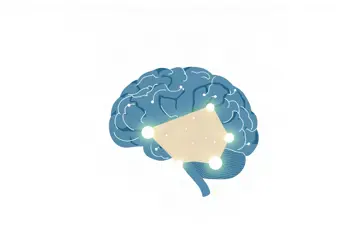
Understanding the specific neural pathways involved in the stress response is essential for effective management 3. Experts distinguish between stress as a functional tool and stress as a chronic condition where the body's alarm system fails to switch off 9. Because this response is a complex neurochemical cascade, simple suggestions to relax are often insufficient without targeting the underlying biological switches 3. Recognizing early symptoms, such as irritability, sleep disturbances, or difficulty concentrating, is the first step toward implementing evidence-based, non-medical lifestyle interventions that promote emotional regulation 56.
Evidence-Based Relaxation and Breathing Techniques
Relaxation techniques are designed to activate the body's parasympathetic nervous system, effectively countering the fight-or-flight response 412. Practices such as diaphragmatic breathing, progressive muscle relaxation, and guided imagery have been shown to produce a measurable reduction in physiological arousal 1114. These methods work by sending direct signals to the brain that the threat has passed, allowing the HPA axis to recalibrate 3. Consistency in these practices is often more important than the duration of a single session, with many practitioners noting that brief micro-interventions are highly effective 9.
Mindfulness meditation serves as another cornerstone of non-pharmacological stress reduction 10. By training the brain to focus on the present moment, individuals can break the cycle of ruminative worry that often fuels chronic stress 4. Clinical data suggests that mindfulness can lead to improved mood, enhanced focus, and better overall brain health 10. Because these techniques are low-risk and accessible, they are frequently recommended as first-line strategies in a holistic, patient-centered approach to mental wellness 714.
The Role of Physical Activity in Stress Regulation
Regular physical activity is a potent physiological intervention for mitigating the effects of stress 13. Exercise promotes the release of endorphins, which are natural chemical agents that help elevate mood and serve as a biological buffer against the negative impacts of cortisol 1014. Official health guidelines recommend that most adults engage in at least 150 minutes of moderate-intensity aerobic activity per week, complemented by muscle-strengthening exercises, to realize these mental health benefits 1118. Beyond the immediate neurochemical boost, routine physical activity is associated with improved sleep quality, which is critical for emotional resilience 1315.
| Activity Category | Key Benefit | Scientific Basis |
|---|---|---|
| Aerobic Exercise | Cortisol reduction | Endorphin release |
| Strength Training | Metabolic health | Hormonal balance |
| Mindful Movement | Nervous system down-regulation | Vagal tone improvement |
Physical activity also provides a necessary diversion from daily pressures, helping individuals move out of a stagnant state of hyper-vigilance 56. Whether through structured sports, walking in nature, or resistance training, the key is the development of a sustainable habit that supports the body's natural maintenance crew 816.
Establishing Consistent Sleep and Circadian Hygiene
Chronic stress often disrupts the body's natural circadian rhythm, particularly the cortisol awakening response, where levels are meant to peak in the morning and decline throughout the day 8. Persistent stress can invert this rhythm, leading to high levels of cortisol at night and fatigue in the morning 8. Ensuring that one receives at least seven hours of restorative sleep per night is essential for regulating these hormone levels and maintaining metabolic health 1215. Establishing a consistent sleep schedule helps stabilize the body's internal biological clock, providing a foundation for better stress management 1112.
Beyond duration, the quality of sleep is paramount. Strategies to improve sleep hygiene include creating a quiet, dark sleeping environment and limiting exposure to stimulants or negative information sources before bedtime 16. When sleep quality is compromised by chronic stress, it can create a feedback loop where lack of rest leads to higher stress vulnerability, making sleep regulation an urgent priority in any management plan 714.
Social Support and Environmental Modulation
The buffering effect of social connections is well-documented in clinical research 12. Engaging with trusted friends, family members, or community groups can mitigate the psychological impact of stressors that might otherwise become overwhelming 617. Talking through challenges allows for better emotional processing and perspective-taking, which are key components of effective problem-solving 25. Furthermore, limiting exposure to external stressors, such as constant news cycles or social media, can prevent the sympathetic nervous system from remaining in a state of high alert 16.
Environmental factors, such as spending time in natural settings, have also been shown to provide restorative breaks from ongoing demands 511. By intentionally curating one's environment and social interactions, individuals can reduce the intensity of environmental triggers that contribute to chronic stress, thereby supporting the body’s natural capacity for resilience 79.
When to Seek Professional Assistance
While self-help strategies are effective for many, they are not a substitute for professional care in instances of severe distress 411. Persistent symptoms that include feelings of hopelessness, significant impairment in daily function at work or home, or thoughts of self-harm warrant immediate attention from a qualified health professional 211. Substance misuse, such as the increased use of alcohol or nicotine to cope with stress, is also a sign that current management techniques are inadequate and require clinical intervention 15. A holistic approach to health acknowledges that while lifestyle medicine is powerful, medical or psychological support is an essential component of care for those struggling with complex mental health conditions 711.
Sources
- Centers for Disease Control and Prevention (CDC) - Managing Stress
- WebMD - Stress Management: Techniques That Work
- Neurosity - Stress Management Techniques Backed by Neuroscience
- HelpGuide - Stress Management: Strategies to Deal with Stress
- NHS Inform - What to do if you are struggling with stress
- Office of Disease Prevention and Health Promotion (ODPHP) - Manage Stress
- Orgain Healthcare News - Lifestyle Tools for Stress Management
- McBride Health - Chronic Stress and Cortisol
- Mind Health - The Science of Stress Management
- Alzheimer's Disease Research Center (ADRC) - Stress Management Tips and Resources
- American Heart Association - Stress Management Approaches
- National Center for Complementary and Integrative Health (NCCIH) - Relaxation Techniques
- American Psychological Association (APA) - Chronic Stress
- Mayo Clinic - Stress Relief Components
- National Institute of Mental Health (NIMH) - So Stressed Out Fact Sheet
- MedlinePlus - Stress Management Strategies
- U.S. Department of Health and Human Services - Physical Activity Guidelines
- Centers for Disease Control and Prevention (CDC) - Physical Activity and Sleep Quality
Authored by 24Trendz team