Train tours across Canada: A Comprehensive Analysis of Trans-Continental Rail Logistics and Itinerary Planning
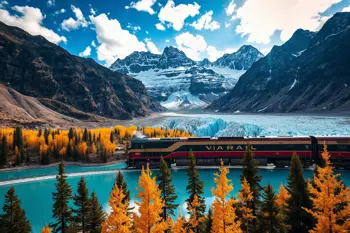
Exploring Canada by rail offers a unique perspective on the nation's diverse topography, ranging from the rugged Atlantic coast to the towering peaks of the Canadian Rockies and the expansive landscapes of the Pacific. Unlike regional commuter transit, long-distance train tours across Canada are typically structured as multi-modal travel experiences, integrating rail segments with hotel stays, guided excursions, and organized land transfers 3. These journeys often utilize a combination of national infrastructure and private luxury rail services to provide a comprehensive look at the country's interior 4.
Primary Trans-Continental Rail Corridors
The backbone of Canadian rail travel consists of two major services operated by VIA Rail: The Canadian and The Ocean. The Canadian route provides service between Toronto and Vancouver, passing through key interior cities such as Winnipeg, Saskatoon, Edmonton, Jasper, and Kamloops 1. This service is designed as a multi-day journey that highlights the shifting landscapes of the Canadian Shield and the western prairies 3. On the eastern side, The Ocean connects Montreal to Halifax, offering a passage through the scenic regions of Quebec and New Brunswick into Nova Scotia 3.
These trans-continental services differ significantly from high-speed commuter rail, as they prioritize scenic pacing and comfort rather than rapid travel 1. Passengers typically have the option of selecting different classes of service, with Sleeper Plus and Prestige Class being prominent choices for those seeking dedicated cabin accommodations 3. Booking these routes in advance is often recommended, particularly for high-demand sleeper configurations which can sell out well ahead of the travel date 3.
Luxury and Daylight Sightseeing Alternatives
For travelers interested in maximizing visibility, daylight-only trains provide an alternative to the sleeper-car experience. The Rocky Mountaineer is perhaps the most notable provider in this category, offering routes that connect Vancouver with destinations such as Banff, Jasper, and Lake Louise 3. Unlike standard overnight rail, these trains operate during daylight hours to ensure passengers do not miss the intricate mountain scenery, utilizing glass-domed carriages and outdoor viewing platforms to enhance the viewing experience 3.
Beyond the primary national routes, specialized rail experiences offer niche opportunities for exploration. For instance, the Agawa Canyon Tour Train provides seasonal excursions from Sault Ste. Marie into the northern Ontario wilderness, while other operators like the Royal Canadian Pacific utilize restored historic railway equipment to provide a curated, luxury-focused environment for guests 1. These specialized services are often integrated into broader vacation packages that feature hotel accommodations and regional sightseeing stops to create a cohesive travel itinerary 3.
Logistics of Multi-Day Rail Itineraries
A typical rail tour itinerary is rarely a single continuous train ride from one end of the country to the other. Instead, these experiences are curated by organizers who combine specific rail segments with ground-based tours 4. For example, a standard 14 to 19-day journey might include sections on The Ocean, transfers through the Quebec-Ontario corridor, and a final segment on The Canadian, paired with dedicated sightseeing days in cities such as Toronto, Niagara Falls, and Jasper 4. This method ensures that travelers experience major landmarks while resting in hotels rather than solely on the train 4.
Organizers often manage complex logistics, including station transfers, hotel porterage, and the coordination of sightseeing tours at various stops 4. These guided tours may include visits to attractions such as the CN Tower in Toronto, excursions to Niagara Falls, or wildlife observation in the Canadian Rockies 2. When planning such a trip, participants must consider the total duration, the inclusion of meals, and whether the tour provides a guided or independent experience, as these factors contribute to the overall complexity of the travel plan 4.
Seasonal Considerations for Rail Travel
Seasonality significantly impacts the type of experience available on Canadian rail tours. Spring and fall months are often preferred for their moderate temperatures and visibility, though summer remains the peak time for long-distance excursions due to extended daylight hours 3. Some routes, particularly those in northern regions or mountain passes, may adjust their service levels or focus on specific highlights based on the time of year 3. For example, during winter, certain wilderness areas may be less accessible, shifting the focus of rail tours toward urban centers and cultural landmarks 3.
Travelers should review the specific schedule of their desired tour to understand what activities are included during different seasons. Summer itineraries often feature specialized offerings, such as temporary routes managed by private operators to handle increased seasonal demand 3. Conversely, spring and autumn offer quieter travel periods, which may be advantageous for those looking for a more relaxed pace throughout their journey across the continent 3.
Regulatory and Entry Requirements
International visitors planning a rail tour across Canada must adhere to national immigration and border control regulations. This involves confirming the need for a passport, visa, or electronic travel authorization (eTA) based on the individual's citizenship and point of entry 1. Since rail routes may cross provincial and national borders, passengers should ensure that all personal documentation is current and accessible throughout the journey. It is also important to note that cross-border transit, if the journey includes sections passing near or through other jurisdictions, may have specific identification requirements 1.
Furthermore, travelers are advised to verify their health and insurance coverage for international travel, as many organized tours require proof of travel insurance. While major tour operators provide support for itinerary management, they generally do not act as representatives for immigration or customs matters, making individual compliance the responsibility of the traveler 1.
Comparison of Rail Tour Models
| Service Type | Key Focus | Primary Route Region |
|---|---|---|
| VIA Rail (The Canadian) | Trans-continental sleeper | Toronto to Vancouver |
| VIA Rail (The Ocean) | Overnight route | Montreal to Halifax |
| Rocky Mountaineer | Daylight/Luxury | Western Canada |
| Agawa Canyon Train | Seasonal Excursion | Northern Ontario |
Understanding these distinctions is vital for setting expectations. Rail travel in Canada is fundamentally a mix of efficient public transport networks and high-end, leisure-focused experiences. By choosing the right combination of rail segments, travelers can create a balanced itinerary that covers both the vast interior of the country and the specific cultural or natural landmarks of interest 1. Whether opting for the luxury of glass-domed coaches or the nostalgia of long-distance sleepers, the landscape remains the primary feature of any Canadian rail tour 4.
Sources
- VIA Rail Canada
- Rocky Mountaineer
- Condé Nast Traveler
- TourRadar
Authored by 24Trendz team