Recognizing early signs of thyroid problems: A clinical perspective on symptom identification
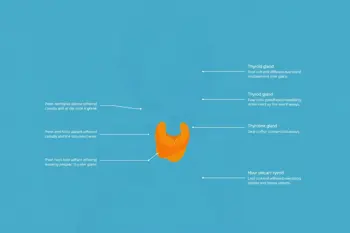
Recognizing early signs of thyroid problems is a critical component of maintaining metabolic and systemic health, as the thyroid gland influences nearly every major bodily function 1, 4. Located at the base of the neck, this butterfly-shaped organ regulates metabolism, heart rate, digestion, and cognitive performance by producing essential hormones 2, 7. Because its impact is so widespread, imbalances often present as nonspecific symptoms that can be easily overlooked or mistaken for the common stresses of aging or a busy lifestyle 2, 7, 10.
The Dual Nature of Thyroid Dysfunction
Thyroid disease generally falls into two primary categories: hypothyroidism, where the gland produces insufficient hormones, and hyperthyroidism, where the gland produces an excess 1, 3. In cases of hypothyroidism, the body’s metabolic rate slows significantly, leading to a reduction in energy levels, cold intolerance, and difficulty losing weight 1, 3. Conversely, hyperthyroidism shifts the body into overdrive, often resulting in an irregular heartbeat, unintended weight loss, and heightened anxiety 1, 3, 5.
Statistical data indicates that more than 12% of the U.S. population will develop a thyroid condition during their lifetime, yet as many as 60% of those affected remain unaware of their condition 1, 8. Furthermore, women are five to eight times more likely to experience these issues than men, with prevalence often increasing with age, particularly after menopause 1, 6.
Metabolic Indicators and Weight Changes
Unexplained shifts in body weight are among the most frequently reported clinical markers of thyroid instability 5, 10. Hypothyroidism is commonly associated with an inability to lose weight despite efforts, as the body struggles to maintain an efficient metabolic pace 1. Patients may also experience persistent constipation as digestive processes slow down under the influence of insufficient hormonal signals 2, 10.
In contrast, hyperthyroidism frequently presents with rapid, unintended weight loss because the body consumes energy at an accelerated rate 1, 3. This hyper-metabolic state can also manifest as increased bowel frequency, which stands in sharp contrast to the digestive sluggishness observed in hypothyroid patients 1. Because these symptoms are often subtle, tracking changes in appetite and body composition over several months is vital for accurate clinical evaluation 9.
Cardiac and Cognitive Warning Signs
The thyroid’s influence on the cardiovascular and neurological systems means that subtle shifts in hormone levels can often be felt in how one thinks and feels 2, 4. Hyperthyroidism may cause a newly-onset irregular heart rate, palpitations, and physical tremors, particularly in the hands 1, 5, 7. These physical sensations are often accompanied by psychological indicators such as nervousness, irritability, and anxiety 3, 7.
Hypothyroidism, by comparison, is frequently linked to cognitive challenges often described as brain fog, persistent fatigue despite adequate rest, and difficulties with concentration 2, 5. Patients may report feeling generally off or moody, symptoms that are frequently dismissed as burnout 2. Recognizing that these cognitive and cardiac changes are not necessarily signs of aging is the first step toward seeking appropriate endocrinological testing 4, 7.
Physical Manifestations in Skin, Hair, and Body
Dermatological and physical changes are common, yet often overlooked, indicators of thyroid health 5, 9. Thyroid dysfunction can lead to noticeable changes in hair and skin texture, including increased dryness and hair loss 1, 9. These changes result from the altered rate of cell turnover and reduced blood flow to the skin that occurs during periods of thyroid imbalance 4.
Additionally, structural changes in the neck, such as a visible or palpable lump, may indicate a goiter or the presence of thyroid nodules 9, 10. Any difficulty swallowing, persistent hoarseness, or sudden neck swelling warrants immediate professional evaluation to distinguish between benign structural issues and more complex thyroiditis or nodules 9.
Diagnostic Considerations for Different Demographics
Diagnosis of thyroid disorders remains challenging because symptoms often overlap with other age-related conditions 4, 9. For instance, older adults may demonstrate fewer classic symptoms than younger individuals, which can delay diagnosis and allow underlying conditions to persist 4. Clinicians typically rely on blood tests, specifically measuring TSH (thyrotropin) levels, to assess thyroid function 5, 9.
| Indicator | Potential Hyperthyroidism | Potential Hypothyroidism |
|---|---|---|
| Metabolism | Increased/Rapid | Decreased/Slow |
| Heart Rate | Rapid/Irregular | Slowed |
| Skin | Sweaty/Warm | Dry |
| Mood | Anxious/Nervous | Foggy/Moody |
An elevated TSH level usually suggests an underactive thyroid, while a very low TSH level typically indicates an overactive thyroid 5. Beyond lab results, physicians take into account a patient’s medical history, family history, and physical examination results to form a complete clinical picture 9, 10.
Long-term Health Implications and Prevention
Untreated thyroid disorders can lead to more serious complications over time, including heart disease, brittle bones, and fertility challenges 7. For women in particular, changes in menstrual regularity can be a primary early indicator of hormone imbalance 5. Because these conditions are generally highly treatable once identified, proactive screening and awareness are recommended for those with known family histories or those noticing persistent, non-specific changes in their overall health 4, 7.
Maintaining awareness of one’s internal and external health signals is the most effective approach to managing thyroid concerns 9. Regular check-ups with a primary care provider allow for consistent monitoring of TSH levels, ensuring that any fluctuations are addressed before they impact long-term quality of life 3, 7.
Sources
- Ochsner Health: What Are the Early Warning Signs of Thyroid Problems?
- The Well by Northwell: How to Know If You Have a Thyroid Problem
- UChicago Medicine AdventHealth: Thyroid Disease Warning Signs
- AARP: What Are the Warning Signs of a Thyroid Disorder?
- Prevention: Doctors Explain Signs You May Have a Thyroid Problem
- Prevention: 17 Signs of Thyroid Disease Doctors Want You to Know
- National Geographic: Why thyroid trouble is so often missed
- NewYork-Presbyterian: What Are the Signs and Symptoms of Thyroid Disease?
- Acibadem Hospitals Group: Thyroid Symptoms, Causes, Conditions
- Acibadem Health Point: Thyroid Symptoms, Causes and Treatment
Authored by 24Trendz team