Warning signs of high blood pressure: Clinical guidance on symptoms, readings, and emergency risks
Warning signs of high blood pressure are often absent, which is why hypertension is commonly described as a “silent killer.” The only reliable way to identify elevated pressure is to measure it, even when a person feels healthy. 1
Why hypertension often has no warning signs
High blood pressure is the force of blood pushing against artery walls. When that force remains elevated, it can gradually damage blood vessels and vital organs, including the heart, brain, kidneys, and eyes, without producing a recognizable sensation. Stony Brook Medicine reports that about half of American adults have hypertension, while roughly one third do not know they have it. 1
Because symptoms are unreliable, waiting for a headache or another physical change can delay diagnosis. The condition increases the risk of heart attack, stroke, heart failure, chronic kidney disease, and cognitive decline or dementia. Regular screening and correctly performed readings are therefore important for adults who feel well as well as those with known risk factors. 1
What blood pressure numbers indicate
A blood pressure reading contains two measurements. The systolic number, shown first, records pressure when the heart contracts, while the diastolic number, shown second, records pressure while the heart rests between beats. Readings are expressed in millimeters of mercury, or mm Hg, and are written in a format such as 120/80. 3
Current adult categories identify normal pressure as below 120/80 mm Hg, elevated pressure as 120 to 129 systolic with diastolic pressure below 80, stage 1 hypertension as 130 to 139 systolic or 80 to 89 diastolic, and stage 2 hypertension as 140 or higher systolic or 90 or higher diastolic. A person is classified by the higher category when the two numbers differ. 4
Symptoms that may accompany severe elevation
Most people with hypertension do not notice symptoms, even when readings are substantially elevated. When pressure rises severely, possible symptoms can include severe headache, blurred or changed vision, chest pain, shortness of breath, nausea, vomiting, nosebleeds, severe anxiety, or changes in alertness. These symptoms are not specific to hypertension, so a measurement and clinical assessment are needed rather than relying on symptoms alone. 7
Neurological changes are particularly important warning signs. Weakness or numbness, difficulty speaking, confusion, altered mental status, or a seizure may indicate injury involving the brain or another target organ. Clinical descriptions of hypertensive crisis also include reduced urine output or blood in the urine, findings that may reflect kidney involvement. Such symptoms require urgent medical evaluation. 2
When a reading becomes an emergency
A reading of 180/120 mm Hg or higher is generally treated as a severe elevation requiring prompt attention. If that level occurs with chest pain, breathing difficulty, vision loss or major vision changes, weakness, numbness, confusion, severe headache, or difficulty speaking, emergency services should be contacted immediately. These combinations can signal a hypertensive emergency with acute damage to the heart, brain, kidneys, or other organs. 2
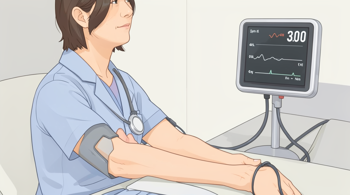
A single high reading does not by itself establish chronic hypertension. Stress, pain, physical activity, caffeine, an incorrect cuff size, or measurement technique can temporarily affect the result. However, an extremely high reading should not be dismissed, especially when symptoms are present. Healthcare professionals consider repeated readings, how measurements were obtained, symptoms, and overall health when determining the next clinical step. 3
Pregnancy-specific warning signs
During pregnancy, high blood pressure may be associated with preeclampsia or another pregnancy-related hypertensive disorder. Warning symptoms include a severe or persistent headache, vision changes, pain in the upper abdomen, sudden swelling of the face or hands, nausea or vomiting, and difficulty breathing. These signs warrant prompt contact with an obstetric clinician because pregnancy-related complications can affect both the pregnant patient and the fetus. 8
Pregnancy symptoms should not be evaluated using the same assumptions applied to routine adult screening. A person may have a serious blood pressure disorder without every listed symptom, and the absence of symptoms does not rule it out. Blood pressure assessment, urine testing, blood tests, and other examinations may be used by clinicians to evaluate suspected preeclampsia and determine whether organs are being affected. 8
How detection and follow-up work
Blood pressure measurement is central because hypertension is commonly silent. Screening can occur during routine healthcare visits or through home monitoring, provided the device and technique are appropriate. Repeated measurements offer more useful information than one isolated result. Recording readings along with relevant symptoms and circumstances can help a clinician distinguish a persistent pattern from a temporary elevation. 1
Early intervention can help manage hypertension and reduce long-term cardiovascular and kidney risks. Management may include lifestyle measures such as increased physical activity, weight loss, and reduced sodium intake, and some patients may require medication. Ongoing follow-up matters because a third of patients with hypertension do not have their pressure adequately controlled, leaving continued exposure to organ damage. 1
Sources
- Stony Brook Medicine Health News, “Know Your Numbers: Why Blood Pressure Matters”
- NCBI Bookshelf, “Hypertensive Crisis”
- Sharp HealthCare, “Understanding Your Blood Pressure Numbers”
- ScienceInsights, “How Do I Know When My Blood Pressure Is High?”
- National Heart, Lung, and Blood Institute, “High Blood Pressure Symptoms”
- MedlinePlus, “High Blood Pressure”
- Mayo Clinic, “High Blood Pressure: Symptoms and Causes”
- American College of Obstetricians and Gynecologists, “Preeclampsia and High Blood Pressure During Pregnancy”
Authored by 24Trendz team