What you need to know about polycystic ovary syndrome symptoms: A clinical overview
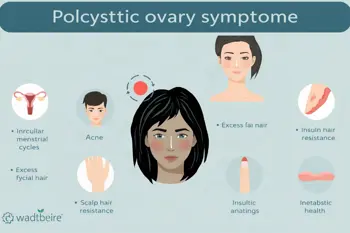
What you need to know about polycystic ovary syndrome symptoms begins with recognizing that the condition varies considerably between individuals. Common features include irregular periods, acne, excess hair growth, scalp hair thinning, weight changes, fertility difficulties, and metabolic abnormalities, but no single symptom appears in everyone. 1
What polycystic ovary syndrome is
Polycystic ovary syndrome, commonly abbreviated PCOS, is a hormonal condition associated with increased androgen activity, irregular ovulation, and metabolic changes. Some clinical sources now use the term polyendocrine metabolic ovarian syndrome, or PMOS, to emphasize that the condition involves more than the ovaries. The small structures seen on imaging are often immature follicles rather than conventional ovarian cysts, and ovarian morphology is not required for every diagnosis. 2
- Symptoms may begin during adolescence or emerge later.
- Severity can range from mild menstrual changes to significant fertility or metabolic concerns.
- The condition may remain unrecognized until infertility or unexplained weight change leads to evaluation.
Menstrual and fertility symptoms
Irregular, widely spaced, or absent menstrual periods are among the most recognizable symptoms. They usually reflect irregular ovulation, which can make conception difficult. Clinical diagnostic frameworks assess ovulatory dysfunction alongside androgen-related findings and ovarian morphology, while excluding other explanations for abnormal bleeding or hormone changes. Difficulty becoming pregnant does not mean pregnancy is impossible, but it can indicate that ovulation is occurring inconsistently. 3
- Periods may be unpredictable or missed.
- Ovulation may occur irregularly or not at all in some cycles.
- Fertility concerns can be the first reason a person seeks assessment.
Skin and hair changes
Higher androgen activity can affect the skin and hair follicles. Possible signs include persistent or adult-onset acne, oily skin, increased facial or body hair, and thinning hair on the scalp. Excess terminal hair may appear on the face, chest, abdomen, back, or other areas. The pattern differs between individuals, and cosmetic symptoms alone cannot establish a diagnosis because other hormone-related conditions can produce similar changes. 4
- Hirsutism refers to excess coarse hair in areas commonly associated with androgen sensitivity.
- Scalp hair loss may resemble a male-pattern distribution.
- Acne can occur alongside oily skin and may persist beyond adolescence.
Weight and insulin-related symptoms
Insulin resistance is commonly associated with PCOS and can contribute to higher insulin levels, weight gain, and difficulty managing weight. However, PCOS can occur in people across body sizes, so body weight alone neither confirms nor excludes the condition. Metabolic assessment matters because PCOS is associated with increased risks of type 2 diabetes, elevated cholesterol, high blood pressure, fatty liver, and other metabolic complications. 5
- Weight changes may occur gradually and are not universal.
- Insulin resistance can exist without obvious symptoms.
- Metabolic risks require attention even when reproductive symptoms are limited.
Skin signs linked with insulin resistance
Some people with PCOS develop acanthosis nigricans, which appears as thickened, darker, velvety skin, commonly in folds such as the neck, armpits, or groin. Skin tags may also occur, particularly around the neck or underarms. These findings can be associated with insulin resistance, but they are not specific to PCOS and should be interpreted with the rest of a person’s medical history, examination, and laboratory results. 6
- Darkened skin folds may be more noticeable than other symptoms.
- Skin tags can occur with metabolic changes but do not independently diagnose PCOS.
- New or rapidly changing skin findings warrant clinical assessment.
Mood, sleep, and broader health effects
PCOS can affect more than reproductive hormones. Research summaries associate the condition with higher rates of anxiety and depression, while sleep apnea is reported particularly often among people with higher body mass index. Longer-term concerns include hypertension, abnormal cholesterol, type 2 diabetes, and cardiovascular risk factors. These associations do not mean that every person with PCOS will develop each complication, but they explain why evaluation extends beyond periods and fertility. 7
- Mood changes, anxiety, or depression may accompany physical symptoms.
- Loud snoring, disrupted sleep, or persistent daytime tiredness can merit discussion with a clinician.
- Regular monitoring may include blood pressure, glucose, and cholesterol assessment.
How diagnosis is approached
Diagnosis generally combines medical history, physical examination, hormone testing, and sometimes pelvic ultrasound. A commonly cited framework identifies two of three features: clinical or biochemical hyperandrogenism, ovulatory dysfunction, and polycystic ovarian morphology, after other causes have been excluded. Because symptoms overlap with other endocrine and reproductive disorders, self-diagnosis based on acne, weight, or an ultrasound finding alone can be misleading. 8
- A person does not need visible ovarian cysts to have PCOS.
- Laboratory testing may help evaluate androgen levels and related conditions.
- Diagnosis should reflect symptoms, reproductive goals, and metabolic health together.
When symptoms deserve medical attention
Medical evaluation is appropriate when periods become very irregular or absent, excess hair or acne worsens, scalp hair thinning develops, pregnancy is difficult to achieve, or signs of insulin resistance appear. Treatment planning depends on the person’s priorities, such as cycle regulation, skin or hair management, fertility, or reduction of metabolic risk. Lifestyle measures involving diet and physical activity are commonly included in management, alongside individualized medical care when indicated. 9
- Documenting cycle dates and symptom changes can support a clinical assessment.
- Rapidly progressive androgen-related changes require evaluation for causes beyond typical PCOS.
- Persistent mood symptoms should be discussed as part of comprehensive care.
Sources
- Penn Medicine, Polyendocrine Metabolic Ovarian Syndrome
- Cedars-Sinai, Understanding Polyendocrine Metabolic Ovarian Syndrome
- Merck Manual Professional Edition, Polyendocrine Metabolic Ovarian Syndrome
- NewYork-Presbyterian Health Matters, What Is Polycystic Ovary Syndrome
- Mayo Clinic, Polycystic Ovary Syndrome Symptoms and Causes
- Cleveland Clinic, Polycystic Ovary Syndrome
- Johns Hopkins Medicine, Polycystic Ovary Syndrome
- Centers for Disease Control and Prevention, PCOS
- Office on Women’s Health, Polycystic Ovary Syndrome
Authored by 24Trendz team