Key indicators of respiratory health you should be aware of: A Clinical Guide to Monitoring Breathing
Key indicators of respiratory health you should be aware of include changes in breathing, oxygen levels, cough, mucus, chest comfort, and physical stamina. These measures can help identify possible airway or lung problems, but no single symptom or home reading can establish a diagnosis.
Breathing rate and work of breathing
A normal resting respiratory rate for healthy adults is typically 12 to 16 breaths per minute. A persistently increased rate can indicate that the body is working harder to breathe or is not receiving enough oxygen, particularly when it occurs with visible effort or a sudden change from a person’s usual pattern. Respiratory rate should be interpreted alongside symptoms, medical history, and physical examination rather than used as an isolated diagnostic result. 1
Signs of increased work of breathing include labored breathing, nostril flaring, grunting, chest retractions, sweating with cool or clammy skin, and leaning forward while sitting. Retractions occur when the skin sinks around the neck, breastbone, ribs, or muscles between the ribs during inhalation. These signs can indicate respiratory distress and require medical assessment, especially when they develop rapidly. 2
Oxygen saturation and visible color changes
Pulse oximetry estimates blood oxygen saturation, commonly recorded as SpO2. Readings between 95% and 100% are generally considered healthy for most individuals, although interpretation depends on the clinical situation and the person’s established baseline. A reading should be considered together with breathing difficulty, chest symptoms, alertness, and skin color because an instrument reading alone does not explain the cause of an abnormal result. 3
A bluish or gray color around the lips, inside the mouth, or beneath the fingernails can signal inadequate oxygenation. Pale or gray skin, confusion, unusual sleepiness, or severe breathlessness are also concerning signs associated with respiratory failure. Respiratory failure can involve dangerously low oxygen, excessively high carbon dioxide, or both, and may require oxygen or assisted ventilation in a medical setting. 4
Cough, sputum, and airway sounds
A cough lasting eight weeks or longer is classified by the American Lung Association as chronic and can be an early sign of conditions such as asthma, COPD, or lung cancer. The supplied clinical guidance also identifies cough persisting beyond three weeks as a reason for professional evaluation. The difference reflects different thresholds used for clinical description and public warning guidance, so persistence, recurrence, severity, and associated symptoms all matter. 5
Mucus, also called sputum or phlegm, is produced by the airways as a defense against irritants and infection. Production lasting a month or longer may indicate lung disease, while a notable change in color or consistency can accompany airway irritation or infection. Wheezing is a tight, whistling, or musical sound that may reflect narrowed airways. A sound alone does not identify a specific disease and must be assessed with the broader clinical picture. 6
Shortness of breath and functional capacity
Shortness of breath that does not resolve after exercise, occurs with little or no exertion, or appears during routine activities that were previously comfortable is an important warning sign. Breathlessness may arise from lung disease, airway narrowing, infection, environmental exposure, or a heart-related problem. Recording when it occurs, how long it lasts, and whether it is worsening can provide useful information for a healthcare evaluation. 7
Fatigue and reduced exercise tolerance can accompany impaired gas exchange because the heart and lungs may need to work harder to supply oxygen to tissues. Subtle functional changes may include slowing walking pace, avoiding stairs, or becoming unusually tired during ordinary tasks. These changes are not specific to respiratory disease, but unexplained decline becomes more clinically relevant when combined with cough, wheezing, chest tightness, or breathlessness. 8
Chest pain and other warning symptoms
Unexplained chest pain lasting a month or longer, particularly pain that worsens during inhalation or coughing, is listed as a warning sign of possible lung disease. Chest pain can have respiratory, cardiac, musculoskeletal, or other causes, so duration and triggers do not establish the underlying condition. New, severe, or rapidly worsening chest pain accompanied by breathing difficulty warrants emergency medical evaluation. 9
Coughing up blood signals a health problem whether the blood comes from the lungs or the upper respiratory tract. It should not be dismissed based on the amount alone, particularly if it occurs with shortness of breath, chest pain, weakness, or color changes. New or worsening noisy breathing, fever, chest pain, bluish lips, or confusion are additional symptoms that require prompt clinical assessment rather than self-diagnosis. 10
How respiratory health is assessed
Clinical assessment combines reported symptoms with observation and testing. A structured review may include airway patency, respiratory rate, rhythm, depth, chest expansion, breath sounds, oxygen saturation, cough, sputum, skin color, mental status, pain with breathing, smoking or vaping history, medication use, and response to interventions. This approach helps determine whether a person is moving air, oxygenating, ventilating, or showing signs of deterioration. 11
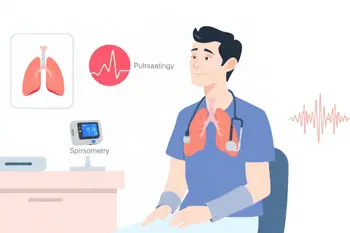
Spirometry measures the volume and speed of exhaled air and is a standard test for evaluating lung function and diagnosing obstructive diseases such as asthma and COPD. Depending on the presentation, clinicians may also use a physical examination, oxygen measurement, imaging, or blood tests. Because respiratory symptoms overlap across infections, allergies, asthma, COPD, and heart conditions, test selection depends on the individual clinical context. 12
Sources
- Cleveland Clinic, Respiratory Rate
- Cedars-Sinai, Signs of Respiratory Distress
- Mayo Clinic, Hypoxemia
- MSD Manual Consumer Version, Respiratory Failure
- American Lung Association, Warning Signs of Lung Disease
- Acibadem Hospitals Group, Lung Sounds
- WebMD, Shortness of Breath
- Verywell Health, Signs of Healthy Lungs
- Medical News Today, Chest Pain When Breathing
- Acibadem Hospitals Group, Respiratory Health
- NurseZee, Respiratory Assessment for Nurses
- National Heart, Lung, and Blood Institute, Spirometry
Authored by 24Trendz team