Effective ways to manage lower back pain naturally: A Clinical Overview of Conservative Care Strategies
Lower back pain represents one of the most common physical ailments globally, affecting approximately four out of five Americans at some point during their lives 1. As individuals reach middle age, structural changes in the lumbar spine-including disc degeneration and minor ligament strains-frequently manifest as discomfort 1, 5. While often debilitating, most cases of acute low back pain stem from mechanical strain due to overuse, poor ergonomics, or unaccustomed activity rather than life-threatening conditions 1, 6. This article examines the current clinical understanding of managing these symptoms through non-pharmacologic and lifestyle-based interventions.
The Clinical Approach to Early Management
For individuals experiencing nonspecific acute lower back pain, the standard clinical recommendation is to avoid prolonged bed rest and remain as active as safely possible 2, 9. Continued movement has been shown to improve both pain intensity and physical function more effectively than passive recovery 2. While the natural progression of many back injuries involves self-resolution within a few days, persistent or worsening symptoms typically necessitate a formal medical evaluation to rule out nerve impingement or structural damage 1, 9.
- Maintain light daily activity to prevent muscle atrophy.
- Avoid sudden, heavy lifting or aggressive twisting motions during the acute phase.
- Monitor for "red flag" symptoms requiring urgent care, such as progressive leg weakness, fever, or loss of bowel and bladder control 9, 10.
Therapeutic Applications of Temperature
Thermal therapy remains a primary tool for short-term symptom relief, utilizing both heat and cold to address different physiological responses to pain 9, 10. Cold therapy, or ice application, is generally utilized to reduce local inflammation and swelling immediately following a strain 9. Conversely, heat therapy is typically employed to address muscle stiffness and spasms by promoting relaxation in the soft tissues surrounding the spine 9. Clinical practice suggests applying these temperature-based modalities for approximately 20 minutes at a time, several times per day, to achieve modest results 9.
The Role of Exercise and Physical Therapy
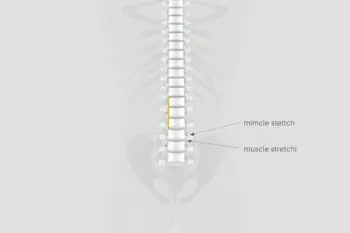
Structured physical activity is widely considered the most effective long-term strategy for managing chronic lower back pain 2, 7. Exercises targeting the core, abdominal muscles, and hips provide essential support for the lumbar spine, reducing the mechanical stress that often leads to recurring episodes 4, 6. Low-impact activities such as walking, swimming, and yoga are frequently recommended to keep muscles flexible and strong without placing undue strain on the vertebrae 4, 7.
| Exercise Category | Potential Benefits |
|---|---|
| Core Strengthening | Increases spinal stability and support |
| Aerobic Activity | Promotes blood flow and reduces stiffness |
| Yoga and Tai Chi | Enhances mobility and body awareness |
| Flexibility Training | Reduces muscle tension around the lumbar area |
Alternative and Complementary Approaches
Beyond standard physical therapy, various non-pharmacologic interventions have been studied for their ability to influence pain perception and functional status. Acupuncture has demonstrated moderate efficacy in reducing pain intensity for some individuals with chronic symptoms compared to no treatment at all 2, 11. Similarly, psychological therapies, including mindfulness-based stress reduction and cognitive behavioral approaches, may assist in managing the burden of persistent pain, though their direct impact on physical function varies across clinical studies 2, 11.
Addressing Posture and Ergonomic Factors
Persistent lower back pain is frequently exacerbated by daily habits related to work and home environments. Poor posture, particularly during prolonged sitting, can contribute to chronic strain on the lumbar region 4. Ergonomic adjustments-such as ensuring a neutral spine position while working or optimizing sleep surfaces-are considered integral components of comprehensive recovery plans 9. Developing a structured routine that incorporates frequent movement breaks and mindful attention to body mechanics during physical tasks helps mitigate the risk of future injury 4, 9.
Navigating the Need for Professional Diagnosis
While many home remedies offer relief for minor muscle strains, chronic back pain lasting longer than 12 weeks requires a more rigorous diagnostic process 3, 8. A qualified healthcare professional may utilize physical exams, neurological testing, or, when necessary, imaging scans such as MRIs or X-rays to identify the specific source of pain 3. Obtaining an accurate diagnosis is essential for determining whether conservative management remains appropriate or if more specialized interventions, such as guided physical therapy or targeted rehabilitation, are necessary to facilitate recovery 3, 9.
Sources
- Harvard Health Publishing, "Home remedies for low back pain."
- American Family Physician, "Nonpharmacologic and Nonsurgical Treatment of Low Back Pain in Adults."
- Harvard Health Publishing, "Create a plan to relieve your back pain."
- Emory Orthopaedics & Spine Center, "8 Ways to Relieve Low Back Pain at Home."
- Cedars-Sinai, "The Best Stretches and Exercises for Lower Back Pain."
- Mayo Clinic, "Back exercises in 15 minutes a day."
- Medical News Today, "12 fast and effective back pain home remedies."
- Harvard Health Publishing, "Managing chronic back pain."
- Aurora Health Care, "How Do You Relieve Lower Back Pain?"
- Neurosurgery One, "Lower Back Pain Self Care Guide."
- National Center for Complementary and Integrative Health, "Low Back Pain: In Depth."
Authored by 24Trendz team