Cruise to Mexico from Los Angeles: A Comprehensive Analysis of West Coast Maritime Routes
Travelers seeking a maritime journey from the Southern California region can access several established routes, primarily focusing on the Mexican Riviera and the Baja California peninsula. These sailings utilize the World Cruise Center in San Pedro and the Long Beach Cruise Terminal, both situated within the Los Angeles metropolitan area 1. By departing directly from the West Coast, passengers avoid the complexities of positioning flights and the logistical challenges often associated with transcontinental travel 1. The proximity of these terminals to major urban centers makes this a preferred departure point for regional travelers, as well as those visiting via Los Angeles International Airport 8.
Operational Logistics and Port Facilities
Cruises departing from the Los Angeles area typically anchor at one of two primary facilities. The World Cruise Center, located in San Pedro, serves as a significant hub for international and regional departures 8. Simultaneously, the Long Beach Cruise Terminal hosts a variety of voyages, particularly those focused on shorter Baja itineraries 2. Both terminals are located approximately 20 miles south of downtown Los Angeles, requiring ground transportation for those arriving at regional airports 8. Parking facilities are available at both locations, providing options for passengers driving to the port for their departure 8.
For those preparing for embarkation, understanding the terminal layout is essential. Rideshare services and standard parking garages remain the primary modes of arrival for most passengers 8. Upon reaching the terminal, travelers are subject to standard security screening protocols. Because these ports act as international points of departure, all passengers must present appropriate documentation, such as a valid passport, or for specific closed-loop cruise itineraries, an official government-issued photo ID and a birth certificate for U.S. citizens 6.
Common Itinerary Structures and Durations
Maritime routes from Los Angeles generally bifurcate into two distinct categories: short-duration Baja Mexico getaways and longer, seven-night Mexican Riviera expeditions 5, 9. Short sailings, typically lasting three to four nights, frequently include stops at Catalina Island and Ensenada 5. These itineraries are characterized by a faster pace and are often favored by travelers seeking a brief departure from their routine without the time commitment of a full-week excursion 5.
Conversely, seven-night itineraries are designed to provide a more comprehensive exploration of the Pacific coast 1. These longer voyages typically visit three major ports: Cabo San Lucas, Puerto Vallarta, and Mazatlán 1. This structural approach allows for a balanced ratio of port days and time spent at sea, enabling passengers to utilize the ship's onboard amenities while transitioning between destinations 1. In Puerto Vallarta, specific cruise schedules may include an evening stay, providing passengers with the opportunity to dine ashore before the ship departs for its next destination 1.
Geographic and Seasonal Considerations
One notable benefit of sailing from Los Angeles to the Mexican Pacific coast is the absence of time-zone changes, as these destinations share the same time zone as Southern California 1. This simplifies travel for those who may be sensitive to shifts in their daily schedule. The region experiences distinct seasonal patterns that influence travel, with peak activity for Mexican Riviera cruises generally occurring from November through April, when weather conditions are considered most favorable for coastal excursions 7.
During the off-peak seasons, cruise lines may modify their operations or shift vessels to other regions, though many maintain a consistent presence in the Pacific. Prospective travelers should assess their preferred climate conditions when selecting a departure date, as the Pacific weather can fluctuate based on the specific month of travel. These considerations are particularly important for passengers planning shore excursions, which are a major component of the value proposition for Mexican Riviera sailings 7.
Service Providers and Vessel Offerings
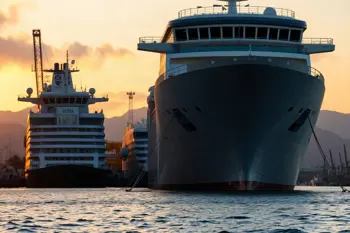
Several major cruise lines operate out of the Los Angeles and Long Beach ports, each offering varied onboard experiences 1. Operators such as Carnival Cruise Line, Princess Cruises, Royal Caribbean, and Norwegian Cruise Line maintain regular departures, with each brand tailoring its onboard environment to different demographic preferences 1, 3, 4, 5. For example, some ships feature Italian-themed environments with specialized dining and entertainment, while others emphasize adventure-centric activities or kid-free environments tailored for specific traveler segments 2, 8.
Vessels deployed on these routes are often equipped with diverse amenities, ranging from onboard water parks and spas to nightly stage productions and specialty restaurants 7. Prospective passengers often compare these offerings to determine which vessel best aligns with their expectations for a cruise experience. Because the ship itself functions as a primary destination for many travelers, the onboard features-including dining, stateroom categories, and entertainment-are often as critical to the trip planning process as the itinerary itself 1, 7.
Market Trends and Economic Factors
The market for cruises from Los Angeles is dynamic, with pricing often influenced by seasonality, cabin category, and the specific cruise line's demand management strategies 9. Passengers seeking to manage their travel expenditures often look for promotional rates, which can vary significantly depending on the time of year and lead time before departure 3, 4. Additionally, some cruise lines extend specific incentives for senior travelers or state residents, requiring verification at the time of pier check-in to confirm eligibility 3, 4.
Industry experts suggest that travelers prioritize evaluating the full cost of a voyage, which includes not only the base fare but also potential port fees, gratuities, and the cost of shore excursions 7. Transparency regarding these costs is a focus for many reputable booking platforms. By monitoring historical pricing trends and understanding the criteria for potential savings, travelers can navigate the booking process more effectively to ensure the chosen itinerary aligns with both their preferences and their broader financial planning for the vacation 3, 4.
Regulatory Oversight and Documentation
Travelers must adhere to strictly enforced regulatory requirements regarding international travel. As Mexico is a sovereign nation, all cruise passengers entering its territorial waters must comply with documentation standards established by U.S. and Mexican authorities 6. While closed-loop cruises may have less stringent documentation requirements than international air travel, it remains the passenger's responsibility to possess compliant identification 6.
Failure to provide necessary documentation at the terminal can lead to denied boarding. Furthermore, passengers should be aware that local municipalities in Mexico may impose tourist taxes or resort fees depending on the nature of the excursion and the activities engaged in while ashore 7. Staying informed about current government travel advisories and port-specific regulations is recommended as part of the pre-departure preparation for any cruise departing from Los Angeles 6.
Sources
- Direct Line Cruises - Mexico Cruises from Los Angeles
- Carnival Cruise Line - Baja Mexico Itineraries
- Booking.com - Mexico Cruises and Policies
- Cruises.com - Mexico Cruise Information
- Royal Caribbean - Mexican Riviera Guide
- U.S. Customs and Border Protection - Travel Requirements
- Cruise Critic - Best Time to Cruise to Mexico
- World Cruise Center - Port of Los Angeles Information
- Expedia - Cruises from Los Angeles
- Tripadvisor - Traveler Reviews and Forums
Authored by 24Trendz team