Physical warning signs of kidney disease explained: An analytical overview of clinical indicators
Chronic kidney disease (CKD) often remains asymptomatic in its early stages, earning it a reputation as a silent condition that frequently goes unnoticed until significant renal function has been lost 1. Because the kidneys act as the body's primary waste filtration system, their decline impacts various physiological processes, including fluid regulation, hormone production, and electrolyte balance 2. Understanding these subtle physical signals is vital, as early detection through medical testing can significantly improve long-term outcomes and potentially slow the progression of tissue damage 1.
Understanding the Silent Nature of Renal Decline
The kidneys function as a complex, continuous filtration mechanism, processing approximately 200 liters of blood daily to remove toxins, excess fluids, and waste products like urea 3. In the initial phases of chronic kidney disease, the body's compensatory mechanisms are often robust enough to maintain internal balance, meaning a person might lose 60 to 70 percent of their kidney function without experiencing overt symptoms 4. This physiological resilience is why clinicians emphasize that symptoms alone are insufficient for diagnosis and must be evaluated through standardized laboratory procedures like eGFR and uACR testing 1.
Risk factors for developing renal decline include long-term health conditions such as hypertension, diabetes, and obesity, as well as a genetic predisposition or family history of kidney disease 1. Data indicates that approximately one in seven American adults is affected by chronic kidney disease, yet the vast majority remain unaware of their condition 2. Consequently, medical professionals encourage individuals with known risk factors to engage in regular screenings, as waiting for physical symptoms to manifest often means significant harm has already occurred 5.
Urinary Changes as a Primary Indicator
One of the most frequently observed early indicators of renal stress is a change in the characteristics or frequency of urination 3. Foamy or bubbly urine, when occurring persistently, can signal the presence of protein in the urine, a condition known as proteinuria that suggests the kidney's filtration barriers are compromised 1. Similarly, the presence of blood in the urine, while sometimes linked to infections or other urological issues, requires immediate medical investigation to rule out significant pathology 4.
In addition to changes in composition, patients may notice shifts in the volume or frequency of their output 4. While some individuals may experience an increased need to urinate, particularly at night, others may notice a decrease in total output as the kidneys lose their ability to process waste effectively 3. These fluctuations are distinct from common bladder issues and serve as a critical diagnostic clue for nephrologists during an assessment 6.
Edema and Fluid Retention Patterns
When kidneys struggle to remove excess sodium and fluid from the bloodstream, the resulting fluid retention manifests as swelling, clinically referred to as edema 7. This is most commonly identified in the lower extremities, specifically the feet and ankles, due to the effects of gravity 4. Another common site for this fluid buildup is the area around the eyes, often presenting as persistent puffiness, particularly in the morning, which is frequently linked to the leakage of protein into the urine 1.
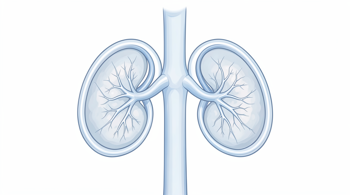
| Symptom Category | Typical Presentation | Mechanism |
|---|---|---|
| Edema | Swollen ankles, feet, and puffy eyes | Inability to regulate sodium and fluid balance |
| Urine Changes | Foamy texture or blood | Protein leakage or filtration barrier damage |
| Skin Health | Persistent dryness and itching | Electrolyte and mineral imbalance |
Systemic Symptoms: Fatigue and Anemia
The kidneys play a essential role in the production of erythropoietin, a hormone that stimulates the bone marrow to produce red blood cells 3. As kidney function declines, the production of this hormone decreases, frequently leading to anemia, which presents clinically as persistent fatigue, weakness, and a general lack of energy 6. Because these symptoms are vague and overlap with many other health conditions, they are often dismissed as the result of a busy lifestyle or stress 3.
Furthermore, the buildup of uremic toxins in the blood can contribute to cognitive effects, such as difficulty concentrating, often described as brain fog 3. These systemic signs often emerge as the disease progresses toward more advanced stages of renal failure, where the body's metabolic waste products are no longer being sufficiently cleared from the circulatory system 4.
Dermatological and Muscular Manifestations
Patients with advanced kidney disease may report dry, itchy skin that does not respond to standard topical treatments 6. This symptom is often a result of the kidneys' inability to maintain the correct balance of minerals and nutrients in the blood, leading to secondary mineral and bone disorders 7. When calcium and phosphorus levels become imbalanced, the body can also experience frequent and often painful muscle cramps, particularly in the lower legs 6.
These dermatological and musculoskeletal issues are frequently exacerbated by the body’s inability to activate vitamin D efficiently, which is a secondary function of healthy kidneys 2. While these symptoms are not exclusive to kidney disease, their persistence in the presence of other indicators should be discussed with a primary care provider to determine if metabolic renal testing is warranted 4.
Gastrointestinal and Respiratory Signs of Advanced Disease
As kidney disease reaches late-stage progression, waste products like urea can accumulate in the system to toxic levels, a condition known as uremia 6. This buildup frequently triggers gastrointestinal distress, including nausea, vomiting, and a significant loss of appetite 4. Patients may also experience shortness of breath, which can be caused by two distinct factors: the accumulation of fluid in the lungs due to inadequate filtration, or the systemic impact of anemia reducing oxygen delivery to the tissues 7.
At this stage, the condition is categorized as kidney failure or end-stage kidney disease, which requires medical intervention such as dialysis or transplantation to sustain life 3. The transition from chronic kidney disease to failure is typically a gradual process, but the presence of these advanced symptoms indicates that the kidneys have lost their ability to perform life-sustaining functions without external support 4.
Sources
- National Kidney Foundation: Signs and Symptoms of Kidney Disease (https://www.kidney.org/kidney-topics/signs-and-symptoms-kidney-disease)
- Mayo Clinic: Chronic Kidney Disease - Symptoms and Causes (https://www.mayoclinic.org/diseases-conditions/chronic-kidney-disease/symptoms-causes/syc-20354521)
- AdventHealth: What Are the Symptoms of Kidney Disease? (https://www.adventhealth.com/blogs/symptoms-of-kidney-disease)
- Cleveland Clinic: Kidney Failure (ESRD): Causes, Symptoms & Treatment (https://my.clevelandclinic.org/health/diseases/17689-kidney-failure)
- Prevention: 7 Subtle Symptoms of Kidney Disease Doctors Want You to Know (https://www.prevention.com/health/g71087982/kidney-disease-symptoms/)
- Acibadem Hospitals Group: Kidney Disease Symptoms: Possible Causes and When to Seek Care (https://acibademinternational.com/health-library/kidney-disease-symptoms-possible-causes-and-when-to-seek-care/)
- India Today: World Kidney Day: 5 early signs of chronic kidney disease you should never ignore (https://www.indiatoday.in/health/story/world-kidney-day-5-early-signs-of-chronic-kidney-disease-you-should-never-ignore-2879249-2026-03-12)
Authored by 24Trendz team