Warning signs of placental abruption: A clinical analysis of obstetric emergency indicators
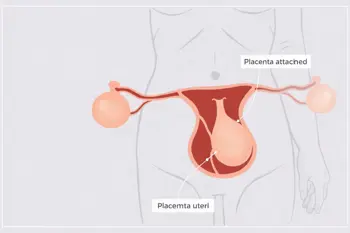
Placental abruption is defined as the premature separation of the placenta from the uterine wall before the completion of the second stage of labor 1. Occurring in approximately 0.4% to 1.0% of all pregnancies, this condition represents a leading cause of vaginal bleeding in the second half of gestation and is classified as a significant obstetric emergency 1, 6. Because the condition can lead to maternal hemorrhage, fetal compromise, or even mortality, rapid recognition of clinical symptoms is necessary to manage patient safety effectively 1, 3.
Common Clinical Presentations and Warning Signs
The most frequent indicators of placental abruption include vaginal bleeding, abdominal or back pain, and a tense or tender uterus 3, 4. While vaginal bleeding is a classic sign, it is important to note that it may be absent in cases of concealed hemorrhage, where blood remains trapped between the placenta and the uterine wall 2, 3. Consequently, the volume of external vaginal blood loss does not always accurately reflect the actual extent of placental separation or the total amount of blood lost within the uterus 2, 7.
Physical examination often reveals a uterus that is firm or rigid to the touch, and patients may report sudden, persistent discomfort in the abdomen or back 3, 4. Frequent, high-frequency contractions, sometimes described as uterine hyperactivity, are also common during an abruption event 4, 11. Because these symptoms can mimic other obstetric conditions, any patient experiencing these warning signs after 20 weeks of gestation requires immediate clinical assessment 2, 4.
Physiological Impacts and Diagnostic Complexities
When the placenta detaches prematurely, it interferes with the vital exchange of oxygen and nutrients to the fetus, which can lead to rapid fetal distress 3, 4. Clinical evaluation typically relies on a combination of symptom review, maternal examination, and continuous fetal heart rate monitoring 3, 4. Abnormalities in fetal heart rate are frequently observed as a direct physiological consequence of the separation 7. In cases of severe hemorrhage, the mother may also exhibit signs of shock, such as dangerously low blood pressure and elevated heart rate 2, 9.
Diagnostic imaging, specifically ultrasound, is standard for evaluating late-pregnancy bleeding, primarily to rule out other conditions like placenta previa 4, 7. However, it is essential to recognize that ultrasound technology does not detect every case of placental abruption 3, 4. Therefore, the diagnosis remains heavily dependent on the clinical judgment of medical professionals regarding the patient's symptoms and the overall stability of both the mother and the fetus 3, 7.
Risk Factors and Predisposing Conditions
While approximately 70% of placental abruption cases occur in individuals who are otherwise considered low-risk, certain factors have been linked to an increased likelihood of this complication 8. Obstetric and reproductive history, specifically a prior instance of placental abruption, serves as a significant predictive factor 8, 9. The recurrence risk is approximately 4.4% after one previous occurrence and increases to 19% to 25% following two previous events 8.
Environmental and lifestyle factors, including smoking and the use of substances such as cocaine and amphetamines, are also identified as contributors 3, 8. Additionally, physical trauma to the abdomen, whether resulting from accidental falls or interpersonal violence, can trigger the premature detachment of the placenta 2, 8. Hypertension and preeclampsia are further established medical risk factors that necessitate close monitoring of blood pressure and overall vascular health throughout the pregnancy 3, 9.
Management and Intervention Strategies
The management of placental abruption is highly individualized, depending on the severity of the separation, the gestational age of the pregnancy, and the stability of the maternal and fetal condition 3, 4. For mild cases with limited bleeding, a period of close observation may be implemented 4. However, significant abruptions, particularly those occurring near term or those showing signs of maternal or fetal instability, often necessitate urgent or emergent delivery 4, 9.
| Condition Aspect | Clinical Considerations |
|---|---|
| Primary Goal | Preservation of maternal and fetal health |
| Diagnostic Tools | Physical exam, fetal monitoring, ultrasound |
| Treatment Focus | Severity, gestation age, maternal-fetal status |
| Intervention | Observation vs. urgent delivery |
In stable clinical scenarios, vaginal delivery may be considered, though a cesarean section is frequently recommended if fetal distress is present or if the mother is hemodynamically unstable 9. In cases of preterm pregnancy, particularly those before 36 weeks, corticosteroids may be administered to assist with fetal lung maturation, provided there is time for the treatment to take effect before delivery is required 9.
Differential Diagnosis and Clinical Caution
Distinguishing placental abruption from other causes of late-pregnancy bleeding is a critical component of obstetric care 7. Other potential causes include placenta previa, vasa previa, uterine rupture, and the normal onset of labor marked by the passage of a mucus plug or bloody show 2, 5, 7. The bloody show associated with the start of labor is characterized by scant discharge mixed with mucus and does not typically present with the systemic distress associated with an abruption 2, 5.
Clinicians are advised to avoid digital cervical examinations in patients with suspected or confirmed placenta previa until an ultrasound has confirmed the location of the placenta, as such exams could exacerbate bleeding 7. Conversely, all cases of suspected placental abruption require prompt evaluation in a medical setting rather than home monitoring, as the condition can evolve rapidly from a manageable state to a critical emergency 4.
Long-term Outlook and Maternal-Fetal Outcomes
The outcomes of placental abruption are heavily influenced by the degree of detachment and the speed of medical response 4. Potential maternal complications include disseminated intravascular coagulation, a condition where blood clots form throughout the bloodstream, as well as kidney failure 2, 9. Fetal risks are equally severe, encompassing intrauterine growth restriction, preterm birth, fetal distress, and, in severe cases, stillbirth 2, 9.
Given the unpredictable nature of placental abruption, consistent prenatal care and the education of pregnant individuals regarding warning signs remain the primary defensive strategies 1, 4. Regular monitoring for chronic conditions like hypertension and the avoidance of known environmental risk factors are essential components of preventive care strategies in modern obstetrics 3, 8. Continued research into the pathophysiology of placental insufficiency remains a priority to further improve the prediction and management of this complex condition 1, 8.
Sources
- NCBI Bookshelf: Placental Abruption, StatPearls Publishing
- Merck Manual Professional Edition: Vaginal Bleeding During Late Pregnancy
- Acibadem Hospitals Group: Placental Abruption, An Evidence-Based Guide
- Acibadem Hospitals Group: Placental Abruption, Warning Signs and Care
- Merck Manual Consumer Version: Vaginal Bleeding During Late Pregnancy
- Osmosis: Placental Abruption Video and Pathophysiology Review
- American Family Physician: Late Pregnancy Bleeding (2025)
- Guideline Genius: Placental Abruption (RCOG Green-top Guideline No. 63)
- Wikipedia: Placental Abruption Clinical Data
- Mayo Clinic: Symptoms and Causes of Placental Abruption
- Johns Hopkins Medicine: Pregnancy Complications and Uterine Hyperactivity
Authored by 24Trendz team