Single dental implant price list in the United States: An analytical breakdown of 2026 market data
In 2026, the national average cost for a complete single dental implant in the United States reached approximately $4,507 1. While general estimates for the procedure often range from $2,005 to $5,255 depending on the provider and location, patients frequently encounter total costs spanning between $3,000 and $6,000 when accounting for the entire restorative process 2, 9. Understanding these figures requires a closer look at the constituent components of the procedure and the regional market dynamics that drive such significant variance in pricing 1.
Defining the Cost Components of a Dental Implant
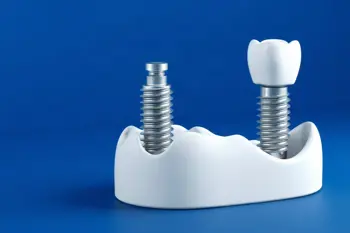
A dental implant is a complex surgical restoration consisting of three distinct parts: a titanium or zirconia post surgically anchored into the jawbone, an abutment that acts as a connector, and a prosthetic crown 2. Many price quotes only reflect the cost of the surgical placement of the post itself, leading to potential confusion for patients when they receive separate billing for the abutment and crown components 2. Comprehensive treatment often necessitates multiple stages occurring over a 4 to 9 month period, including extraction, osseointegration, and final prosthetic fitting 2.
Beyond the primary components, diagnostic expenses are a standard addition to the total financial burden. Pre-surgical planning frequently requires 3D CT scans, which can add $200 to $500 to the overall treatment plan 5, 14. Additionally, if a patient requires preparatory surgeries such as a bone graft to strengthen the site or a sinus lift to create space, the total investment can increase by an additional $600 to $3,000, depending on the severity of the bone loss and the complexity of the required surgical intervention 5, 14.
Regional Market Variations and Price Disparities
Geographic location serves as one of the most significant predictors of the final price for a dental implant. Data from 2026 indicates a 52% difference in costs between states, with California averaging $5,733 compared to $3,759 in Alabama 1. Even more pronounced is the city-level variation, where market pressures can drive prices as low as $3,000 in regions like Flint, Michigan, and as high as $5,500 in major metropolitan hubs such as New York City 1, 14.
These discrepancies are driven by local overhead costs, competition, and the concentration of specialized practitioners within specific urban areas 14. High-cost metropolitan centers typically feature elevated labor and real estate expenses that influence the fee structure for both general dentists and specialists 14. Consequently, prospective patients often find that regional economic factors are as influential as the choice of dental provider when evaluating the total expected cost for a single-tooth replacement 1, 3.
Professional Expertise and Clinical Considerations
The type of professional performing the implant procedure plays a measurable role in the final fee structure. Oral surgeons and periodontists, who possess specialized training in surgical placement, may command higher fees compared to general dentists who also perform these procedures 2. These specialists are often equipped to handle more complex cases involving anatomical challenges or advanced surgical requirements, which may justify the variation in professional service costs 2, 7.
| Factor | Typical Cost Impact |
|---|---|
| 3D Imaging/CT Scan | $200 - $500 |
| Bone Grafting | $300 - $3,000 |
| Sinus Lift | $1,500 - $3,000 |
| IV Sedation | $300 - $800 |
| Temporary Prosthesis | $500 - $1,500 |
Furthermore, the material choice for the final crown-typically either porcelain-fused-to-metal (PFM) or high-strength zirconia-can influence the lab fees associated with the procedure 10. While titanium remains the industry standard for the implant post, clinical decisions regarding the biocompatibility and esthetic requirements of the final restoration often lead to different price points within the same dental practice 2, 10.
Insurance Coverage and Financial Realities
Navigating the financial landscape of dental implants is complicated by the nature of dental insurance. Many standard plans are designed for preventative and basic restorative care rather than major surgical procedures 4. While some policies provide coverage for the crown portion of the implant, the surgical component involving the titanium post is frequently excluded from traditional benefit schedules 4, 14. Medicare, which has excluded routine dental care since 1965, does not contribute to the costs of these procedures, leaving the majority of patients responsible for out-of-pocket payments 11.
Because of these coverage gaps, many patients rely on third-party healthcare financing platforms to manage the expense of the treatment over time 3. These programs allow for installment-based payments, which can help bridge the gap between high upfront treatment costs and available personal capital 3, 9. Understanding that these costs are primarily borne by the patient is a critical step in the research process for anyone considering a dental implant 3.
Maintenance and Long-Term Value
When evaluating the total cost, it is also essential to consider the longevity of the treatment. Dental implants are recognized as the most durable tooth replacement option, frequently lasting 20 years or more with proper clinical maintenance and daily oral hygiene 2. Unlike dental bridges, which require the alteration of adjacent healthy teeth and may require replacement within a shorter timeframe, implants are designed to integrate directly with the bone structure 2. This durability is a factor in the long-term cost-benefit analysis for many patients 2.
However, the success of the implant depends on careful patient compliance with post-operative instructions and regular professional check-ups. Factors such as smoking and poorly managed gum disease can undermine the success of the implant, potentially leading to further costs for corrective procedures or replacement 4, 9. Therefore, the total cost of ownership for a dental implant includes not only the initial surgical and restorative fees but also the ongoing commitment to maintain oral health to ensure the longevity of the device 2.
Sources
- Real Dental Costs: State of U.S. Dental Costs 2026 Data Report
- Pearl: Dental Implant Cost National Average All-In
- CareCredit: Health and Wellness Financing Guidelines
- Delta Dental: Dental Coverage and Implant Policy Information
- Authority Dental: Preparatory Procedure Costs
- Dental Roundup: 2026 Cost Guide
- NewMouth: Professional Fee Structures for Implants
- ValuePenguin: Metropolitan Area Price Analysis
- Dental Implant Insights: Patient Financial Considerations
- Dentaly: Material Impact on Implant Costs
- 24/7 Wall St.: Financial News on Medicare and Dental Costs
- Healthline: General Dental Implant Cost Statistics
- WebMD: Clinical Procedure Breakdown
- Cleveland Clinic: Diagnostic Imaging and Pre-Surgical Costs
Authored by 24Trendz team