Effective ways to manage sinus pressure symptoms naturally: An evidence-informed clinical guide
Effective ways to manage sinus pressure symptoms naturally generally focus on reducing nasal irritation, improving mucus flow, and easing facial discomfort. Saline rinses, hydration, humidified air, warm compresses, rest, and head elevation may help some people, but these measures do not replace evaluation when symptoms are severe, persistent, or recurrent.
Why sinus pressure develops
Sinus pressure is usually a symptom of swelling and blockage in the nasal and sinus passages. Inflammation can narrow the small drainage pathways, making mucus harder to clear and producing fullness, aching, reduced smell, postnasal drip, or discomfort around the cheeks, forehead, eyes, and bridge of the nose. Colds, allergies, airborne irritants, bacterial or fungal infections, nasal polyps, and structural issues such as a deviated septum can contribute to the same sensation. 1
The cause influences how much benefit a natural measure can provide. Short-lived pressure associated with a viral cold or seasonal allergies often improves as inflammation settles, while repeated or chronic symptoms may reflect ongoing allergy exposure, nasal inflammation, or an anatomical problem. Sinus pressure should therefore be treated as a symptom rather than a diagnosis, particularly when facial pain is severe or symptoms continue beyond the expected course. 2
Use saline irrigation carefully
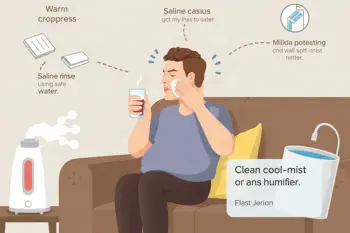
Saline nasal irrigation can flush mucus, allergens, and other irritants from the nasal passages while adding moisture to the tissues. Saline sprays provide a gentler option, whereas a squeeze bottle or neti pot delivers a larger volume. The American Academy of Otolaryngology Head and Neck Surgery Foundation includes nasal saline irrigation and topical saline among supportive treatments for sinusitis. 7
Water safety is essential. Irrigation devices should contain distilled, sterile, or previously boiled water that has cooled, because untreated tap water can carry organisms capable of causing serious infection. Devices also require careful cleaning after use. People with frequent nosebleeds, recent nasal surgery, or significant immune problems should ask a clinician before irrigating, since the technique may not be appropriate in every situation. 1
Hydration, warmth, and humidity
Regular fluid intake may help keep nasal secretions thinner and easier to clear, although hydration does not cure an underlying viral, allergic, or bacterial cause. A warm, clean washcloth placed over the cheeks, forehead, or nose may temporarily ease facial pressure. These measures address comfort and mucus consistency rather than eliminating the inflammation that produced the symptoms. 3
Humidified air may reduce irritation caused by dry indoor conditions. A cool-mist humidifier is generally preferable to exposure to very hot steam, but the device needs regular cleaning to limit mold and microbial growth. Steam inhalation can provide short-term comfort for some people by moistening tissues and loosening thick mucus, yet evidence that it speeds recovery is limited, and leaning over boiling water creates a burn hazard. 10
Reduce irritation and improve drainage
Smoke, vaping aerosol, strong fragrances, pollutants, and other airborne irritants can aggravate swollen nasal tissues. Avoiding these exposures may reduce additional irritation while the original cold or allergy flare improves. People who notice a seasonal pattern can also record likely triggers, such as pollen or abrupt changes in temperature and humidity, to help identify whether recurring pressure is more consistent with allergy-related inflammation. 6
Sleeping with the head elevated may support drainage and reduce nighttime congestion, especially when pressure and postnasal drip interfere with rest. Rest itself does not directly open blocked sinus passages, but it can make a short-lived respiratory illness easier to tolerate. A practical routine may combine saline spray or safe irrigation, adequate fluids, a warm compress, and head elevation rather than relying on one measure alone. 8
Understand the limits of natural remedies
Natural measures are primarily supportive. Saline, humidity, warmth, and fluids may lessen congestion or discomfort, but they do not treat every cause of sinus pressure. Steam cannot cure a bacterial infection, allergies, or a structural obstruction. Similarly, kitchen remedies, herbs, and essential oils should not be assumed effective solely because they are described as holistic. Complementary approaches for sinusitis have limited evidence, and nonstandard treatments should be discussed with a healthcare professional. 9
Unnecessary antibiotics are not appropriate for every episode because many short-term sinus infections are viral and improve without them. Persistent symptoms can also be mishandled when repeated self-treatment masks an allergy problem or chronic sinus disease. Overuse of medicated nasal decongestant sprays can worsen congestion through rebound effects, so product directions and clinician advice matter even when the broader goal is to manage symptoms without decongestants. 2
When medical assessment is necessary
Medical evaluation is warranted when symptoms last more than about 10 days without improvement, become severe, or worsen after initially getting better. High fever, pronounced facial pain, or repeated episodes can indicate a need to identify the underlying cause rather than continue home care. Clinicians may assess the nose and face and, for persistent cases, consider imaging or allergy testing. 2
Urgent care is important for swelling or redness around the eyes, vision changes, severe headache, stiff neck, confusion, shortness of breath, or high fever. These warning signs may indicate complications or another condition requiring prompt assessment. Natural symptom relief can be used alongside appropriate medical care, but it should not delay evaluation when symptoms are severe, one-sided, recurrent, or associated with changes around the eyes or neurological symptoms. 4
Sources
- U.S. Food and Drug Administration
- Centers for Disease Control and Prevention
- Mayo Clinic
- Cleveland Clinic
- U.S. National Library of Medicine, MedlinePlus
- National Health Service
- American Academy of Otolaryngology Head and Neck Surgery Foundation
- Johns Hopkins Medicine
- National Center for Complementary and Integrative Health
- Harvard Health Publishing
Authored by 24Trendz team