Home Care for a Sensitive Stomach: A Comprehensive Analysis of Digestive Management Strategies
A sensitive stomach is a general term often describing persistent digestive reactivity, including symptoms like bloating, nausea, gas, and irregular bowel movements. 7 Because this condition is not a single medical diagnosis, management requires a multifaceted approach involving lifestyle adjustments, dietary modifications, and careful monitoring of individual triggers. 7 Understanding the physiological factors, such as gastric motility, gut microbiome balance, and intestinal sensitivity, allows for more effective daily management of digestive discomfort. 7 While home-based strategies can alleviate common symptoms, persistent or worsening digestive issues warrant professional clinical assessment to rule out underlying medical conditions. 1
Dietary Strategies for Digestive Comfort
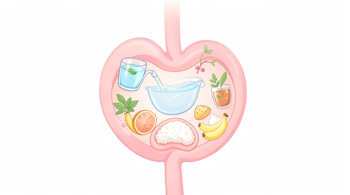
Dietary modification remains a primary pillar for those seeking to reduce digestive irritation. Many individuals identify specific links between symptoms and the consumption of wheat products, fatty or fried foods, and caffeine. 2 Adopting a bland diet that emphasizes easy-to-digest, low-fiber, and low-fat foods can help reduce the workload on the gastrointestinal tract during flare-ups. 3 Common components of this approach include bananas, rice, applesauce, and toast, which are staples often recommended for their gentle impact on a reactive digestive system. 3
For some, consuming smaller, more frequent meals throughout the day instead of three large meals can improve comfort by preventing the stomach from becoming overwhelmed. 5 Additionally, increasing fiber intake is a common recommendation to improve bowel regularity; however, this must be done gradually. 5 Introducing high-fiber foods too rapidly can trigger significant gas and bloating, potentially exacerbating the very symptoms the change was intended to resolve. 7 Keeping a food-and-symptom diary can assist individuals in identifying personal triggers, which vary significantly from person to person. 7
The Role of Hydration in Gut Health
Fluid intake is essential for maintaining proper digestive function, particularly when dealing with acute upset. Dehydration is a frequent cause of stomach pain, as the body requires sufficient water to effectively digest and move food through the digestive tract. 1 Mild dehydration can lead to cramps, nausea, and constipation, creating a cycle of discomfort that is often easily remedied through adequate hydration. 1 During episodes of diarrhea or vomiting, the loss of fluids and essential electrolytes-such as potassium and sodium-becomes a critical concern. 3
In instances of active nausea or illness, small, frequent sips of room-temperature water or broth are generally preferred over large volumes of liquid, which may trigger further vomiting. 1 Herbal teas, specifically chamomile, are frequently cited for their potential anti-inflammatory properties, providing a soothing effect on the stomach. 1 Ginger is another widely utilized natural remedy for nausea and general digestive upset, available in various formats including fresh root, tea, and extracts. 1 However, individuals on anticoagulant medication should consult a provider before using ginger, as it may increase the risk of bleeding. 1
Managing Lifestyle and Environmental Triggers
Beyond food choices, daily habits significantly influence how the stomach functions. For those experiencing acid reflux or heartburn, avoiding meals shortly before bedtime and remaining in an upright position after eating can help mitigate symptoms. 7 Stress management is another critical, yet often overlooked, component of digestive health. 1 Given the complex connection between the brain and the gut, techniques such as deep breathing, regular light physical activity, and ensuring adequate sleep can contribute to a more stable digestive environment. 5
Physical activity, even in modest amounts like daily walks, supports colonic transit and can help reduce the prevalence of constipation. 8 For aging adults, where gastric motility naturally slows, maintaining a consistent routine-including scheduled bathroom breaks-can take advantage of the gastrocolic reflex to improve regularity. 8 Furthermore, dental health plays a role in digestion; chewing food thoroughly before swallowing reduces the mechanical burden on the stomach, facilitating easier digestion. 5
Understanding Medical Indicators and When to Seek Care
While many digestive issues can be managed through home-based strategies, recognizing the signs that professional intervention is required is vital. Symptoms such as persistent or severe abdominal pain, unexplained weight loss, difficulty swallowing, or fainting require immediate medical evaluation. 7 The presence of blood in the stool or black, tarry stools is a significant alarm feature that necessitates urgent clinical attention. 7 Additionally, if an individual cannot keep liquids down or shows signs of severe dehydration, such as significant lethargy or lack of urine output, medical support is essential to prevent complications. 3
When home care fails to resolve symptoms within the expected timeframe of a typical minor illness, such as a stomach virus which usually peaks within 48 hours, consulting a healthcare provider is the appropriate next step. 6 It is important to note that many digestive conditions, such as functional dyspepsia, require clinical diagnostic workups to rule out more serious pathology. 2 Proactive management, guided by a physician, ensures that home care remains a safe and effective component of a broader health strategy rather than a replacement for necessary clinical care. 8
Specialized Dietary Protocols
For individuals with specific conditions like irritable bowel syndrome, structured dietary trials may be recommended. The low-FODMAP diet is one such approach, which involves identifying and temporarily eliminating fermentable carbohydrates that often trigger bloating and gas. 7 This process is not intended to be a long-term restrictive diet; rather, it is a diagnostic tool designed to help individuals systematically reintroduce foods to pinpoint their specific sensitivities. 7 Engaging a dietitian during this process is highly advised to ensure nutritional adequacy and to avoid unnecessary, long-term dietary restriction. 7
Probiotic supplementation is another area of interest for sensitive stomach management. While some strains of beneficial bacteria can assist in balancing the gut microbiome, others may act as aggressive fermenters, potentially increasing gas production and discomfort. 4 Therefore, strain selection is critical, and individuals should approach new supplements with caution, starting with low doses and monitoring for any increase in digestive reactivity. 4 Because evidence on many over-the-counter gut health products is limited, relying on the guidance of a healthcare professional when selecting supplements can prevent the exacerbation of symptoms. 2
Supporting Digestive Health in Aging Adults
Digestive health in older adults presents unique considerations, as physiological changes often compound the risk of gastrointestinal issues. Reduced gastric acid secretion can impair the absorption of vital nutrients like iron, calcium, and vitamin B12, making the quality of the diet particularly important. 8 Furthermore, medications commonly prescribed to seniors, including calcium channel blockers and opioids, are known to alter digestive motility and contribute to chronic constipation. 8 Caregivers can support better outcomes by monitoring medication timing and ensuring that environmental factors promote healthy digestion.
Strategies for seniors emphasize a combination of high-fiber intake-targeting 22 to 34 grams daily-and sufficient fluid consumption to prevent constipation. 5 When combined with assistance in meal planning, grocery shopping, and the encouragement of light daily activity, these interventions help maintain gastrointestinal function and overall quality of life. 5 As with all populations, the primary goal of these home-based interventions is to provide steady, predictable support for the digestive system while maintaining vigilance for changes that require clinical intervention. 8
Sources
- Verywell Health: 13 Natural Ways to Ease Stomach Pain Naturally
- InformedHealth.org: Functional dyspepsia: What can help?
- Health.com: 10 Best Foods To Eat When You Have an Upset Stomach
- Wonderbiotics: Probiotics for Sensitive Stomach
- Home Care Powered By AUAF: Digestive Health Tips for Seniors
- BSWHealth: What to do when you have a stomach bug
- National Institute of Diabetes and Digestive and Kidney Diseases: Indigestion Treatment
- Dr. Gina Sam Gastroenterologist: Gut Health in Aging Adults
Authored by 24Trendz team