Warning signs of pulmonary embolism: Clinical symptoms, severity signals, and emergency guidance
The warning signs of pulmonary embolism include sudden or unexplained shortness of breath, chest pain that may worsen with deep breathing or coughing, coughing sometimes accompanied by blood-streaked mucus, dizziness, fainting, and a fast or irregular heartbeat. Because a pulmonary embolism can be fatal, these symptoms require urgent medical assessment rather than self-diagnosis. 1
Recognizing the main breathing symptoms
Sudden shortness of breath is one of the most common warning signs. It may occur while resting or during exertion and can range from mild breathlessness to severe difficulty breathing. The symptom results from a clot blocking blood flow through part of the lung, reducing the circulation available for oxygen exchange. A sudden change that cannot be explained by ordinary activity, especially when accompanied by chest discomfort, warrants medical evaluation. 3
Chest pain linked to pulmonary embolism is often sharp or stabbing and may become worse when breathing deeply, coughing, or bending. This pattern is sometimes mistaken for a heart attack or another lung condition because symptoms overlap. Coughing may occur with or without bloody mucus, and the combination of sudden breathlessness, pleuritic chest pain, and cough is particularly concerning. 7
Signs that may indicate severe illness
A fast or irregular heartbeat can occur when the cardiovascular system responds to reduced blood flow in the lungs. Other possible signs include light-headedness, dizziness, fainting, rapid shallow breathing, low blood pressure, and low oxygen levels. These findings can reflect strain on the heart or impaired circulation, although symptoms alone cannot determine the clot’s size or severity. 1
Confusion, cold or clammy skin, severe weakness, bluish lips or nails, or collapse are especially serious signs. They may indicate shock or inadequate oxygen delivery. A person with severe breathing difficulty, chest pain, fainting, confusion, or signs of shock should have emergency services contacted and should not drive themselves. 6
Leg symptoms that can precede a pulmonary embolism
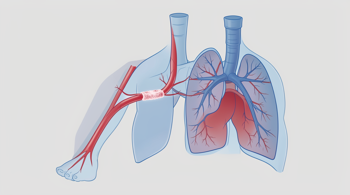
Many pulmonary embolisms begin with deep-vein thrombosis, or DVT, most commonly involving a deep vein in the leg or pelvis. A clot can break loose, travel through the bloodstream, and lodge in a pulmonary artery. DVT symptoms may appear before the breathing symptoms or at the same time, so a new one-sided leg problem can be an important warning context. 2
Possible DVT signs include swelling in one leg, pain or tenderness that may resemble a cramp, warmth, redness, or other discoloration. The affected leg may look or feel different from the other leg. Leg symptoms do not prove that a pulmonary embolism is present, but they should be reported promptly, particularly when they occur with sudden chest or breathing symptoms. 5
- Swelling or enlargement on one side
- Localized pain, tenderness, or cramping
- Warmth, redness, or discoloration
Why symptoms can be difficult to interpret
The intensity of pulmonary embolism symptoms varies with the size and number of clots, the portion of lung affected, and a person’s existing heart or lung health. Some people experience dramatic symptoms, while others notice only mild breathlessness, chest discomfort, fatigue, or cough. Therefore, the absence of severe symptoms does not exclude the condition. 3
Pulmonary embolism symptoms can resemble pneumonia, anxiety, a heart problem, or other respiratory disorders. Back, neck, shoulder, or jaw pain, sweating, fever, and clammy or discolored skin have also been reported. These symptoms are not specific enough to establish a diagnosis, but sudden onset or an unexplained combination should be treated as a medical concern. 8
Risk factors that change the level of concern
The likelihood of a blood clot rises in several medical and life situations. Relevant risk factors include recent surgery or hospitalization, prolonged bed rest or immobility, long plane or car travel, active cancer, a previous clot, a family or personal clotting disorder, and some heart conditions. Estrogen-containing birth control or hormone therapy can also increase clot risk. 4
Pregnancy and the period after childbirth are additional contexts in which clot risk may be elevated. Severe injury, burns, fractures, and extended inactivity can also contribute. Risk factors do not establish that a pulmonary embolism exists, and a person without an obvious risk factor can still develop one. Symptoms, timing, medical history, and examination must be considered together. 4
| Warning pattern | Why it matters |
|---|---|
| Sudden breathlessness | May reflect abrupt obstruction of lung blood flow |
| Chest pain worsened by breathing | Common pulmonary embolism pattern, but not specific |
| Coughing blood | Requires urgent medical assessment |
| One-sided leg swelling or pain | May indicate the underlying DVT |
How pulmonary embolism is assessed
Symptoms cannot confirm or rule out pulmonary embolism by themselves. Clinicians typically review the symptom pattern, personal health history, and potential clot risks, then examine breathing, heart activity, blood pressure, oxygenation, and the legs for evidence of DVT. The overlap with other conditions makes professional assessment important even when symptoms appear limited. 3
Testing may include a D-dimer blood test, electrocardiography, leg ultrasound, and CT pulmonary angiography. CT pulmonary angiography is commonly used to examine the pulmonary blood vessels with contrast. Treatment can include anticoagulant medication, while severe cases may require procedures or surgery. The appropriate approach depends on how the clot affects the heart and lungs. 1
What to do when warning signs appear
Sudden unexplained breathlessness, sharp chest pain, coughing blood, a racing or irregular heartbeat, severe dizziness, or fainting should be treated as possible emergency symptoms. Emergency services should be contacted when breathing is severely impaired, consciousness is affected, or signs of shock appear. The person should avoid driving, because deterioration can occur during travel and medical teams can begin support more safely. 9
Less dramatic symptoms still deserve clinical attention when they are new, unexplained, or associated with a clot-risk situation. A healthcare professional may need to distinguish pulmonary embolism from heart, lung, or anxiety-related conditions using examination, blood testing, and imaging. Early recognition matters because pulmonary embolism is treatable, but untreated disease can become life-threatening. 10
Sources
- American Heart Association
- Cleveland Clinic
- American Lung Association
- Penn Medicine
- Centers for Disease Control and Prevention
- National Heart, Lung, and Blood Institute
- MedlinePlus
- Mayo Clinic
- NHS
- Johns Hopkins Medicine
Authored by 24Trendz team