Warning signs of high cholesterol: What symptoms can and cannot reveal
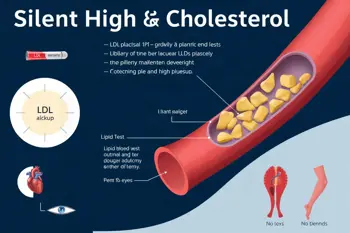
Warning signs of high cholesterol can be difficult to recognize because the condition usually causes no physical symptoms. In many cases, a person may feel healthy while LDL cholesterol contributes to plaque buildup inside the arteries, making a blood test more informative than appearance or day-to-day sensations. 1
Why high cholesterol is often silent
Cholesterol is a naturally occurring fatty substance used to build cell walls and produce certain hormones. The body makes the cholesterol it needs, while LDL carries cholesterol through the bloodstream and can contribute to atherosclerosis when levels are elevated. Atherosclerosis may narrow or block arteries supplying the heart and brain, increasing the risk of coronary artery disease, heart attack, and stroke. 1
High blood cholesterol is therefore a long-term risk factor rather than an illness that usually produces an immediate sensation. NCBI’s InformedHealth.org identifies LDL as the main cholesterol type associated with cardiovascular disease and notes that personal risk also depends on factors such as blood pressure and blood sugar. 2
- Feeling well does not rule out high cholesterol. 3
- A lipid panel is the reliable method used to measure cholesterol levels. 4
Visible signs linked to severe cholesterol disorders
Visible cholesterol deposits can occur, but they are not typical warning signs for most people with elevated cholesterol. Xanthomas are fatty, yellowish deposits that may appear as bumps under the skin, particularly in people with severe or inherited cholesterol disorders. A gray or white ring around the cornea, called corneal arcus, can also be associated with long-standing or genetically influenced high cholesterol, although appearance alone cannot establish a diagnosis. 4
These findings require clinical interpretation because similar changes may have causes unrelated to cholesterol. AARP reports that very high cholesterol levels can produce cholesterol buildup in the eyes and tendons detectable during a physical examination, but emphasizes that most people with high cholesterol do not have these findings. 4
- Yellowish skin or tendon deposits may warrant medical assessment, especially with a family history of early heart disease. 11
- An eye ring is not a substitute for laboratory testing. 4
Chest symptoms and reduced blood flow
Chest pain or pressure can signal that plaque has narrowed the coronary arteries and restricted blood flow to the heart. Shortness of breath or unusual fatigue during routine activity may also occur when cardiovascular disease affects the heart’s ability to meet the body’s demands. These symptoms reflect possible complications of artery disease, not a direct sensation caused by cholesterol circulating in the blood. 5
Symptoms associated with reduced blood flow should be evaluated in context because they can have many possible causes. Harvard Health explains that LDL-related plaque can slow or stop blood flow to vital organs, especially the heart and brain, and that coronary atherosclerosis can result in a heart attack. 1
- Chest discomfort, pressure, or breathlessness with exertion can require prompt medical evaluation. 5
- Sudden or severe chest symptoms should be treated as an emergency rather than attributed to cholesterol alone. 5
Leg pain and circulation warning signs
Peripheral artery disease can develop when plaque narrows arteries that supply the legs. A typical symptom is pain or cramping during walking or other physical activity that improves with rest. Numbness, weakness, or reduced circulation in a limb may also be relevant. These symptoms indicate impaired blood flow and should not be interpreted as proof that cholesterol is high without appropriate examination and testing. 6
Peripheral artery disease is one of the vascular conditions associated with atherosclerosis. High LDL cholesterol is one contributor to plaque formation, but clinicians also consider other cardiovascular risks, including diabetes, smoking, blood pressure, family history, and physical activity patterns. 2
- Recurring exertional leg cramping deserves medical assessment. 6
- Persistent numbness, weakness, or major changes in limb color require prompt attention. 6
Stroke-like symptoms require emergency action
Sudden dizziness, loss of balance, slurred speech, facial weakness, or weakness or numbness affecting one side of the body can be warning signs of a stroke. A stroke may occur when plaque-related disease contributes to blockage in arteries supplying the brain. These neurological symptoms are not routine symptoms of high cholesterol itself, and emergency evaluation is necessary because treatment decisions depend on the cause and timing. 7
Harvard Health describes how atherosclerosis affecting arteries that supply the brain can cause a stroke. The presence of a stroke-like symptom does not identify cholesterol as the cause, but it does indicate a potentially serious interruption of brain blood flow. 1
- Sudden speech difficulty or facial drooping should be treated as an emergency. 7
- New balance problems, severe dizziness, or one-sided weakness require urgent assessment. 7
Testing, risk factors, and interpretation
The dependable way to determine whether cholesterol is elevated is a blood test, generally a lipid panel measuring total cholesterol, LDL cholesterol, HDL cholesterol, and triglycerides. Total cholesterol alone does not provide the complete risk picture, because a high total result may reflect HDL, while LDL is the principal treatment concern. Goals vary according to medical history and overall cardiovascular risk. 3
Risk assessment may include family history, diabetes, kidney disease, blood pressure, blood sugar, smoking, obesity, diet, and physical activity. People with very high LDL cholesterol or relatives who developed heart disease early may need discussion of inherited cholesterol disorders and individualized treatment. Lifestyle changes and medication may both be considered, depending on risk and test results. 8
- Headache, dizziness, or fatigue alone should not be assumed to indicate high cholesterol. 5
- Routine testing matters because high cholesterol commonly produces no symptoms. 3
- Chest pain, breathing difficulty, or sudden neurological changes require urgent medical care, regardless of cholesterol status. 7
Sources
- Harvard Health, High Cholesterol (Hypercholesterolemia)
- NCBI Bookshelf, Overview: High cholesterol
- FamilyDoctor.org, High Cholesterol
- AARP, Warning Signs of High Cholesterol
- Mayo Clinic, High blood cholesterol symptoms and causes
- American Heart Association, About Cholesterol
- MedlinePlus, Cholesterol
- Acibadem Hospitals Group, High Cholesterol: Heart Risk, Blood Tests and Treatment Goals
- British Heart Foundation, High cholesterol
- National Heart, Lung, and Blood Institute, High Blood Cholesterol
- Cleveland Clinic, High Cholesterol
Authored by 24Trendz team