Symptoms that may point to vitamin D deficiency: Clinical Signs, Testing, and Interpretation
Symptoms that may point to vitamin D deficiency include persistent fatigue, bone or muscle discomfort, weakness, and low mood, but these complaints do not confirm a diagnosis. Vitamin D deficiency is frequently silent, and a blood test is generally needed to establish whether levels are low. 1
Why symptoms can be difficult to recognize
Vitamin D supports calcium absorption, bone mineralization, muscle movement, nerve signaling, and immune function. When levels are inadequate, effects may develop gradually rather than as one distinctive illness. Some people have no symptoms, while others report tiredness, generalized aches, or reduced physical capacity. Because these findings overlap with sleep problems, other nutritional deficiencies, chronic illness, and mood disorders, symptoms alone cannot identify vitamin D deficiency. 2
Population evidence also shows why symptoms should be interpreted cautiously. A 2025 analysis reported that more than 20% of U.S. adults were at risk of vitamin D insufficiency or deficiency, while other studies have reported higher totals. However, a low laboratory value does not automatically prove that every symptom is caused by vitamin D. Clinical assessment remains important, especially when complaints are persistent or worsening. 3
Bone pain and reduced bone strength
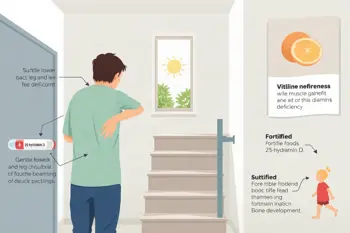
Diffuse bone pain is one of the more clinically meaningful signs associated with significant deficiency. The discomfort may involve the lower back, hips, legs, or other areas and can reflect osteomalacia, a condition in which adult bones are inadequately mineralized. Vitamin D deficiency can also contribute to osteoporosis and fragile bones, increasing concern about fractures when weakness or skeletal discomfort is present. 1
Bone symptoms may be subtle at first and are not necessarily sharp or localized. A person may instead notice aching during ordinary activity, reduced tolerance for walking, or discomfort that persists without an obvious injury. These patterns warrant medical evaluation rather than self-diagnosis because bone pain has many possible causes, including musculoskeletal disease and other disorders affecting mineral balance. 4
Muscle weakness and movement difficulties
Muscle weakness is another recognized manifestation, particularly when deficiency is clinically significant. Practical clues can include difficulty climbing stairs, rising from a chair, walking longer distances, or maintaining balance. In older adults, reduced strength may contribute to falls, which can have greater consequences when bone mineralization is already impaired. 5
Muscle aching and weakness are not interchangeable. General soreness can follow exertion or injury, whereas vitamin D-related weakness may appear as reduced power in the hips and legs or a noticeable decline in routine mobility. Medical sources associate vitamin D deficiency with both muscle weakness and bone pain, but neither symptom is specific enough to establish the cause without appropriate testing. 6
Fatigue, mood, and immune-related complaints
Fatigue is frequently mentioned in accounts of low vitamin D, particularly when tiredness persists despite ordinary rest. Low mood and mood changes have also been associated with deficiency. These symptoms may point toward a need for broader health assessment, but they are nonspecific and can result from many medical, psychological, lifestyle, or sleep-related conditions. 7
Some sources describe more frequent infections or reduced immune resilience among people with low vitamin D, reflecting the vitamin’s role in immune function. However, the evidence linking vitamin D status with infection frequency is mixed, and repeated colds alone do not demonstrate deficiency. A pattern involving fatigue, weakness, bone discomfort, and relevant risk factors is more informative than any single general symptom. 4
Severe deficiency and symptoms in children
Prolonged, severe deficiency can produce osteomalacia in adults, with genuine bone pain, impaired mobility, and difficulty walking or climbing stairs. Low calcium associated with severe deficiency may also lead to muscle cramps, spasms, tingling, or, in extreme cases, seizures. These findings require clinical attention because they can indicate a broader disturbance in mineral regulation. 1
Children can develop rickets when vitamin D deficiency disrupts normal bone development. Possible findings include soft skull bones, delayed motor milestones, abnormal bone growth, bowed legs, bone pain, and skeletal deformity. Breastfed infants are a recognized concern because breast milk contains little vitamin D, and medical guidance may recommend supplementation from birth. 2
Who may have a higher likelihood of deficiency
Limited sunlight exposure is a common contributor, particularly when dietary intake is also low. Higher-risk circumstances include rarely being outdoors, covering most skin outdoors, having darker skin, older age, obesity, digestive disorders that reduce absorption, and previous bariatric surgery. Certain liver, kidney, hereditary, and medication-related conditions can also interfere with vitamin D metabolism or activation. 3
Risk factors do not prove that a person is deficient, and the absence of a risk factor does not exclude it. Diet can provide vitamin D through fortified foods, fatty fish, egg yolks, liver, and some other sources, while sunlight enables the skin to produce vitamin D3. Safe exposure and dietary choices must be considered in the context of skin protection, geography, season, and individual health. 2
Testing and interpreting possible deficiency
The standard assessment is a blood measurement of 25-hydroxyvitamin D, also written as 25(OH)D or 25-OH vitamin D. Merck identifies this measurement as the diagnostic test, while clinical sources emphasize that testing is especially useful when symptoms or established risk factors are present. Laboratory interpretation can vary, so results should be reviewed with a qualified clinician rather than judged from symptoms alone. 1
High-dose supplementation should not be started solely because of fatigue or aches. Treatment commonly involves oral vitamin D, with calcium or phosphate addressed when clinically necessary, but the appropriate approach depends on the measured level, underlying cause, age, medical conditions, and possible absorption problems. Persistent pain, marked weakness, repeated falls, childhood growth or skeletal concerns, or symptoms suggesting low calcium require medical assessment. 8
Sources
- Merck Manual Professional Edition, Vitamin D Deficiency and Dependency
- Merck Manual Consumer Version, Vitamin D Deficiency
- Acibadem Hospitals Group, Signs of Vitamin D Deficiency Explained
- Curate, Vitamin D Deficiency Symptoms: What to Look For
- National Institutes of Health Office of Dietary Supplements, Vitamin D Fact Sheet for Health Professionals
- MedlinePlus, Vitamin D Deficiency
- Mayo Clinic, Vitamin D Deficiency: Symptoms and Causes
- NHS, Vitamins and Minerals: Vitamin D
Authored by 24Trendz team