Ways to manage knee pain at home: Clinical perspectives on conservative care and symptom relief
Understanding the Mechanics of Knee Discomfort
Knee pain is a prevalent health concern, affecting approximately 25% of adults in the United States 1. As the largest and most complex joint in the human body, the knee serves as a primary shock absorber, supporting body weight during daily activities such as walking, bending, and climbing stairs 1, 2. Discomfort often arises from a variety of sources, including acute injuries like ligament tears, degenerative conditions such as osteoarthritis, or repetitive strain injuries like tendinitis and bursitis 1, 2. Recognizing the underlying cause is a critical step in determining the most appropriate management strategy for long-term joint health 2.
While significant injuries necessitate clinical evaluation, many minor aches and instances of chronic wear and tear can be addressed through proactive, conservative home management 2, 3. The goal of these measures is to reduce inflammation, improve joint stability, and maintain range of motion without immediately resorting to invasive procedures 1, 7. Understanding these home-based protocols allows individuals to address symptoms early, potentially preventing the exacerbation of minor issues into more debilitating conditions 5.
The RICE Method for Acute Relief
For individuals dealing with sudden, acute knee pain, the RICE method remains a foundational, evidence-backed approach for initial symptom management 3, 4. This acronym stands for Rest, Ice, Compression, and Elevation. Rest involves limiting activities that aggravate the joint to allow for initial tissue stabilization 3, 6. Ice should be applied for 15 to 20 minutes at a time to reduce swelling and numb localized pain 6, 7. Compression, using an appropriate bandage, provides support and limits excess fluid buildup, while elevating the leg minimizes inflammation 1, 4.
While the RICE method is highly effective for short-term symptom reduction, it is intended for the initial phases of injury recovery 3. Prolonged immobilization is generally discouraged, as it may lead to joint stiffness and muscle atrophy 3. Practitioners emphasize that once the initial inflammation subsides, transitioning toward gentle movement and controlled rehabilitation exercises is vital for long-term recovery 3. Balancing rest with progressive activity is a hallmark of effective, modern orthopedic care at home 4.
Implementing Lifestyle and Exercise Strategies
Movement is a critical component of managing chronic knee conditions, particularly for those affected by osteoarthritis 8, 9. Low-impact activities, including cycling, swimming, and walking on level terrain, allow for cardiovascular exercise while minimizing the stress placed on the knee joint 8, 9. Targeted strengthening exercises focusing on the quadriceps, hamstrings, and hip muscles can provide essential support for the knee, potentially reducing the load it must bear during daily activities 6, 9.
Weight management is another evidence-based strategy for reducing chronic knee pain 8. Since the knees support the body, excessive weight significantly increases the force applied to the joint, which can accelerate the breakdown of protective cartilage 8, 9. Research indicates that even modest, gradual weight loss can lead to significant improvements in pain levels and physical function 8, 9. Combining these lifestyle adjustments with a consistent, non-aggravating exercise routine helps preserve joint function and mobility over time 8.
Temperature Therapy and Medication Management
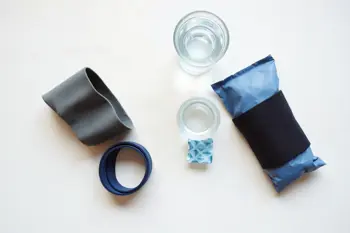
Temperature therapy provides a simple, accessible way to manage daily stiffness and soreness. Heat, applied through warm baths, hot packs, or warm towels, is primarily utilized to ease muscle tightness and improve tissue flexibility, making it effective for morning stiffness 7, 8. Conversely, cold therapy is generally preferred for managing swelling and pain immediately following physical activity or injury 8. Protecting the skin from direct contact with extreme temperatures is an essential safety precaution to avoid tissue damage during application 6.
Over-the-counter medications can also play a role in short-term pain management. Options such as acetaminophen or nonsteroidal anti-inflammatory drugs (NSAIDs) are commonly used to mitigate inflammation and discomfort 1, 6. However, these medications carry risks; NSAIDs specifically may be associated with gastrointestinal, cardiovascular, and renal complications, particularly with long-term use 6. It is important to consult a healthcare provider to determine the safety and appropriateness of any medication, especially for individuals with existing health conditions 6.
Identifying Red Flags for Medical Consultation
While home remedies are effective for many, there are specific symptoms that signal the need for an urgent medical evaluation. Red-flag symptoms include the inability to bear weight on the affected leg, a visible deformity, or a sensation that the knee is locked or unstable 3, 7. Additionally, the presence of fever combined with localized redness and warmth at the joint may indicate an infection, which requires immediate professional clinical intervention 3, 7.
Beyond emergency situations, professional medical consultation is necessary if knee pain becomes persistent, recurrently returns, or significantly interferes with sleep and daily activities 6, 7. Progressive weakness or a noticeable loss of motion are also indicators that a comprehensive physical examination and diagnostic testing, such as imaging, may be required to determine the exact cause of the impairment 6. Seeking timely care ensures that appropriate treatment pathways are established before minor issues become chronic problems 2.
Evidence-Based Guidelines for Recovery
The management of knee pain at home is most successful when it is grounded in evidence-based conservative care. Utilizing a multi-faceted approach-which includes consistent, low-impact exercise, safe temperature therapy, and intelligent activity modification-often yields the best outcomes for long-term joint health 3, 10. The goal is to move from reactive symptom control to a proactive lifestyle that supports joint integrity and maximizes functional capacity 6, 10.
Ultimately, the effectiveness of home remedies depends on the individual's dedication to consistent, safe practices. When coupled with the advice of physical therapists or orthopedic specialists, these self-care strategies can help many people maintain their quality of life despite minor joint issues 5, 8. By prioritizing regular, moderate activity and avoiding harmful movements, individuals can effectively manage their discomfort and potentially delay or prevent the need for more invasive clinical interventions 5, 10.
Sources
- GoodRx: Home Remedies for Knee Pain and Exercises
- Manipal Hospitals: Home Remedies for Knee Pain
- Acibadem Hospitals Group: Knee Ache Remedy
- EmergeOrtho: 10 Tips for Managing Knee Pain at Home
- CNA Lifestyle: What actually works for knee pain
- Bharath Orthopaedics: How to Reduce Knee Joint Pain
- HIIMS: Effective Knee Pain Treatment at Home
- OSSO: 8 Natural Home Remedies for Knee Pain
- Brisbane Times: The exercise and lifestyle habits that can save your knees
- HCA Florida Healthcare: 5 ways to manage arthritis knee pain
Authored by 24Trendz team