Warning signs of anemia: Clinical indicators, symptoms, and physiological impacts
Anemia represents a clinical condition defined by an abnormally low concentration of red blood cells or insufficient hemoglobin levels 1, 2. Hemoglobin is a critical protein responsible for transporting oxygen from the lungs to various tissues throughout the body 3. When this oxygen delivery system is compromised, the body often displays a wide range of warning signs that vary based on the severity and origin of the deficiency 4, 5. Understanding these indicators is a foundational step in identifying the potential need for medical consultation 3, 7.
Physiological Mechanisms and Core Indicators
The primary function of red blood cells is to facilitate cellular respiration by carrying oxygen. When red blood cell counts drop, tissues receive less oxygen, forcing the heart to work harder to maintain circulation 3. Common symptoms of this systemic strain include persistent fatigue, general weakness, and reduced exercise tolerance 5. Many individuals report a gradual onset of these symptoms, which often manifest as a feeling of being consistently tired despite adequate rest 4, 7.
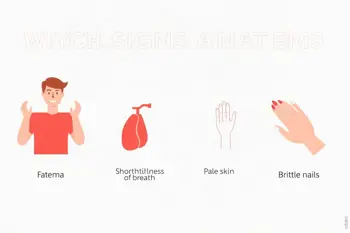
Pale or yellowish skin is another frequent clinical sign, often noticeable on the face, palms, or mucosal surfaces during a physical examination 4, 5. Because oxygen is essential for every organ system, the symptomatic expression of anemia is rarely localized to one region of the body. Rather, patients frequently experience a combination of systemic malaise and specific physical manifestations as the condition progresses 5, 7.
Cardiovascular and Respiratory Manifestations
Reduced oxygen levels often trigger distinct cardiovascular and respiratory symptoms as the heart attempts to compensate for diminished blood oxygen capacity 3. Individuals may experience a rapid, irregular, or pounding heartbeat, clinically referred to as palpitations 4, 5. These sensations are a direct response to the heart pumping more blood to counteract the lack of oxygen-rich cells within the circulation 3. When this compensatory mechanism is pushed to its limit, chest pain may occur 6.
Shortness of breath is a hallmark indicator of severe or rapidly developing anemia, particularly during physical activity 4, 5. This occurs because the lungs and heart cannot maintain the necessary pace of oxygen exchange required by active muscle tissue 2. In cases involving acute blood loss, this symptom can manifest rapidly, potentially leading to fainting or lightheadedness, which necessitates immediate medical attention to assess blood pressure and internal stability 9.
Neurological and Cognitive Symptoms
The brain is highly sensitive to fluctuations in oxygen levels, which frequently results in neurological or cognitive warning signs. Dizziness and lightheadedness are commonly reported by patients as they transition from sitting to standing or during periods of exertion 4, 5. These sensations stem from temporary deficits in oxygen reaching the brain, which may also impair overall concentration and cognitive focus 5.
Chronic, persistent headaches are frequently associated with various types of anemia, serving as an indicator of systemic oxygen deprivation 5, 7. While these symptoms are not specific to anemia, when observed in conjunction with fatigue or pallor, they warrant a professional blood test-typically a complete blood count (CBC)-to determine if the underlying issue is related to blood health 3, 7.
Indicators Specific to Iron Deficiency
Iron deficiency is the most prevalent form of anemia, and it presents with a unique set of indicators beyond standard systemic symptoms 3, 6. Physical changes, such as brittle nails or cold extremities (hands and feet), occur due to poor circulatory distribution of oxygen-rich blood 6, 8. A particularly distinct sign is pica, where individuals experience cravings for non-nutritive items such as ice, dirt, or starch 6.
| Indicator | Clinical Association |
|---|---|
| Cold extremities | Reduced peripheral blood flow |
| Pica (ice/dirt cravings) | Severe iron depletion |
| Brittle nails | Chronic iron deficiency |
| Restless legs | Low iron stores in nerve tissue |
Furthermore, restless legs syndrome-a condition characterized by an uncontrollable urge to move the legs, often while resting-has been increasingly documented in clinical literature as a manifestation of low iron levels 6. Addressing these symptoms requires medical confirmation of iron stores, as self-supplementation without professional guidance can lead to iron toxicity and internal organ damage 6.
Oral and Tissue-Related Signs
Specific nutritional deficiencies, particularly related to Vitamin B12 and folate, can cause unique changes to the tongue and oral tissues. Inflammation, redness, or a painful, sore tongue is a common clinical marker for megaloblastic anemia 4, 6. This happens because rapidly dividing cells, such as those lining the mouth, require adequate vitamins and hemoglobin to maintain structural integrity 4.
These symptoms, while appearing localized, are often the outward expression of a metabolic issue in the bone marrow or a failure of the digestive system to absorb necessary nutrients 1, 4. Because oral health is a sensitive indicator of systemic nutritional status, dentists or primary care providers may be the first to identify these warning signs during routine check-ups 4.
The Importance of Professional Diagnosis
Anemia is rarely an isolated disease; it is a clinical marker indicating an underlying process that requires identification 5, 7. Whether the cause is chronic blood loss, such as that from gastrointestinal issues or menstrual cycles, or a failure of the bone marrow to produce cells, a diagnosis depends on laboratory analysis 2, 8. Physicians use a complete blood count to evaluate the quantity and size of red blood cells to determine the most effective course of treatment 3, 7.
Patients who notice persistent or worsening symptoms, particularly chest pain, unexplained fainting, or severe breathlessness, should seek medical evaluation promptly 5, 7. Professional care is essential, as the treatment strategy varies significantly depending on the root cause, ranging from dietary changes and supplementation to the identification of hidden sources of internal bleeding 7, 9.
Sources
- Harvard Health Publishing, Anemia Overview
- Merck Manual Consumer Version, Overview of Anemia
- Family Doctor, Anemia Conditions and Symptoms
- Mayo Clinic, Vitamin Deficiency Anemia Symptoms
- Acibadem International, Signs of Anemia Explained
- Mayo Clinic, Iron Deficiency Anemia Symptoms
- Acibadem International, Anemia Treatment and Early Signs
- Merck Manual Consumer Version, Iron Deficiency Anemia
- Merck Manual Consumer Version, Anemia Due to Excessive Bleeding
Authored by 24Trendz team