Gout Flare Up Remedies: Clinical Perspectives on Management and Symptom Relief
Gout, a form of inflammatory arthritis, is characterized by the accumulation of monosodium urate monohydrate crystals within bodily tissues, often leading to sudden and intense episodes of discomfort 4. Managing a gout flare-up requires a strategic approach that prioritizes rapid symptom reduction while addressing the underlying cause, which is typically an excess of uric acid in the blood 3. This overview examines the standard clinical and supportive measures used to navigate these acute episodes and outlines the importance of early intervention in mitigating disease progression.
Recognizing Early Indicators for Timely Intervention
The American College of Rheumatology emphasizes the importance of initiating treatment within 24 hours of the onset of symptoms to reduce both the duration and the severity of an attack 1. Patients often experience prodromal signs such as tingling, burning, or itching in the affected joint one to two hours before the acute pain manifests 1. These sensations are frequently followed by profound stiffness, extreme tenderness, and the perception that the joint is intensely hot, a sensation often described as feeling like the joint is on fire 1.
While the big toe remains the most common site of crystal accumulation, flares can also occur in the knee, ankle, wrist, elbow, or the instep of the foot 1. Symptoms often develop with significant speed, frequently waking individuals from sleep during the night 1. Because joint infections can sometimes present with similar symptoms, including fever or a general feeling of being unwell, it is critical for patients to seek medical assessment to differentiate between a standard gout flare and more urgent medical conditions 9.
Supportive Home Measures for Immediate Comfort
During an active flare, physical management of the affected joint is a central component of symptom support. Resting the joint and avoiding weight-bearing activities can prevent unnecessary irritation and further inflammation 7. Elevating the limb above the level of the heart is often recommended to assist in reducing swelling and throbbing discomfort in the area 7. These simple adjustments can provide modest relief while pharmacological interventions begin to take effect 8.
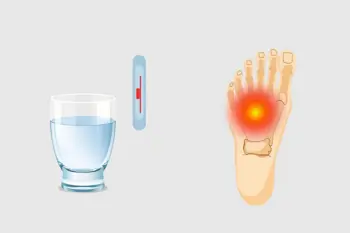
Applying a wrapped ice pack to the sore joint for intervals of 15 to 20 minutes can help numb the area and decrease localized inflammation 1. It is essential to ensure the ice is appropriately shielded to protect the skin from direct cold exposure. Additionally, maintaining adequate hydration by drinking water is encouraged, as it supports kidney function and assists in the process of flushing excess uric acid from the body, potentially helping to prevent further crystal accumulation in the joints 7.
Pharmacological Approaches to Acute Flare Management
Clinicians typically select from three primary classes of medication to address the inflammatory response during an acute gout episode: nonsteroidal anti-inflammatory drugs (NSAIDs), colchicine, or corticosteroids 2. The selection of the most appropriate treatment is highly individualized, depending on a patient’s specific kidney function, gastrointestinal risk profile, existing health conditions, and potential for adverse drug interactions 9. NSAIDs, such as ibuprofen or naproxen sodium, are frequently utilized, though prescription-strength options like indomethacin or celecoxib may also be indicated 2.
Colchicine is another specialized medication that can be used to manage attacks when administered within a specific timeframe after symptoms begin 10. It acts differently than standard analgesics, as it is specifically designed to address the inflammation associated with crystal deposition 10. Because these medications carry varying risks, they should only be used under the direct supervision of a healthcare provider who can weigh the therapeutic benefits against potential side effects 10.
Diagnostic Processes and Clinical Assessment
Healthcare professionals rely on a combination of symptom observation and diagnostic testing to confirm a gout diagnosis and differentiate it from other forms of arthritis. A joint fluid test, where a needle is used to aspirate synovial fluid for microscopic analysis, remains a gold standard for identifying urate crystals 2. Imaging tools, including X-rays and ultrasound, are also employed to detect the presence of urate crystals in joint cartilage or to visualize the formation of tophi, which are lumps under the skin caused by chronic crystal buildup 2.
Advanced imaging, such as dual-energy computerized tomography (DECT), may be utilized to view urate crystals in the joints from multiple angles 2. Blood tests to measure serum uric acid levels are also common, though clinicians note that uric acid levels can appear normal during an acute flare, meaning that the absence of high levels does not necessarily rule out a gout diagnosis 2. Consequently, physical examination and patient history remain central to the diagnostic process 2.
Long-Term Management and Urate-Lowering Therapy
For patients experiencing frequent flares, tophi development, or associated kidney issues, long-term management strategies focus on preventing future episodes by reducing serum uric acid levels 9. Urate-lowering therapy, such as allopurinol, is a cornerstone of this preventive strategy 5. Clinical guidelines generally suggest a treat-to-target approach, often aiming for a serum urate concentration of less than 6 mg/dL to effectively dissolve existing crystals and prevent new ones from forming 8.
It is important for patients currently taking urate-lowering medication, such as allopurinol, to continue their prescribed regimen even during a flare, unless otherwise directed by their healthcare team 9. Abruptly stopping these medications can sometimes destabilize uric acid levels and potentially exacerbate the duration of a flare. Long-term success is typically achieved through a combination of consistent medication adherence and supportive lifestyle modifications that minimize the intake of high-purine foods and substances that increase systemic inflammation 3.
Lifestyle Adjustments for Ongoing Prevention
Beyond medical intervention, lifestyle habits play a significant role in reducing the risk of recurrent gout attacks. Dietary adjustments often involve limiting the intake of organ meats and other high-purine foods, as well as restricting alcohol and sugar-sweetened beverages, which are associated with increased uric acid production 6. Maintaining a healthy body weight is also recommended, as obesity can contribute to higher levels of circulating uric acid and increased pressure on weight-bearing joints 6.
| Management Strategy | Focus Area |
|---|---|
| NSAIDs and Colchicine | Reducing acute inflammation and pain |
| Hydration | Supporting kidney function for uric acid clearance |
| Urate-Lowering Therapy | Maintaining serum uric acid below 6 mg/dL |
| Dietary Modification | Reducing intake of high-purine triggers |
These preventive measures are intended to support the overall goal of achieving long-term symptom control and protecting joint function. Individuals should work closely with their healthcare providers to establish an evidence-based management plan that balances medication safety with personal health goals and lifestyle factors 5.
Sources
- Verywell Health, "Easy Ways to Soothe Gout Flare-Ups Quickly"
- Mayo Clinic, "Gout - Diagnosis and Treatment"
- Cleveland Clinic, "Gout: What It Is, Symptoms & Treatment"
- NCBI StatPearls, "Gout"
- American College of Rheumatology, "Gout"
- Arthritis Foundation, "Gout"
- Pacific Arthritis Care, "How to Treat Gout Fast at Home"
- Healio, "Management of Acute Gouty Arthritis"
- NHS, "Conditions: Gout"
- Mayo Clinic, "Colchicine (oral route) - Side effects & dosage"
Authored by 24Trendz team