Restless Leg Syndrome Relief: An Analysis of Clinical Management and Symptom Mitigation
Understanding the Diagnostic Landscape of Restless Leg Syndrome
Restless Leg Syndrome (RLS), historically recognized as Willis-Ekbom disease, is a sleep-related movement disorder that manifests as an overwhelming, often painful urge to move the lower or upper extremities 17. Clinical diagnosis is defined by specific criteria established by the International Restless Legs Syndrome Study Group, which highlights the necessity of identifying sensations that occur during periods of inactivity and are exacerbated by rest 1. Symptoms are notably worse in the evening or at night, creating a cycle of sleep disruption that frequently leads to daytime fatigue and impaired quality of life 14. Research indicates that approximately 8% of the United States adult population experiences symptoms at some frequency, with 3% reporting moderately to severely distressing RLS symptoms at least twice weekly 4.
Diagnostic assessment typically involves a thorough medical history and physical examination to rule out comorbid conditions such as peripheral neuropathy, iron deficiency, or sleep apnea 13. While formal sleep studies are not always required for an RLS diagnosis, clinicians may perform blood work, particularly checking serum ferritin levels, to determine if the syndrome is secondary to an underlying systemic issue 1. Emerging guidelines emphasize the importance of differentiating primary RLS-often linked to a family history-from secondary manifestations linked to metabolic or neurological disorders such as diabetes mellitus, chronic renal failure, or Parkinson disease 68.
The Role of Lifestyle Modifications in Symptom Management
For individuals presenting with RLS symptoms not directly caused by another primary condition, management strategies often prioritize non-pharmacological interventions designed to improve overall sleep hygiene and mitigate sensory triggers 1. Clinical recommendations suggest that maintaining a consistent sleep-wake schedule and optimizing the bedroom environment, such as ensuring it remains dark, quiet, and cool, can significantly improve sleep quality 3. Additionally, the timing of daily activities plays a critical role in symptom management. Regular physical exercise during the day is often encouraged, though patients are advised against strenuous exercise or large meals immediately before bedtime to avoid unnecessary nervous system arousal 3.
Substance avoidance serves as a foundational pillar in the clinical approach to RLS relief. Patients are frequently advised to restrict the consumption of caffeine-including coffee, tea, and various energy drinks-after midday, as these stimulants are known to exacerbate the severity of leg sensations 35. Similarly, the consumption of alcohol within two hours of sleep is discouraged due to its potential to disrupt sleep architecture and worsen nighttime symptoms 3. Other behavioral adjustments include avoiding the use of electronic devices just before bed and seeking professional support for smoking cessation, as these factors contribute to increased sleep latency and symptom irritation 3.
Physical and Mechanical Strategies for Immediate Relief
When RLS sensations occur, immediate relief is often sought through physical actions that provide counter-stimulation to the limbs 3. Common techniques include walking, stretching, or applying massage to the affected areas, which can momentarily suppress the urge to move 3. The application of temperature-based therapies, such as warm baths or the use of heated pads on the legs prior to retiring for the night, is frequently suggested by clinicians to soothe uncomfortable sensations like tingling, throbbing, or aching 38. Distraction techniques, such as reading or engaging in complex games, are also cited as methods to help redirect focus during periods of acute discomfort 3.
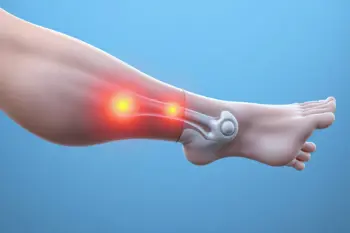
Beyond manual techniques, the use of medical devices has gained clinical attention for persistent cases. Pneumatic compression devices and specialized foot wraps are designed to provide physical feedback to the nerves, which can help manage the sensory-motor components of the disorder 28. While these mechanical aids are not considered primary treatments for everyone, they represent an alternative approach for those seeking to minimize reliance on systemic medications 2. Patient-centered resources emphasize that these tools should be used as part of a holistic management plan rather than as isolated cures for the underlying neurological triggers 8.
Pharmacological Treatment Frameworks
Pharmacological intervention is reserved for moderate-to-severe cases where lifestyle modifications do not provide sufficient relief 1. Treatment protocols often start with addressing iron levels, as iron deficiency is a well-documented contributor to RLS; supplementation may be administered orally or intravenously depending on the patient's specific lab metrics 15. For those requiring medication, clinical guidelines prioritize the use of alpha-2-delta ligands, such as gabapentin enacarbil, which have demonstrated efficacy in addressing the sensory disturbances that prevent restful sleep 57. Dopamine agonists like ropinirole and pramipexole have historically been utilized, though modern clinical practice increasingly emphasizes a cautious, evidence-based approach to medication selection 57.
The management of refractory cases, where standard first-line therapies fail, may involve the utilization of specific opioid medications under strict medical oversight 5. Because medications can produce varying side effects and the potential for symptom augmentation, treatment plans must be customized by a healthcare professional familiar with current sleep medicine guidelines 59. The 2025 guidelines update highlights the importance of incorporating modern clinical research and individualized patient assessments when adjusting treatment strategies to ensure that the balance of benefit and harm remains favorable for the patient 7.
The Intersection of Comorbidity and Prognosis
Restless Leg Syndrome does not exist in a vacuum, and its relationship with other chronic diseases significantly influences the clinical outlook. Studies have shown a significant association between RLS and cardiovascular diseases, including coronary artery disease, heart failure, and stroke, with affected individuals reporting elevated rates of such outcomes 4. Furthermore, the psychological impact of chronic sleep deprivation is profound, with research indicating higher incidences of depression and instances of suicidal ideation in patients suffering from severe, persistent symptoms
The long-term prognosis for RLS patients is generally manageable provided the condition is accurately diagnosed and appropriately treated 5. However, underdiagnosis remains a significant barrier to effective symptom control, as many patients may misidentify their sensations as simple cramps or age-related discomfort 5. Ongoing medical supervision is essential, particularly for those with progressive conditions or those undergoing drug therapies that might interact with dopaminergic pathways 56. Future research continues to investigate the underlying genetics of the syndrome and the efficacy of emerging pharmacologic agents to refine the standards of care for both adult and pediatric populations 7.
Essential Considerations for Patient Care
Patients dealing with symptoms of RLS are encouraged to seek professional clinical advice when the urge to move significantly interferes with daily functioning or emotional well-being 3. A multidisciplinary approach, potentially involving neurologists, sleep specialists, and primary care physicians, is often the most effective route to identifying the root cause of the disorder 17. Accurate diagnosis often requires a combination of clinical interviews, neurologic examinations, and occasional diagnostic tests to ensure that symptoms are not the result of other peripheral nerve or systemic disorders 13.
Education and patient-centered support are vital components of any management strategy, as understanding the physiological basis of RLS can help reduce the anxiety associated with sleep disturbance 9. Patients are advised to keep a log of their symptoms, including timing, intensity, and any activities that provide relief, to share with their healthcare provider 1. By combining evidence-based lifestyle changes with targeted medical oversight, individuals can work to mitigate the impact of RLS on their overall health and improve their quality of rest 37.
Sources
- Mayo Clinic: Restless Legs Syndrome Diagnosis and Treatment, https://www.mayoclinic.org/diseases-conditions/restless-legs-syndrome/diagnosis-treatment/drc-20377174
- Cleveland Clinic: Restless Legs Syndrome, https://my.clevelandclinic.org/health/diseases/9497-restless-legs-syndrome
- NHS: Restless Legs Syndrome, https://www.nhs.uk/conditions/restless-legs-syndrome/
- JAMA Network: Restless Legs Syndrome A Review, https://jamanetwork.com/journals/jama/fullarticle/2844112
- Medscape: Restless Legs Syndrome Treatment and Management, https://emedicine.medscape.com/article/1188327-treatment
- Merck Manual: Periodic Limb Movement Disorder and Restless Legs Syndrome, https://www.merckmanuals.com/professional/neurologic-disorders/sleep-and-wakefulness-disorders/periodic-limb-movement-disorder-plmd-and-restless-legs-syndrome-rls
- NeurologyLive: Clinical Review of 2025 RLS Guidelines, https://www.neurologylive.com/view/clinical-review-2025-restless-leg-syndrome-guidelines
- Cedars-Sinai: Everything You Need to Know About Restless Leg Syndrome, https://www.cedars-sinai.org/stories-and-insights/healthy-living/everything-you-need-to-know-about-restless-leg-syndrome
- MedLink: Restless Legs Syndrome, https://www.medlink.com/articles/restless-legs-syndrome
Authored by 24Trendz team