Learn Home Cooking in 8 Sessions: A Structured Framework for Culinary Proficiency
Embarking on a journey to improve kitchen proficiency often requires a structured approach that moves beyond following individual recipes. A comprehensive eight-session curriculum offers a logical progression for beginners, systematically building skills from foundational safety and knife handling to complex meal assembly and baking 1. By dedicating specific sessions to core techniques and nutritional balance, learners can develop the confidence necessary to prepare nutritious meals independently 2. This framework serves as a guide for those seeking to master the kitchen through deliberate, skill-based practice rather than rote memorization.
Foundations of Kitchen Safety and Preparation
The initial phase of any culinary education must prioritize food safety, as established by the FDA through four core practices: clean, separate, cook, and chill 3. Mastering these standards prevents cross-contamination and ensures a safe cooking environment. In conjunction with hygiene, proper kitchen organization is essential for efficiency 4. This includes preparing the workspace, selecting necessary utensils, and understanding how to maintain a clean area while working 5.
Developing Precise Knife Skills
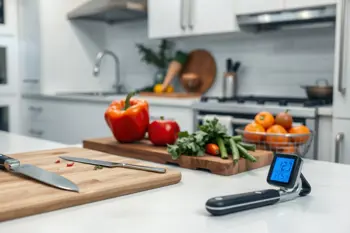
Knife work serves as the most fundamental skill for any cook, as it affects both the consistency of cooking and the visual presentation of a dish 6. Proper technique involves using a stable cutting board, maintaining a sharp blade, and employing a controlled grip that ensures fingers remain safely away from the edge 7. A dedicated session on these mechanics allows students to practice various cuts, including chopping, slicing, and dicing, which improves both speed and safety during daily food preparation 8.
Mastering Heat: Dry and Moist Methods
Understanding heat management is critical for converting raw ingredients into palatable meals. Dry-heat methods, such as sautéing, roasting, and grilling, use high heat to brown food and develop complex flavors 9. Conversely, moist-heat methods, including simmering and steaming, provide a gentler way to cook proteins and vegetables 10. Students should learn to differentiate these approaches, understanding when to use a pan with minimal fat versus when to utilize liquid-based cooking to achieve desired textures and outcomes 11.
Integrating Nutrition and Meal Planning
Effective meal planning transforms cooking from a daily chore into a manageable system that saves time and reduces waste 12. Using guidelines like the USDA MyPlate model or the Harvard Healthy Eating Plate, cooks can organize meals around a balance of fruits, vegetables, grains, proteins, and healthy fats 13. Incorporating these nutritional principles into a structured planning session helps learners manage grocery shopping more effectively and ensures that their home-cooked meals contribute to long-term health goals 14.
The Principles of Baking and Precision
Baking is fundamentally different from stovetop cooking because it requires high levels of precision regarding ingredient measurement and oven temperature control 15. A dedicated session on baking should emphasize the science of mixing, the importance of accurate ratios, and the effect of leavening agents on the final product 16. Consistent results in the oven are rarely accidental; they are the product of mastering these variables and understanding how each component of a recipe interacts during the heat application process 17.
Final Integration and Independent Execution
The concluding sessions of a culinary course should focus on the application of learned skills through the preparation of a complete meal. Using a food thermometer to verify that meat, poultry, and seafood have reached safe internal temperatures is a required practice for any independent cook to ensure food quality and safety 18. By planning, executing, and evaluating a final meal independently, students demonstrate their ability to combine knife skills, heat application, and nutritional knowledge, solidifying their transition from novice to competent home chef 19.
| Session | Focus Area | Key Learning Objective |
|---|---|---|
| 1 | Safety & Organization | Mastering cleaning and chilling protocols |
| 2 | Knife Skills | Developing safe cutting techniques and grip |
| 3 | Dry Heat | Practicing sautéing and roasting methods |
| 4 | Moist Heat | Simmering and steaming applications |
| 5 | Meal Planning | Constructing balanced and efficient menus |
| 6 | Proteins | Internal temperature monitoring and safety |
| 7 | Baking | Precision measurement and oven control |
| 8 | Synthesis | Independent preparation of a full meal |
Sources
- U.S. Food and Drug Administration: Food Safety at Home
- FoodSafety.gov: Safe Minimum Internal Temperatures
- USDA Food Safety and Inspection Service: Safe Food Handling
- U.S. Department of Agriculture: MyPlate Guidelines
- Harvard T.H. Chan School of Public Health: Healthy Eating Plate
- Utah State University Extension: Knife Skills and Preparation
- Serious Eats: Principles of Sautéing
- BBC Good Food: Comprehensive Cooking Methods Guide
- King Arthur Baking: Baking Precision and Techniques
- Academy of Nutrition and Dietetics: Meal Planning 101
Authored by 24Trendz team