Warning signs of asthma: A comprehensive clinical overview of respiratory indicators
Understanding Asthma as a Chronic Respiratory Condition
Asthma is a long-term medical condition that causes the airways in the lungs to become inflamed and narrowed, making it increasingly difficult for air to flow normally 3, 9. This process is characterized by the constriction of muscles surrounding the airways and the production of excess mucus, which can further obstruct air passage 3, 7. Approximately 260 million individuals worldwide were estimated to be affected by this condition in 2021 4, 10. While symptoms vary from person to person, the condition typically manifests through specific respiratory irregularities that serve as key indicators of airway sensitivity 2, 6.
Clinical manifestations are often driven by exposure to environmental triggers, which may include allergens, viral infections like influenza or the common cold, exercise, and exposure to pollutants such as cigarette smoke or chemical fumes 2, 3. Because asthma ranges from mild to severe, some individuals may experience only occasional symptoms, while others face persistent challenges that require continuous medical oversight 3, 8. Recognizing early warning signs is a critical component of disease management and helps prevent the progression of symptoms into severe, life-threatening asthma attacks 1, 5.
Primary Symptoms and Physical Indicators
The most commonly reported symptoms of asthma serve as the foundation for identifying the condition. Wheezing, which is a whistling sound heard during exhalation, is frequently cited as a hallmark indicator of restricted airflow 1, 2. This sound may begin as a low-pitched whistle and increase in intensity as airways narrow further 1. Coughing is another primary symptom, particularly when it occurs frequently at night, during the early morning hours, or following physical exertion 1, 6. In some presentations, a persistent, non-productive cough may be the sole indicator of the condition 3.
Shortness of breath and a sensation of chest tightness are also definitive signs that airway inflammation is present 2, 8. Patients often describe chest tightness as a heavy weight or painful pressure in the chest region, which can be exacerbated by exercise or exposure to cold, dry air 1, 2. These sensations of breathlessness may occur sporadically or persist, interfering with daily activities and rest 2, 8. When these symptoms appear, it is generally recommended that individuals seek medical evaluation to determine the underlying cause and develop an appropriate management plan 2, 8.
Early Warning Signs and Behavioral Indicators
Beyond physical respiratory symptoms, some individuals experience early warning signs that may precede a more severe asthma flare-up. These can include subtle behavioral changes such as increased irritability, short-temperedness, or feelings of edginess and nervousness 1. Other indicators of poorly controlled asthma include difficulty sleeping due to respiratory distress or an unexplained decrease in physical endurance during exercise 5, 6. Recognizing these precursors can provide a window for patients to implement their established asthma action plans before conditions escalate 5.
Monitoring these early signs is vital, as effective management depends on the consistent identification of symptoms that are out of the ordinary for a specific patient. While some people may feel they have their asthma under control, subtle changes in breathing patterns or increased reliance on rescue medications can suggest that the condition is not fully managed 5. Because asthma is dynamic and can change over time, maintaining regular communication with healthcare providers is essential for adjusting treatment strategies based on clinical symptoms and triggers 5, 6.
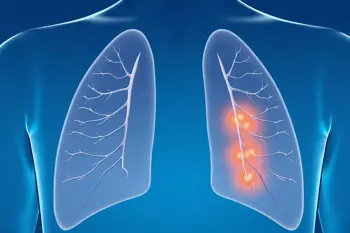
Emergency Warning Signs of a Severe Asthma Attack
A severe asthma attack constitutes a medical emergency that requires immediate professional intervention. Critical danger signs include an inability to walk or talk without experiencing significant difficulty breathing, as well as the necessity to hunch over to facilitate air intake 1. Furthermore, physical indicators such as the skin of the neck or chest sucking inward, and lips or fingernails turning blue or gray, indicate that the body is not receiving sufficient oxygen 1, 9. Confusion or decreased responsiveness are also indicators of severe, life-threatening respiratory failure 1, 9.
In the event of these symptoms, calling local emergency services or visiting the nearest emergency department is necessary 1, 6. It is important for all caregivers, including teachers and family members, to be aware of these emergency signs if they are responsible for an individual with diagnosed asthma 1. Emergency medical professionals may provide immediate life-saving treatments to open the airways, as untreated severe episodes can result in significant health consequences or, in extreme cases, mortality 5, 7.
Diagnostic Considerations and Clinical Monitoring
Diagnosis of asthma is typically confirmed by medical professionals using physical examinations, clinical history, and pulmonary function tests 4, 9. Because symptoms can be intermittent, doctors often assess whether the breathing difficulties vary in intensity or timing throughout the day 9. Diagnostic tests aim to measure the degree of airflow limitation and determine the reversibility of the airway constriction 4, 9. Understanding one's individual triggers, such as environmental allergens or emotional stressors, is a key objective of the diagnostic process 2, 7.
Management strategies frequently involve the use of inhaled medications, such as beta-2 agonists and glucocorticoids, which work to keep airways open and reduce inflammation 9. Patients are encouraged to create an Asthma Action Plan with their doctors, which provides a personalized roadmap for responding to changing symptoms 5, 7. This plan helps individuals categorize their respiratory health into zones, facilitating quicker recognition of when symptoms require increased medical attention or urgent intervention 5.
Epidemiological Factors and Global Impact
The prevalence of asthma varies significantly based on socioeconomic status, environmental exposures, and genetic predispositions 4. While it is one of the most common chronic diseases in childhood, it can develop at any age, including adulthood 4, 6. Research indicates that the incidence rate between boys and girls shifts during life transitions; asthma is more prevalent in boys during childhood, while the pattern often reverses in adulthood, becoming more common in women 4. Global health organizations, such as the World Health Organization, emphasize that the condition is often under-diagnosed and under-treated, particularly in lower-income regions 8.
The impact of undiagnosed or poorly treated asthma extends beyond physical health to social and economic consequences, including lost school and work days, poor concentration, and sleep disturbances 8. Given the seriousness of the condition, public health initiatives are directed toward improving access to diagnosis, monitoring, and standardized treatment protocols globally 8. By identifying the clinical warning signs early and adhering to medical guidance, individuals may minimize the long-term damage to their lungs and maintain an active, quality life 2, 8.
Sources
- MedlinePlus Medical Encyclopedia - Signs of an asthma attack
- American Lung Association - Asthma Symptoms
- Harvard Health Publishing - Asthma A-Z
- Merck Manual Consumer Version - Asthma
- Asthma and Allergy Foundation of America - Asthma Zones and Control
- Healthdirect Australia - Asthma in adolescents and adults
- FamilyDoctor.org - Asthma
- World Health Organization - Asthma Fact Sheet
- NHS Inform Scotland - Asthma
- Merck Manual Professional Edition - Asthma
Authored by 24Trendz team