Ways to manage stress at home: A clinical guide to environmental and behavioral interventions
Stress is a fundamental physiological and emotional response to challenging situations, manifesting as a reaction to external pressures such as work demands, financial concerns, or interpersonal relationship strain 1. While acute stress can occasionally serve as a catalyst for problem-solving, the persistence of these feelings-known as chronic stress-can initiate a cascade of detrimental health effects 1, 2. Research indicates that nearly half of all Americans report experiencing frequent stress, a figure that has risen since the mid-1990s 7. Managing these responses within a home environment allows individuals to maintain control over their immediate surroundings and implement consistent, protective lifestyle adjustments 9.
Physiological Impacts of Chronic Stress
When an individual perceives a threat or faces sustained pressure, the body engages the hypothalamic-pituitary-adrenal (HPA) axis, releasing hormones including cortisol and adrenaline 9. This process, commonly identified as the 'fight or flight' response, is evolutionarily designed to protect against immediate physical danger 3, 9. However, when this response remains active for extended periods without resolution, it can lead to severe health outcomes, including heart disease, obesity, high blood pressure, and persistent depression 2, 5.
The physical manifestation of chronic stress is diverse and affects multiple bodily systems. Commonly reported clinical symptoms include headaches, muscle tension, fatigue, and persistent gastrointestinal distress 1, 2. Additionally, chronic stress can weaken the immune system, increasing susceptibility to illness 2. Cognitive and emotional indicators, such as trouble concentrating, irritability, feelings of fear, and significant changes in sleep patterns, often serve as early indicators that an individual's stress levels may require active management 1, 4.
Environmental Control and Time Management
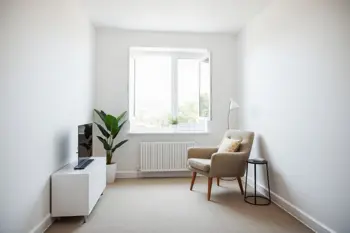
Home environments often serve as the primary site for stress recovery, provided they are structured to minimize unnecessary pressure. Clinical guidance suggests that proactive planning and task management can significantly mitigate the feeling of being overwhelmed 2, 4. Prioritizing daily responsibilities and breaking down complex objectives into smaller, achievable steps allows individuals to regain a sense of agency over their personal space 2, 8. Reducing contact with known stressors, such as limiting exposure to negative news cycles or intrusive social media content, is a key component of creating a peaceful, restorative refuge 1, 2.
| Strategy | Objective |
|---|---|
| Task Prioritization | Reduces cognitive load by organizing daily responsibilities. |
| Information Hygiene | Limits exposure to news cycles that trigger physiological distress. |
| Environmental Control | Establishes the home as a neutral, safe, and predictable space. |
| Structured Routine | Provides stability that supports emotional regulation. |
Behavioral and Physical Interventions
Physical activity is frequently cited as one of the most effective non-pharmacological methods for processing stress hormones and improving overall mood 5, 9. Even moderate levels of movement, such as a 20-minute walk, can initiate a reduction in cortisol and adrenaline levels 5. Beyond intentional exercise, simple relaxation techniques such as controlled deep breathing and gentle stretching can activate the body's natural relaxation response, countering the physiological tension accumulated throughout the day 1, 6.
Sleep hygiene also plays a critical role in the biological recovery from chronic stress. Maintaining a consistent sleep schedule aids in emotional regulation and helps the body recover from the high-energy state induced by stress hormones 2, 4. Poor sleep often creates a feedback loop, as elevated stress hormones interfere with quality rest, which in turn diminishes the individual’s ability to cope with stressors the following day 7. Nutritional choices also influence how the body handles stress, with medical professionals emphasizing the importance of a balanced intake to support systemic health 5.
The Role of Micro-Moments and Mindfulness
Emerging research underscores the value of 'micro-moments'-short, intentional breaks that can lead to measurable improvements in mood 8. A 2025 study highlighted that allocating just five minutes per day to meditation or viewing inspirational content resulted in lower stress levels compared to passive activities like scrolling social media 8. These short intervals of mindfulness allow individuals to anchor their attention in the present moment, effectively interrupting the pattern of anxious thought cycles that contribute to chronic stress 6.
Mindfulness and meditation practices do not require specialized equipment or significant time commitments. Integrating simple acts-such as deliberate breathing, looking at art, or engaging in small hobbies like gardening or cooking-can help individuals reconnect with their immediate experience 5, 8. By fostering a mindset centered on gratitude and awareness, individuals can alter their perception of stressful events, potentially reducing the duration and intensity of the stress response 3.
Social Support and External Resources
While managing stress at home is an individual process, maintaining social connections remains a vital component of resilience. Discussing feelings with family or friends can provide necessary emotional validation and help deconstruct overwhelming problems 2, 4. Social support acts as a buffer, preventing isolation and providing an outlet for the frustration that accompanies high-stress periods 4.
When self-help strategies are insufficient to manage persistent stress, seeking professional support is the recommended course of action 2. If stress begins to interfere with daily functioning, negatively impacts work or relationships, or induces thoughts of self-harm, consulting a mental health professional is essential 3, 4. For those in crisis, help is available; in the United States, individuals can contact the 988 Lifeline for 24/7, confidential support 1. Recognizing when to seek help is a sign of effective health management rather than a failure of personal coping mechanisms 3.
Sources
- Centers for Disease Control and Prevention: Managing Stress and Mental Health
- U.S. Department of Health and Human Services: MyHealthfinder Stress Management
- WebMD: Stress Management Techniques
- NHS Inform Scotland: Managing Stress and Mental Wellbeing
- Sutter Health: Evidence-Based Coping Strategies
- HelpGuide: Relaxation Techniques and Stress Management
- Stanford Medicine: Stress Management and Chronic Coping Skills
- AARP: Five-Minute Daily Habits for Stress Relief
- Verdant Wellness: Biological Impact of Chronic Stress
Authored by 24Trendz team