Best collagen supplements for skin elasticity: An evidence-based consumer analysis
Best collagen supplements for skin elasticity are generally evaluated by collagen form, disclosed dose, testing transparency, and evidence behind the ingredient rather than by marketing claims. Available research suggests that hydrolyzed collagen peptides may modestly improve elasticity and hydration after consistent use, although the evidence remains mixed and long-term results are not established. 1
What the research shows about elasticity
Collagen is the body’s most abundant protein and provides structural support for skin, joints, bones, and connective tissue. Natural production begins to decline as early as the mid-20s, while aging and ultraviolet exposure can reduce skin thickness, firmness, and elasticity. Oral collagen supplements are intended to provide hydrolyzed peptides, not to place intact collagen directly into facial skin. 17
Clinical findings point to a modest, gradual effect rather than a reversal of skin aging. A 2025 meta-analysis covering 23 randomized controlled trials and 1,474 participants reported improvements in hydration, elasticity, and wrinkles when all studies were combined. However, studies without industry funding and studies rated as higher quality did not show significant benefits, making the overall confidence more limited. 6
Which collagen form is most relevant
Hydrolyzed collagen peptides are the most practical format for skin research because enzymatic processing breaks collagen into smaller fragments that dissolve in beverages or foods. The clinical literature has focused mainly on hydrolyzed type I collagen, often supplied from bovine or marine sources. Undenatured type II collagen is a different product category, generally studied for joint-related mechanisms rather than skin elasticity. 34
Marine collagen is usually derived from fish skin, scales, or bones, while bovine collagen commonly comes from cattle hide or bones. Properly hydrolyzed marine and bovine products appear to have highly comparable overall absorption in the available research, so source alone does not establish superior skin results. Fish allergy is a specific reason to avoid marine collagen, and source labeling is important for dietary, ethical, and traceability decisions. 110
Examples of products and formulations
Consumer testing coverage identifies several products across powder, liquid, bovine, and marine categories. These examples should be treated as market categories for comparison, not as endorsements. The relevant questions are whether the label clearly states collagen quantity, whether added ingredients are disclosed, and whether manufacturing or purity testing can be independently verified. 12
| Category | Examples identified in research | Comparison point |
|---|---|---|
| Hydrolyzed powder | Vital Proteins, Sports Research, Great Lakes Wellness, Momentous | Check peptide quantity per serving and mixing instructions |
| Marine collagen | Sports Research Marine Collagen | Confirm fish source and allergy information |
| Other formats | NeoCell Liquid Collagen, Needed Collagen Protein Powder | Compare total collagen dose with serving size and added ingredients |
| Flavor-focused formulations | Ancient Nutrition Chocolate Collagen Peptides | Review sweeteners, flavoring agents, and the actual collagen amount |
Dose, duration, and expected timeline
Human trials involving skin outcomes have commonly used approximately 2.5 to 10 grams of collagen peptides daily for about 8 to 12 weeks. A 2014 randomized trial reported statistically significant elasticity improvements with 2.5 grams per day over eight weeks, while a 2026 randomized controlled trial assigned 119 women to control, 2.5-gram, or 10-gram daily groups for 12 weeks. 45
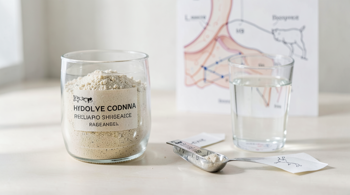
In the 2026 trial, both collagen groups showed significant improvements in skin elasticity and hydration, while the 10-gram group also showed reductions in wrinkle number and length. These findings support a possible dose response in that study, but they do not establish that a higher dose will produce the same result for every person or product. Results, when present, are expected to be gradual and may not persist after supplementation stops. 53
Quality, regulation, and safety checks
Collagen products are dietary supplements rather than FDA-approved treatments for skin aging. The FDA does not approve dietary supplements for safety or effectiveness before they reach the market, so label accuracy, manufacturing controls, and independent testing become important consumer safeguards. A clearly disclosed collagen amount is more useful than a large total milligram claim that does not specify the actual peptide serving. 81
Third-party testing and a certificate of analysis can help address concerns about ingredient identity, contamination, and heavy metals such as lead or cadmium, which have been documented in low-quality collagen products. Potential adverse effects include gastrointestinal symptoms and allergic reactions. People who are pregnant, nursing, managing a medical condition, taking medication, or responding to a fish or other dietary allergy should discuss supplementation with a healthcare professional. 41
How collagen fits into skin-care decisions
Vitamin C is required for normal collagen formation, but a separate high-dose vitamin C supplement is not necessarily needed when dietary intake is adequate. Food sources and an overall balanced diet remain relevant because collagen powders do not replace total protein, micronutrients, or other components of nutrition. Product selection should therefore focus on a tolerable format that supports consistent use, not on claims that one source is universally superior. 93
Sun protection remains a central measure for preserving skin structure because ultraviolet radiation damages existing collagen and impairs production of new collagen. Avoiding smoking, maintaining adequate protein intake, and using established dermatological care can complement, but should not be replaced by, an oral supplement. The available evidence supports cautious expectations: collagen peptides may offer a small improvement in selected skin measurements, while they are not proven to reverse visible aging. 710
Sources
- Health, “The 12 Best Collagen Supplements of 2026, Tested & Reviewed”: https://www.health.com/nutrition/best-collagen-supplements
- BBC Good Food, “Best collagen supplements 2026”: https://www.bbcgoodfood.com/review/best-collagen-supplements-tried-and-tested
- Klow Peptide, “Best Collagen Peptides for Skin”: https://klow-peptide.com/en/articles/best-collagen-peptides-skin/
- FormBlends, “Best Collagen Peptide: Evidence-Ranked Guide 2026”: https://formblends.com/articles/peptide-hub/best-best-collagen-peptide
- Springer Nature, “Immune-Modulatory Effects of Bioactive Collagen Peptides Improve Skin Health in Middle-Aged Women”: https://link.springer.com/article/10.1007/s13555-026-01654-9
- RethinkPeptides, “Collagen Peptides for Skin: What Clinical Trials Show”: https://rethinkpeptides.com/articles/collagen-peptides-for-skin-elasticity-hydration-and-wrinkle-evidence
- Cedars-Sinai, “Can Collagen Supplements Keep Your Skin Looking Young?”: https://www.cedars-sinai.org/stories-and-insights/expert-advice/can-collagen-supplements-keep-your-skin-looking-young
- U.S. Food and Drug Administration, “Dietary Supplements”: https://www.fda.gov/food/buy-store-serve-safe-food/dietary-supplements
- National Institutes of Health Office of Dietary Supplements, “Vitamin C”: https://ods.od.nih.gov/factsheets/VitaminC-HealthProfessional/
- American Academy of Dermatology, “Skin Aging and Sun Protection”: https://www.aad.org/public/everyday-care/sun-protection/sun-damage/skin-aging
Authored by 24Trendz team