Ways to manage high blood sugar at home: A clinical guide to safer daily control
Ways to manage high blood sugar at home begin with confirming the reading, reviewing the personal diabetes plan, drinking unsweetened fluids, and avoiding unplanned medication changes. A single elevated result can follow a large meal, stress, poor sleep, illness, or an inaccurate meter result, but persistent or symptomatic hyperglycemia can become dangerous. 1
Confirm the reading and identify the pattern
Wash and dry hands before using a glucose meter, then repeat an unexpected result according to the meter instructions. Record the glucose value, timing, meals, physical activity, medications, and symptoms. A written or digital record can help a healthcare professional identify whether readings relate to food, missed medication, illness, stress, or another recurring factor. 3
Targets vary by individual circumstances, so a personal care plan takes priority over generalized numbers. For many nonpregnant adults with diabetes, a commonly cited target is 80 to 130 mg/dL before meals and below 180 mg/dL after eating, but age, health status, pregnancy, and treatment goals may require different ranges. 4
Follow prescribed medicines and correction instructions
Diabetes medicines and insulin should be taken exactly as prescribed. Skipping doses or changing the amount without medical guidance can produce either worsening hyperglycemia or dangerously low blood glucose. If a clinician has provided a correction plan, it should be followed precisely. If no correction plan exists, guessing an insulin or medicine dose is not considered a safe home strategy. 2
Persistent high readings may result from insufficient insulin, insulin resistance, medication problems, infection, emotional stress, or another illness. The appropriate treatment depends on the cause, and medication adjustments may require professional assessment rather than self-directed experimentation. Repeated readings outside the recommended range should be discussed with a healthcare professional. 8
Use hydration appropriately
High blood glucose can contribute to increased urination and fluid loss, which may lead to dehydration. Drinking water or other unsweetened fluids can help replace fluids and reduce the risk of dehydration when a person is able to drink normally. Hydration supports general safety, but it does not substitute for prescribed insulin, other diabetes treatment, ketone testing, or medical care. 3
Sugary drinks and additional high-carbohydrate foods can raise glucose further, particularly when a reading is already elevated. A practical home response is to avoid sweetened beverages and follow the individualized meal plan rather than attempting an untested remedy. Inability to keep fluids down, severe thirst with weakness, or signs of dehydration changes the situation from routine home management to urgent medical evaluation. 8
Adjust meals without extreme restriction
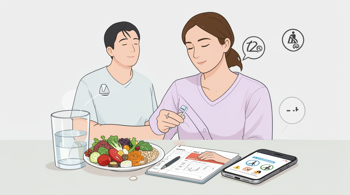
A diabetes meal plan considers what is eaten, portion size, and meal timing. Plans commonly emphasize vegetables, fruits, whole grains, nutrient-dense foods, and regular mealtimes while limiting excess calories, sugary drinks, and refined carbohydrates. Eating regular meals may help the body use insulin produced naturally or supplied through medication more consistently. 7
Fiber can slow digestion and may reduce the size of a post-meal glucose rise. Johns Hopkins Medicine reports that a review of 15 studies found potential glucose improvements when people with diabetes increased dietary fiber over 12 weeks or less. It also cites an American Diabetes Association target of 14 grams of fiber per 1,000 calories, although individual dietary needs should be discussed with a qualified healthcare professional. 5
Consider physical activity cautiously
Regular physical activity is a core part of diabetes self-management and can help improve blood glucose control over time. Activity should fit the person’s health status, treatment plan, and usual capabilities. Checking glucose as directed can help reveal how particular activities affect readings, especially for people using insulin or medicines that can cause low blood sugar. 2
Exercise is not automatically appropriate during significant hyperglycemia. People with type 1 diabetes and others instructed by their clinicians should check blood or urine ketones during substantial highs or illness. If ketones are present, exercise can worsen the metabolic problem and should be avoided while professional guidance is obtained. Feeling unwell with a high reading is also a reason to seek medical advice rather than trying to exercise through symptoms. 1
Recognize symptoms that require urgent care
Common hyperglycemia symptoms include intense thirst, dry mouth, frequent urination, fatigue, blurred vision, and recurring infections or slow-healing sores. Severe hyperglycemia can progress to diabetic ketoacidosis or hyperosmolar hyperglycemic state. Diabetic ketoacidosis involves ketone production, while hyperosmolar state usually does not, and both can occur at different ages and with different forms of diabetes. 1
Urgent medical evaluation is warranted for vomiting, abdominal pain, fruity-smelling breath, rapid or deep breathing, confusion, severe weakness, significant dehydration, or an inability to keep fluids down. These symptoms can indicate diabetic ketoacidosis or another serious complication. Emergency care is also appropriate when glucose remains very high, ketones are elevated, or the prescribed treatment plan is not reducing the reading. 8
Build a longer-term home management routine
Home management is more than responding to an isolated high result. Regular glucose checks, medication adherence, planned meals, physical activity, adequate sleep, stress management, and communication with the healthcare team form the main elements of ongoing diabetes care. Stress can raise glucose because cortisol may stimulate the liver to release additional glucose, particularly when insulin resistance is present. 6
Long-term monitoring also includes laboratory assessment and risk-factor management. The A1C test reflects average blood glucose over approximately three months, and a commonly used goal for many adults with diabetes is below 7%, although personal targets differ. Blood pressure, cholesterol, smoking status, kidney health, eye health, nerves, and feet also matter because uncontrolled diabetes can affect multiple organs and blood vessels. 2
What to document before contacting a clinician
When elevated readings recur, useful information includes the time and value of each test, meals and carbohydrate intake, activity, medication timing, illness symptoms, stress, and any ketone result. This record can help distinguish a temporary rise from a persistent treatment issue. It can also show whether readings are highest before meals, after meals, overnight, during illness, or after a change in routine. 3
Professional advice is particularly important when readings repeatedly exceed the person’s target, symptoms continue, ketones appear, or medication is difficult to take as prescribed. A healthcare team can assess possible infection, treatment failure, dehydration, or other causes and determine whether the diabetes plan needs revision. Home measures should therefore be viewed as supportive steps within an individualized care plan, not as a replacement for clinical treatment. 2
Sources
- Beyond Type 1, “What is High Blood Sugar + How Should I Treat It?”
- National Institute of Diabetes and Digestive and Kidney Diseases, “Managing Diabetes”
- Acibadem Hospitals Group, “How to Drop Sugar Level Immediately: Safe First Steps”
- UT MD Anderson, “6 Tips to Lower Your Blood Sugar”
- Johns Hopkins Medicine, “Managing Diabetes: Six Healthy Steps with the Most Benefit”
- National Institute of Diabetes and Digestive and Kidney Diseases, “Healthy Living with Diabetes”
- Mayo Clinic, “Diabetes Diet: Create Your Healthy-Eating Plan”
- Cleveland Clinic, “7 Self-Care Tips for People With Type 2 Diabetes”
Authored by 24Trendz team