Ways to manage neck pain at home: Clinical perspectives on conservative self-care strategies
Neck pain is a pervasive issue, with estimates suggesting that 60% to 80% of individuals will experience it at least once during their lifetime 9. The neck serves as a critical support structure for the head, which weighs approximately 12 pounds, making it susceptible to strain from daily habits, posture, and repetitive movements 4. For most people, mild to moderate discomfort is not indicative of a serious underlying condition and typically resolves within two to three weeks through conservative home management 1.
Understanding the Causes of Neck Discomfort
Most routine neck pain arises from muscle strain, sprains, or the natural wear and tear associated with aging, such as arthritis or degenerative disc disease 2, 6. Muscles and tendons can become irritated due to prolonged periods in a single position, such as looking down at a mobile device or working at a desk 4. Poor ergonomics, stress, and unsupportive sleeping positions are frequent contributors to the development of "cricks" or muscle spasms in the neck and shoulder area 3, 6.
The Role of Temperature Therapy and Medication
For acute pain, clinical guidelines suggest a tiered approach to temperature therapy. During the first 48 to 72 hours, applying an ice pack for 15 to 30 minutes, several times a day, can help manage inflammation 9, 10. After this initial period, transitioning to heat through warm compresses or hot water bottles may be more effective for relaxing tight muscles and improving blood flow 9, 10. Over-the-counter medications, including acetaminophen or nonsteroidal anti-inflammatory drugs (NSAIDs) such as ibuprofen and naproxen, are commonly used for short-term symptom relief 1, 9.
| Method | Usage Recommendation |
|---|---|
| Cold Therapy | First 48-72 hours; 15-30 mins per session. |
| Heat Therapy | After 72 hours; warm compress for muscle relaxation. |
| Analgesics | NSAIDs or acetaminophen as directed on labels. |
Movement and Activity Modifications
While rest is often a natural inclination when experiencing pain, prolonged immobilization can lead to increased stiffness and muscle weakness 10. Experts recommend maintaining gentle activity and avoiding prolonged bed rest 9. Individuals are encouraged to perform light, range-of-motion exercises as tolerated, which can assist in muscle relaxation 9. Using a neck collar is generally discouraged unless specifically advised by a medical professional, as it may hinder the recovery process by limiting necessary neck mobility 10.
Ergonomic Adjustments for Daily Tasks
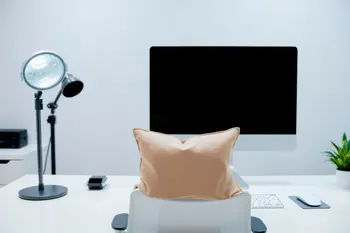
Modifying the environment to reduce physical stress on the cervical spine is a primary component of self-care. Ergonomic changes include placing computer monitors at eye level to prevent constant neck flexion 3. Utilizing hands-free headsets for phone calls avoids the common habit of cradling devices between the ear and shoulder 3. Additionally, keeping prescription eyewear up to date is essential, as outdated prescriptions can cause individuals to inadvertently tilt their heads back to focus, leading to compensatory neck strain 3.
Refining Sleep Habits
Sleeping positions contribute significantly to neck stiffness upon waking. A supportive position involves keeping the head aligned with the rest of the body to prevent unnecessary torque on the cervical spine 10. Using an excessive number of pillows can elevate the head to an unnatural angle, increasing tension in the neck muscles overnight 3. Choosing a pillow that provides adequate support without excessive height can help maintain a neutral spine position throughout the night 10.
When to Seek Professional Evaluation
While home care is often effective for routine strain, specific symptoms warrant immediate or prompt consultation with a healthcare provider. Indicators of more serious spinal or systemic issues include pain that follows major trauma, numbness or tingling in the arms or legs, muscle weakness, or difficulty walking 6, 10. Furthermore, if neck pain is accompanied by fever, a severe headache, or unexplained weight loss, medical assessment is necessary to rule out infection or other underlying conditions 7, 10. Persistent pain that does not improve after home intervention or that radiates down the arm also suggests the need for clinical diagnostics, such as physical exams or imaging studies 1, 10.
Authored by 24Trendz team