Hobbies for Healthy Aging: Scientific Insights on Longevity and Cognitive Function
Recent research underscores that engaging in diverse leisure activities serves as a modifiable determinant for healthy aging, influencing functional disability transitions and overall life expectancy 6. As leisure time often increases following the transition from professional life, the intentional selection of hobbies can play a substantial role in maintaining brain and body health 4. Clinical studies have increasingly documented that consistent participation in structured activities supports neuroplasticity, cognitive reserve, and emotional regulation, offering a buffer against the physiological effects of aging 1.
The Intersection of Physical and Cognitive Engagement
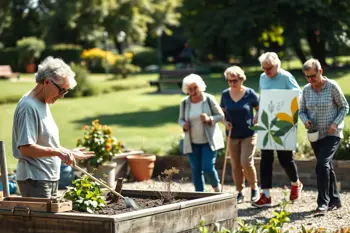
The most effective strategy for preserving brain health often involves a multi-modal approach that combines physical activity, mental challenge, and social interaction 2. Gardening, for instance, provides light to moderate physical exertion alongside cognitive stimulation, which has been linked to increased levels of brain-derived neurotrophic factor (BDNF) and vascular endothelial growth factor (VEGF) 1. These proteins are critical for supporting memory and executive function in older adults 1. Longitudinal data suggests that such engagement is associated with better cognitive outcomes even well into the late stages of life 1.
| Activity Category | Primary Wellness Benefit |
|---|---|
| Gardening | Stress reduction and BDNF production |
| Dance Classes | Attention, memory, and spatial reasoning |
| Meditation | Emotional regulation and prefrontal cortex function |
| Walking | Neuroplasticity and cardiovascular health |
Dance and Neurological Health
Dance classes represent a high-value hobby that challenges multiple brain regions simultaneously, including those responsible for attention, memory, and motor coordination 1. Research indicates that regular participation in rhythmic movement can slow the effects of cognitive aging 1. Large-scale studies have demonstrated that dance-based interventions are particularly beneficial for individuals exhibiting mild cognitive impairment, showing measurable improvements in executive function compared to baseline assessments 1. By integrating music, movement, and social components, dancing serves as an effective stimulus for long-term cognitive maintenance 1.
The Role of Meditation in Emotional Regulation
Beyond traditional physical activity, meditative practices offer significant neurological benefits by modulating the brain's stress-response systems 2. Neuroscientific observations reveal that consistent meditation reduces activity in the amygdala, often referred to as the brain's threat detector, while simultaneously strengthening the prefrontal cortex, which governs decision-making and calm 2. Clinical reviews have consistently linked these practices to improved markers of executive function and attention, providing a non-pharmacological pathway to emotional stability as individuals age 2.
Multi-Domain Activity Benefits
Participating in multiple types of leisure activities-classified as social, intellectual, or physical-yields cumulative benefits for cognitive longevity 9. A longitudinal analysis of older adults found that those who engaged in a broader range of domains experienced a progressively slower rate of cognitive decline compared to those who remained sedentary or focused on a single type of activity 9. Intellectual pursuits, such as learning a language or engaging in complex games, showed the strongest association with cognitive preservation, followed closely by social and physical engagement 9.
Mitigating Frailty Through Consistent Engagement
Frailty is a significant public health concern, yet evidence indicates that the frequency and variety of hobby engagement can mitigate its onset 7. Multi-country prospective studies suggest that maintaining an active social and functional life through clubs, volunteering, or hobbies serves as a protective factor against disability transitions 6. Because these activities offer sustained engagement without the pressure of strict performance metrics, they foster a sense of purpose that is vital for long-term psychological health and systemic physiological resilience 2.
Implementation and Safety Considerations
When selecting hobbies, it is essential to consider individual mobility, current health status, and personal interest to ensure safety and sustainability 5. While high-intensity exercise provides well-documented benefits, low-impact activities like walking and tai chi are equally effective for increasing brain volume and enhancing neuroplasticity without the risk of overexertion 4. Experts advise starting with activities that match existing energy levels and gradually increasing complexity, ensuring that the chosen pursuits remain enjoyable rather than a source of stress 5. Regular monitoring of one's physical response and maintaining social connections through group-based hobbies are recommended for achieving optimal outcomes 5.
Sources
- Verywell Health: 6 Hobbies That May Help Slow Brain Aging as You Get Older
- Today.com: 10 Hobbies That Protect Your Brain As You Age
- Kaiser Permanente: 27 Stress-Relieving Hobbies to Boost Your Health
- Martha Stewart: 10 Hobbies for Older Adults That Improve Brain and Body Health
- Mutual of Omaha: Fun Activities for Seniors to Stay Healthy
- JOGH: Hobby engagement, disability transitions, and life expectancy
- JOGH: Association between hobby engagement and frailty among adults aged 65 and older
- Health.com: Science Says 'Grandma Hobbies' May Have Real Health Benefits
- BMC Geriatrics: Independent, joint, and temporal associations of social, intellectual, and physical leisure activities with cognitive decline
Authored by 24Trendz team