Ways to manage carpal tunnel at home: Evidence-based guidance
Recognizing the symptom pattern
Carpal tunnel syndrome results from compression of the median nerve as it passes through a narrow passage in the wrist. Typical symptoms include numbness, tingling, burning, or pain involving the thumb, index finger, middle finger, and part of the ring finger. Symptoms often become more noticeable at night or while holding a phone, book, or steering wheel. The little finger is not supplied by the median nerve, so numbness there may indicate another condition. 1
Home care is most appropriate when symptoms are mild, intermittent, and consistent with this pattern. It should not substitute for diagnosis because hand numbness can also arise from nerve problems in the neck, other wrist conditions, arthritis, or injury. A healthcare professional may assess sensation and muscle strength and may order nerve conduction studies, electromyography, ultrasound, or other tests when the diagnosis is uncertain or symptoms are significant. 1
Using a neutral wrist splint
A wrist splint worn during sleep is one of the main conservative measures for carpal tunnel symptoms. The purpose is to keep the wrist near a straight, neutral position rather than bent downward or upward. Nighttime wrist flexion can increase pressure within the carpal tunnel, while natural overnight swelling may add to nerve compression. A neutral splint can therefore reduce the positions that commonly trigger nighttime tingling or waking. 3
Splinting is generally intended for nighttime use rather than continuous wear unless a clinician recommends otherwise. A brace that is too tight, causes skin irritation, increases numbness, or restricts circulation should not be continued. Symptoms that improve with night splinting but return during daytime tasks suggest that wrist position, gripping, or repetitive activity may still be contributing to nerve irritation. 2
Adjusting work and daily activities
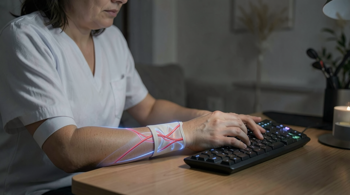
Frequent breaks can reduce the cumulative strain associated with typing, mouse use, tool handling, or other repetitive hand work. During breaks, the hands can relax rather than continuing to grip or press. Activities that require prolonged wrist flexion or extension should be modified where practical, and forceful gripping should be reduced. The aim is not complete inactivity, but fewer sustained positions and less repeated pressure on the wrist. 5
Workstation arrangement also matters. A keyboard and mouse should be positioned so the wrists can remain close to neutral, with the chair and work surface adjusted to avoid prolonged bending or reaching. Mouse angle, keyboard height, and the amount of pressure used while typing can all affect wrist loading. Similar principles apply to driving, reading, cooking, and household tasks: change hand position regularly and avoid maintaining a tightly bent wrist. 9
Gentle movement and exercises
Gentle median-nerve gliding and tendon-gliding exercises are sometimes used to help the nerve and tendons move more freely through the wrist. These movements should be controlled and comfortable, with the wrist kept close to neutral. A mild stretch may be acceptable, but sharp pain, burning, electric sensations, or increased numbness are reasons to stop. Short, modest sessions are preferable to forceful stretching or prolonged exercise. 4
Wrist stretches, including prayer-style or wrist-extension movements, may help maintain mobility, but they are not a guaranteed treatment for nerve compression. Exercises can aggravate symptoms if the wrist is pushed deeply into flexion or extension. If symptoms remain elevated after movement, the intensity or frequency should be reduced, and professional guidance from a clinician or hand therapist may be appropriate. 8
Managing discomfort and swelling
A cold pack applied to the wrist for about 10 to 15 minutes at a time may help manage swelling and discomfort. A cloth barrier should separate cold material from the skin, and prolonged exposure should be avoided. Cold treatment addresses symptoms rather than the underlying narrowing or pressure around the median nerve, so it is best considered an additional measure alongside wrist-position and activity changes. 6
Nonsteroidal anti-inflammatory drugs, commonly called NSAIDs, may provide short-term pain relief for some people, but they do not remove the underlying nerve compression. These medicines can be unsuitable for people with certain stomach, kidney, cardiovascular, bleeding, pregnancy, or medication-related risks. Product directions and a pharmacist or healthcare professional should guide use, particularly when symptoms are persistent or other medicines are already being taken. 7
When home management is not enough
Clinical assessment is important when numbness becomes constant, grip strength declines, objects are frequently dropped, or the thumb muscles appear smaller. Persistent sensory loss or weakness can indicate more advanced median-nerve involvement and may require testing and treatment beyond home measures. Symptoms affecting sleep, work, or ordinary hand use despite splinting and activity changes also warrant evaluation rather than indefinite self-treatment. 10
Medical treatment follows the severity and persistence of the condition. Clinicians may consider therapy, medication, or a corticosteroid injection for selected cases, while surgical decompression may be considered when symptoms persist, nerve testing shows substantial impairment, or muscle wasting develops. A proper diagnosis is especially important when symptoms involve the little finger, follow an unusual distribution, begin after an injury, or occur with marked weakness. 1
Sources
- Mayo Clinic, Carpal tunnel syndrome: Diagnosis and treatment
- Harvard Health Publishing, What’s the best treatment for carpal tunnel syndrome?
- The Well by Northwell, How to Treat Carpal Tunnel: What Really Works
- Cleveland Clinic, Carpal Tunnel Syndrome
- Johns Hopkins Medicine, Carpal Tunnel Syndrome
- WebMD, Carpal Tunnel Home Remedies
- Medical News Today, Carpal Tunnel Syndrome Treatments
- Healthline, Carpal Tunnel Wrist Exercises
- Arthritis Foundation, Carpal Tunnel Syndrome Symptoms and Causes
- American Academy of Orthopaedic Surgeons, Carpal Tunnel Syndrome
Authored by 24Trendz team