Early symptoms of heart disease to watch for: A clinical guide to subtle warning signs
Early symptoms of heart disease to watch for include chest discomfort, shortness of breath, unusual fatigue, nausea, discomfort in the arms or jaw, and a gradual loss of exercise tolerance. These signs can be subtle, intermittent, or mistaken for stress, indigestion, aging, or being out of shape, yet recognizing changes early can help identify coronary artery disease, heart failure, or an abnormal rhythm.
Chest discomfort and pain outside the chest
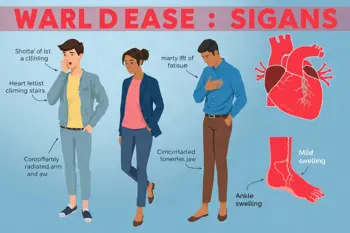
Heart-related chest discomfort is often described as pressure, tightness, squeezing, fullness, or heaviness rather than a sharp pain. It may last several minutes, return after easing, or appear during exertion and improve with rest. Symptoms that seem like heartburn or indigestion can still require evaluation, particularly when they are new, recurrent, or associated with other warning signs. 1
Discomfort caused by reduced blood flow to the heart can spread beyond the chest. Possible locations include one or both arms, the shoulders, back, neck, jaw, or upper abdomen. The sensation may be dull, tight, or uncomfortable instead of intensely painful, and some people experience little or no chest pain. 2
Breathlessness and reduced exercise tolerance
Shortness of breath during ordinary activities is an important change to monitor. Becoming winded while walking, climbing stairs, or completing routine chores may indicate that the heart is not circulating oxygen-rich blood effectively, although lung disease and other conditions can cause similar symptoms. A noticeable decline compared with the previous year is especially relevant. 3
Breathlessness may occur with or without chest discomfort and can be linked to coronary artery disease or heart failure. Difficulty breathing when lying down, waking at night short of breath, or needing more recovery time after familiar activities suggests a pattern that should be discussed with a healthcare professional rather than automatically attributed to aging or low fitness. 7
Fatigue, weakness, nausea, and indigestion
Unusual or persistent fatigue can be an early cardiovascular warning sign. Heart failure may cause tiredness because the weakened heart cannot meet the body’s demand for oxygen-rich blood, while coronary artery disease can produce fatigue when blood flow becomes insufficient during activity. The concern is greater when the fatigue is new, disproportionate, or accompanied by reduced stamina. 2
Nausea, vomiting, indigestion, stomach discomfort, dizziness, cold sweating, and a general sense that something is wrong can occur during a heart attack or other heart problem. Women, older adults, and people with diabetes may have fewer typical symptoms, so the absence of severe chest pain does not reliably exclude a serious condition. 10
Swelling, cough, and fluid retention
Swelling in the feet, ankles, legs, fingers, or abdomen can reflect fluid buildup associated with reduced heart-pumping ability. Rapid weight gain may also result from retained fluid rather than changes in body fat. These signs are more concerning when they occur with breathlessness, fatigue, or declining ability to perform normal activities. 7
A persistent cough, wheezing, or breathing difficulty can occur when fluid accumulates in or around the lungs. Heart failure symptoms are commonly summarized by the FACES framework: fatigue, activity limitation, congestion, edema, and shortness of breath. These symptoms have multiple possible causes, so clinical assessment is needed to determine whether the heart is involved. 7
Palpitations, dizziness, and fainting
Palpitations may feel like pounding, fluttering, racing, or skipped beats. They can occur with an abnormal rhythm such as atrial fibrillation, which may also cause shortness of breath, fatigue, or no symptoms at all. A new or recurring irregular heartbeat warrants medical evaluation, especially when it changes exercise capacity or occurs with other cardiovascular symptoms. 9
Dizziness, near-fainting, or fainting can indicate that the heart is not maintaining adequate blood flow or that an electrical rhythm problem is present. These symptoms are particularly concerning when combined with chest discomfort, breathlessness, or palpitations. A healthcare professional may need to assess the rhythm, blood pressure, and other potential causes. 3
When symptoms require emergency care
Emergency medical services should be contacted for chest pressure or discomfort that lasts more than a few minutes or returns, particularly when it spreads to an arm, back, neck, jaw, or stomach. Severe breathing difficulty, cold sweating, nausea, light-headedness, or sudden weakness can accompany a heart attack. Emergency services are preferable to driving because symptoms can worsen during transport. 11
Symptoms can begin gradually, come and go, or appear hours, days, or weeks before a heart attack, but no symptom pattern can confirm the cause at home. Risk is higher with high blood pressure, high cholesterol, diabetes, tobacco use, obesity, physical inactivity, or a strong family history. Even without symptoms, regular healthcare visits can help identify silent disease and address modifiable risks. 2
Sources
- NIHD, “Heart Disease Warning Signs You Should Never Ignore”
- Harvard Health, “5 overlooked symptoms that may signal heart trouble”
- UC Davis Health, “Heart Disease”
- Harvard Health, “5 warning signs of early heart failure”
- Methodist Health System, “What your heart may be trying to tell you”
- American Heart Association, “Warning Signs of a Heart Attack”
Authored by 24Trendz team