Your 10-day family cruise adventure: A comprehensive guide to planning and navigating extended sea voyages
Understanding the Dynamics of Long-Duration Family Cruises
Embarking on a 10-day family cruise provides a unique opportunity to immerse a group in multiple cultural destinations while maintaining a stable home base on the ship 2. Unlike shorter voyages, a 10-day itinerary necessitates a deliberate balance between time spent in port and days at sea 1. These sea days are essential for allowing children to rest, explore onboard facilities, and participate in structured programming without the fatigue associated with constant daily excursions 1. Professional guidance suggests that families should evaluate their preferred pace before booking, as some itineraries are expedition-focused with rigorous schedules, while others prioritize relaxation and on-ship leisure 8.
The logistical benefit of unpacking only once cannot be overstated when traveling with children 2. A stable cabin environment provides a familiar space that helps maintain bedtime routines and keeps personal belongings organized throughout the trip 2. Whether visiting the South Pacific, the Mediterranean, or navigating Amazonian tributaries, the ability to transition seamlessly between environments while maintaining consistent accommodation is a hallmark of the extended cruise experience 1, 9, 10.
Selecting the Right Cruise Line for Your Family
Matching a cruise line to the specific needs of an age group is a critical component of trip satisfaction 5. Major cruise operators differentiate their offerings through specific youth programming and ship amenities designed for varying age demographics 5, 10, 11. For families with younger children, lines that emphasize dedicated, supervised youth clubs often provide the most seamless experience 5, 12. These facilities are designed to integrate characters and storytelling into daily activities, creating an educational environment that keeps children engaged during transit periods 2, 5.
For families with teenagers or active children, lines that operate larger vessels in their fleet-such as the Oasis or Icon classes-often provide a wider array of high-energy activities like surfing simulators, zip lines, and rock-climbing walls 5. When choosing a vessel, it is important to consider that larger ships offer more space to spread out, which can be advantageous for avoiding crowds 5. Conversely, expedition-style cruises are increasingly utilized by families with older children or young adults who prefer active sightseeing, guided educational tours, and remote exploration over theme-park style amenities 8.
Documentation and Health Preparation
Regulatory compliance and health preparation are mandatory aspects of planning an international voyage. The U.S. Department of State advises that travelers carry a valid passport book for all cruise itineraries, even when specific closed-loop sailings may technically allow other forms of identification for U.S. citizens 2, 3. Beyond standard identification, families must confirm entry requirements for every destination visited, as these can shift based on nationality and local policy updates 6, 7.
Health maintenance is equally vital for long-term travel. The Centers for Disease Control and Prevention recommends that families consult a healthcare professional at least four to six weeks prior to departure 1. This time frame is necessary to review vaccination requirements, ensure prescriptions are adequately stocked, and discuss destination-specific health risks 1. It is also advisable to review the cruise line’s specific disruption policies, especially when planning travel during the Atlantic hurricane season, which runs officially from June 1 through November 30 1, 4.
Strategic Itinerary Planning and Port Logistics
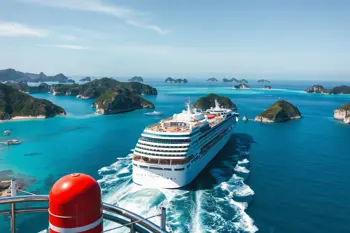
Choosing an itinerary involves analyzing the specific ports of call and the activities available in those locations. Port-heavy itineraries offer significant educational value, allowing children to learn about marine ecosystems, maritime history, and diverse cultures through guided excursions 2. For instance, a 10-day trip might combine urban exploration in cities like Auckland or Lima with wilderness experiences in the Amazon or the Norwegian fjords 1, 9. Managing transit between the airport and the ship is a foundational step, with major hubs like PortMiami and Port Canaveral offering distinct logistics regarding parking and shuttle services for families 1.
| Consideration | Planning Objective |
|---|---|
| Port Selection | Match local culture and nature activities to family interests. |
| Transit Timing | Account for potential delays when arriving at departure ports. |
| Shore Excursions | Verify age suitability and physical requirements before booking. |
| Seasonality | Check local weather patterns and hurricane season risks. |
Financial and Resource Management
While the cost of a cruise can vary significantly, understanding the financial scope of a 10-day adventure is important for planning. Costs are generally driven by the cruise line, cabin category, and the inclusion of specific excursions 5. Because 10-day itineraries represent a substantial investment, families often benefit from evaluating what is included in the base price versus additional costs like shore excursions, specialized dining, and gratuities 5. Establishing a budget for incidentals helps avoid logistical friction during the trip 5.
Experience indicates that the most successful trips are those that balance planned activities with unplanned downtime 1, 6. Flexibility is key, particularly when traveling with extended family or multiple generations. Providing family members with the autonomy to select their own activities within the ship’s offerings can minimize conflict and ensure that all age groups find the experience rewarding 5.
Addressing Potential Challenges
No cruise is without its challenges, and anticipating these can lead to a more stable experience. Common frictions include the logistical demands of packing for varied weather, navigating large ships during peak hours, and managing the occasional travel-related stress 2, 3. Bringing layers for fluctuating climates, booking balcony rooms to provide additional personal space, and maintaining a cache of snacks are frequently cited recommendations by experienced family cruisers 3. Ultimately, prioritizing communication and realistic expectations regarding the itinerary serves as a buffer against the unpredictability of international travel 1.
Sources
- Centers for Disease Control and Prevention: https://wwwnc.cdc.gov/travel/page/cruise-ship
- U.S. Department of State: https://travel.state.gov/content/travel/en/international-travel/before-you-go/cruise-ship-travel.html
- U.S. Customs and Border Protection: https://www.cbp.gov/travel/us-citizens/western-hemisphere-travel-initiative
- National Oceanic and Atmospheric Administration: https://www.noaa.gov/education/resource-collections/weather-atmosphere/hurricanes/hurricane-season
- PortMiami: https://www.portmiami.org/
- Port Canaveral: https://www.portcanaveral.com/Cruise
- The Islands of The Bahamas: https://www.bahamas.com/plan-your-trip/entry-requirements
- Cayman Islands Department of Tourism: https://www.visitcaymanislands.com/en-us/plan-your-trip/entry-requirements
- Visit Mexico: https://www.visitmexico.com/en
- Royal Caribbean: https://www.royalcaribbean.com/experience/activities/kids-and-teens
- Carnival Cruise Line: https://www.carnival.com/onboard/fun-for-all/kids
- Disney Cruise Line: https://disneycruise.disney.go.com/onboard-activities/youth-clubs/
Authored by 24Trendz team