Peripheral Neuropathy Symptoms: Clinical Analysis of Nerve Damage Manifestations
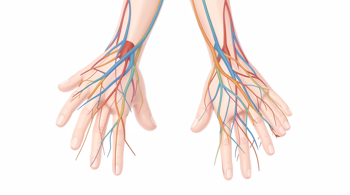
Peripheral neuropathy is a condition characterized by damage to the peripheral nerves, which reside outside the brain and spinal cord 1. These nerves are responsible for transmitting essential communication signals between the central nervous system and the rest of the body, including the skin, joints, and organs 1, 3. Because this network is extensive, peripheral neuropathy symptoms often present in diverse ways, typically beginning with gradual numbness, prickling, or tingling sensations in the feet and hands before potentially spreading to the legs and arms 1, 5, 9.
Understanding Sensory Nerve Involvement
Sensory neuropathy is a primary manifestation where the nerves responsible for relaying sensations like temperature, touch, and pain are compromised 1, 4. Individuals frequently report a sensation often described as wearing an invisible glove or sock 9. Common symptoms include a burning, sharp, throbbing, or jabbing pain, which may fluctuate in intensity 1, 4, 9. Furthermore, some patients experience allodynia, a condition where even a light touch causes significant discomfort or pain 4, 5.
Beyond pain, sensory damage leads to a reduced ability to detect temperature changes or injuries to the extremities, particularly in the feet 4, 5. This sensory deficit can manifest as the loss of balance or coordination, a phenomenon known as sensory ataxia 4. As the condition progresses, the inability to feel the ground properly or sense the position of one's limbs increases the risk of falling 5, 9. These symptoms are often more pronounced during nighttime hours 5.
Motor Nerve Dysfunction and Mobility
Motor neuropathy directly impacts the nerves that govern muscle movement and strength 1, 4. When these nerves are damaged, individuals may experience muscle weakness, cramps, and twitching, which can impede daily activities such as buttoning a shirt or walking 4, 8, 9. A specific clinical indicator is foot drop, where the individual experiences difficulty lifting the front part of the foot while walking 4. Over time, chronic motor nerve impairment can lead to visible muscle wasting, or atrophy, in the affected limbs 4, 6.
| Symptom Category | Specific Clinical Manifestations |
|---|---|
| Sensory | Tingling, numbness, burning, allodynia |
| Motor | Muscle weakness, cramping, foot drop, atrophy |
| Autonomic | Digestive issues, blood pressure changes, sweating |
Autonomic Nervous System Complications
Autonomic neuropathy occurs when damage affects the nerves that control involuntary bodily functions such as heart rate, blood pressure, digestion, and bladder activity 1, 4. These symptoms can be systemic rather than localized. For instance, individuals may experience dizziness caused by sudden drops in blood pressure, known as orthostatic hypotension, or fluctuations in heart rate 3, 4, 10. Changes in perspiration, such as excessive sweating or an inability to sweat, are also frequently observed 3, 9.
Digestive system involvement can lead to issues such as nausea, bloating, or irregular bowel function, which are often overlooked as signs of nerve damage 3, 4, 9. Additionally, sexual dysfunction is a potential outcome of autonomic nerve damage 10. Because these symptoms are often subtle in early stages, they may be attributed to other medical conditions, necessitating a comprehensive review of the patient's neurological and systemic health history by clinical specialists 3, 6.
Diagnostic Considerations and Patterns
Peripheral neuropathy typically follows a length-dependent pattern, meaning symptoms originate in the longest nerve axons-the toes-and progress proximally toward the trunk over time 5, 7. The condition is often symmetric, affecting both sides of the body simultaneously, though one-sided presentations can occur 5, 7. Diagnosing these symptoms often involves electrodiagnostic testing, such as electromyography (EMG) and nerve conduction studies, to determine whether the damage is axonal or demyelinating 6, 7.
Clinical teams emphasize the importance of identifying the underlying cause, which may range from diabetes and autoimmune diseases to vitamin deficiencies and exposure to toxins 2, 3. In approximately 27% of cases, no clear etiology is identified despite extensive testing 10. Regardless of the cause, persistent symptoms require monitoring, as nerve damage can lead to permanent changes in sensation and muscle control if left unmanaged or if the underlying condition remains untreated 8, 9.
Clinical Management and Impact
While some forms of peripheral neuropathy may improve if the underlying cause is addressed-such as managing blood glucose levels in diabetic patients or correcting vitamin deficiencies-other nerve damage may be permanent 1, 8. Treatment is primarily focused on symptom management rather than repairing the nerves themselves 6, 8. First-line pharmacologic interventions often include specific classes of medications such as alpha-2-delta calcium channel ligands, serotonin-norepinephrine reuptake inhibitors, and tricyclic antidepressants 10.
The impact of chronic nerve pain on an individual's quality of life and sleep quality is substantial, often necessitating a multidisciplinary approach that includes physical therapy and lifestyle modifications 7, 9. Patients are encouraged to consult with health care professionals to create personalized plans that address their specific sensory, motor, or autonomic needs 3, 9. Timely medical evaluation is recommended for those experiencing any persistent or worsening neurological symptoms to prevent further decline and optimize daily functional outcomes 9.
Sources
- Mayo Clinic - Peripheral Neuropathy Symptoms
- Cleveland Clinic - What is Peripheral Neuropathy
- Penn Medicine - Signs and Symptoms
- NHS Inform - Types and Symptoms
- NIDDK - Diabetes and Nerve Damage
- Merck Manual - Professional Overview
- Merck Manual - Consumer Guide to Polyneuropathy
- Mass General Brigham - Resource Center
- St. Luke’s Health Network - Identifying Neuropathy
- PubMed - Clinical Review 2026
Authored by 24Trendz team