Understand sleep apnea device options: A clinical comparison of therapies, eligibility, and practical considerations
Understanding sleep apnea device options means comparing more than mask styles or machine features. Treatment depends on whether breathing events are obstructive, central, or mixed, as well as sleep-study findings, airway anatomy, symptoms, health conditions, and tolerance of therapy. A clinical evaluation is important before replacing or stopping a prescribed device because untreated sleep apnea is associated with impaired alertness and cardiovascular risks. 1
How positive airway pressure devices differ
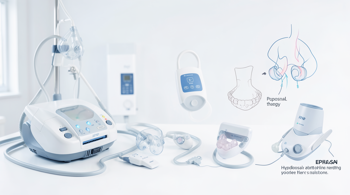
Continuous positive airway pressure, or CPAP, delivers pressurized air through a mask to keep the upper airway open during sleep. It remains the most established and commonly prescribed treatment for obstructive sleep apnea, particularly when disease is moderate or severe. A typical system includes a motor, tubing, and a nasal, nasal-pillow, or full-face interface. Consistent use throughout the entire sleep period is central to treatment effectiveness. 2
Automatic positive airway pressure, known as APAP or auto-CPAP, changes pressure in response to breathing patterns rather than maintaining one fixed setting. Bilevel PAP, often called BiPAP, uses a higher inspiratory pressure and a lower expiratory pressure, which may be considered when exhaling against standard CPAP pressure is difficult or when a clinician identifies a need for two pressure levels. These modes are not interchangeable without professional assessment. 3
Oral appliances and mouth-based devices
Oral appliances are worn during sleep and open the airway by changing the position of the jaw or tongue. A mandibular advancement device moves the lower jaw forward, while a tongue-retaining device holds the tongue in a forward position. Custom devices are generally evaluated and fitted through qualified dental sleep medicine care. They may be considered for some people with mild to moderate obstructive sleep apnea or for people who cannot tolerate PAP. 4
Oral appliances avoid tubing and pressurized airflow, but they require adequate dental health, fitting, adjustment, and follow-up testing to determine whether breathing events have improved. Potential practical problems include jaw discomfort, changes in bite, tooth movement, or inadequate control of more severe obstruction. A 2026 systematic review specifically examined mandibular advancement device effectiveness and occlusal complications, reinforcing the need for dental monitoring rather than unsupervised use. 5
Positional therapy and nasal EPAP
Positional therapy is designed for people whose obstructive events occur mainly while lying on the back. Wearable sensors or feedback devices can alert the sleeper or discourage back sleeping, reducing time in a position associated with airway narrowing. Its usefulness depends on the sleep study showing a positional pattern. It is therefore a targeted approach, not a universal substitute for PAP or other therapies. 6
Nasal expiratory positive airway pressure, or EPAP, uses small valves placed over the nostrils. The person inhales through the device and creates expiratory pressure that may help maintain airway patency. Research summaries describe nasal EPAP as an option for selected people with mild obstructive sleep apnea. Nasal blockage, skin reactions, discomfort, and uncertain effectiveness in an individual patient are practical limitations that require clinical review. 7
Implantable stimulation and surgery
Hypoglossal nerve stimulation uses an implanted system that monitors breathing and stimulates the nerve controlling tongue movement when obstruction is detected. The stimulation is intended to move the tongue forward and help keep the airway open. Eligibility is selective and depends on factors such as the type and severity of apnea, airway anatomy, prior treatment experience, and medical assessment. It involves implantation, programming, follow-up, and management of surgical risks. 8
Surgical approaches may be considered when physical airway structure plays a major role or when noninvasive treatments are unsuccessful or not tolerated. Procedures can include tissue-removing operations such as uvulopalatopharyngoplasty or skeletal procedures such as maxillomandibular advancement. Surgery is not a single device solution and may involve recovery, complications, residual apnea, or additional treatment. A sleep and airway evaluation is needed to match the procedure to the obstruction site. 9
Matching a device to the type of apnea
Obstructive sleep apnea occurs when the upper airway narrows or closes despite continued breathing effort. Central sleep apnea involves reduced or absent signals from the brain’s breathing-control system, and mixed patterns can contain both mechanisms. A device that mechanically holds an obstructed airway open does not automatically address unstable breathing control. The sleep study, medication history, heart and lung health, and treatment data help distinguish these patterns. 10
Device selection also reflects severity, anatomy, nasal breathing, body weight, sleeping position, dental condition, and personal ability to use treatment consistently. Weight management, avoiding alcohol or sedatives, addressing nasal obstruction, and changing sleep position can support care, but these measures should not be treated as replacements for diagnosed apnea therapy. Symptoms that persist despite treatment warrant review of adherence, mask fit, pressure settings, residual events, and the underlying diagnosis. 1
Practical risks, maintenance, and follow-up
Each option has an ongoing maintenance burden. PAP users may need mask fitting, humidification, tubing and filter care, and adjustment for dryness, congestion, leaks, or discomfort. Oral-appliance users need dental checks and possible device adjustments. Implant users require programming and medical follow-up, while positional and nasal devices require regular use and monitoring for skin or nasal problems. The most technically effective option may not work if it is not used reliably. 2
Changing pressure, oxygen, medication, or device type without professional guidance can leave apnea undertreated or alter the pattern of breathing events. Follow-up should use symptoms together with objective information from a sleep study or treatment data when available. Loud snoring, witnessed pauses, severe daytime sleepiness, morning headaches, or continuing symptoms despite treatment are reasons to seek medical assessment. Treatment decisions should account for safety, eligibility, comfort, effectiveness, and long-term follow-through. 3
Sources
- Acibadem Hospitals Group, “CPAP Alternatives: Options For Sleep Apnea”
- SleepApnea.org, “CPAP vs. Oral Appliance”
- Acibadem Health Point, “Sleep Apnea Treatment Choices”
- Sleepiverse, “Sleep Apnea Treatment: Comparing the Options”
- Dentistry Journal systematic review, “The Expanding Role of Dental Sleep Medicine”
- Johns Hopkins Medicine, information on obstructive sleep apnea and positional therapy
- WebMD, information on sleep apnea devices and nasal EPAP
- EatHealthy365, “The Different Types of Sleep Apnea Devices Explained”
- National Heart, Lung, and Blood Institute, sleep apnea treatment information
- Sleep Review, “Positive Airway Pressure Systems Comparison Guide”
Authored by 24Trendz team