Early signs of thyroid imbalance in women: An analytical overview of clinical indicators and physiological manifestations
Understanding the early signs of thyroid imbalance in women is essential for identifying potential metabolic or endocrine issues that may manifest subtly over time. Because the thyroid gland serves as a primary regulator of the body's metabolism, controlling functions from heart rate to calorie burning, any deviation in hormone production can have systemic effects 1. Thyroid disease is significantly more prevalent in women than in men, with approximately one in eight women projected to develop a thyroid disorder during their lifetime 1. Recognizing the difference between these early symptoms and common health fluctuations is a foundational step in clinical awareness.
Distinguishing Between Hypothyroidism and Hyperthyroidism
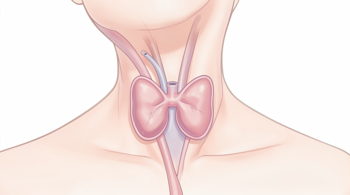
Thyroid disease is categorized primarily by the volume of hormone produced by the butterfly-shaped gland located at the base of the neck 2. When the gland is underactive, a condition known as hypothyroidism occurs, where the body produces insufficient thyroid hormone 3. Conversely, hyperthyroidism occurs when the gland is overactive, producing an excess of hormones that accelerate bodily processes 2. These two conditions present with distinct, often opposing symptoms, requiring careful clinical distinction to ensure appropriate health monitoring 2.
Common Indicators of Hypothyroidism
Hypothyroidism is characterized by a systemic slowing of metabolism, which manifests through a range of physical and neurological signs. Fatigue is arguably the most frequently reported symptom, with approximately 83% of patients noting it as their most prominent concern 2. Patients may also experience a heightened sensitivity to cold temperatures, feeling chilled even in environments where others remain comfortable 2. Other clinical indicators include weight gain, constipation, and visible changes in skin and hair texture, such as dryness or brittleness 3.
Neurological and cognitive impacts are also documented in early-stage hypothyroidism. Many individuals report experiencing brain fog, which includes difficulty concentrating and memory lapses, particularly in older populations 2. Furthermore, thyroid hormone levels are directly linked to mood regulation, and lower levels are frequently associated with symptoms of depression due to the slowed production of neurotransmitters like serotonin 2. Because these symptoms often develop slowly over several years, they are frequently misidentified as signs of aging or chronic stress rather than endocrine dysfunction 3.
Physiological Impacts on Reproductive Health
In women, the thyroid gland plays a crucial role in maintaining reproductive health and menstrual cycle regularity. Hormonal fluctuations can cause periods to become significantly lighter, heavier, or irregular 1. In more severe cases, thyroid disease can lead to amenorrhea, where menstruation stops for several months or longer 1. Because thyroid hormones influence ovulation, imbalances often contribute to challenges regarding fertility 1. Furthermore, if the underlying cause of the imbalance is autoimmune-related, it may impact other glands, potentially increasing the risk of early menopause before the age of 40 1.
Symptoms Associated with Hyperthyroidism
While hypothyroidism involves a slowing of body functions, hyperthyroidism is characterized by an excessive speed in metabolic processes. This can lead to a racing heart rate or palpitations, accompanied by feelings of anxiety or being on edge 4. Physical signs of an overactive thyroid often include unexplained weight loss despite normal dietary intake, heat intolerance, and increased perspiration 8. These symptoms can be distressing and are often the primary reason individuals seek clinical evaluation, as they contrast sharply with the fatigue and weight gain typically associated with underactive thyroid cases 4.
Autoimmune Factors and Risk Factors
Hashimoto’s disease is one of the most common causes of hypothyroidism in the United States, occurring when the immune system mistakenly attacks the thyroid gland 5. This condition is estimated to be 4 to 10 times more common in women than in men, with onset frequently occurring in women between the ages of 30 and 50 9. While the exact etiology involves a combination of genetic, environmental, and lifestyle factors, having a family history of autoimmune disorders is a significant risk indicator 5. Patients are often managed by endocrinologists to track the progression of thyroid damage over time 5.
The Role of Diagnostic Testing
Given the overlap between thyroid symptoms and other common conditions, medical professionals emphasize that clinical history alone is insufficient for diagnosis. The only objective method for confirming a thyroid imbalance is through a blood test that measures thyroid-stimulating hormone (TSH) and free T4 levels 8. Current medical guidelines suggest that while testing is common, it should be performed judiciously to avoid overtreatment of subclinical cases 10. Patients experiencing persistent symptoms should consult with a primary care provider to determine whether a thyroid function panel is warranted 7.
| Symptom Category | Hypothyroidism Indicators | Hyperthyroidism Indicators |
|---|---|---|
| Energy Levels | Persistent fatigue | Restlessness/anxiety |
| Weight | Unexplained weight gain | Unexplained weight loss |
| Temperature | Cold intolerance | Heat intolerance |
| Menstrual | Heavy/irregular periods | Lighter/irregular periods |
| Heart Rate | Bradycardia (slowed) | Tachycardia (fast/palpitations) |
Sources
- U.S. Department of Health & Human Services, Thyroid disease
- UnityPoint Health, 11 Early Warning Signs of Thyroid Problems in Women
- Mayo Clinic, Hypothyroidism (underactive thyroid) - Symptoms and causes
- UChicago Medicine AdventHealth, Thyroid Disease Warning Signs
- Penn Medicine, Hashimoto’s Disease - Symptoms and Causes
- Merck Manual Professional Edition, Hypothyroidism
- NHS Inform, Underactive thyroid
- Wisp, Early Warning Signs of Thyroid Problems in Women
- National Institute of Diabetes and Digestive and Kidney Diseases, Hashimoto’s Disease
- American Family Physician, Thinking Through Testing for Primary Thyroid Disease
Authored by 24Trendz team