Multiple Sclerosis Symptoms: A Clinical Overview of Patterns and Care
Multiple sclerosis symptoms are varied and may include visual disturbances, numbness, tingling, weakness, fatigue, balance changes, and problems with thinking or memory. The condition affects the brain and spinal cord by damaging myelin, the protective material around nerve fibers, which can slow or block messages between the brain and body. Symptoms differ substantially between individuals and may appear in episodes or progress gradually. 1
How multiple sclerosis symptoms develop
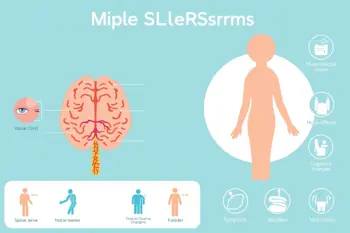
Multiple sclerosis is a chronic neurological disorder in which the immune system mistakenly attacks myelin in the central nervous system. Inflammation can create plaques or lesions in the brain, spinal cord, and optic nerves. Damage may also affect axons and nerve cell bodies, disrupting communication between neurons and the rest of the body. The location and extent of these lesions help explain why one person may primarily experience visual problems while another develops weakness, sensory changes, or coordination difficulties. 2
MS symptoms commonly follow one of several patterns. Many people experience short periods of new or worsening symptoms followed by partial or complete recovery and longer intervals with few noticeable symptoms. Other forms involve a gradual worsening of neurological function, either with or without relapses. A small number of people have mild symptoms with little disability, while others develop increasing limitations over time. Most people with MS have a normal life expectancy, although disease severity varies. 3
Vision and sensory symptoms
Visual symptoms are among the recognized manifestations of MS. They can include blurred or double vision, eye-movement abnormalities, or sudden loss of vision. Optic neuritis, involving inflammation or damage to the optic nerve, may produce visual disturbance and is often associated with pain around the eye. Because the optic nerves are part of the central nervous system, visual changes can occur alongside symptoms affecting the brain or spinal cord. 4
Numbness, prickling, tingling, and pins-and-needles sensations may affect the face, arms, legs, or other areas of the body. These sensations reflect disrupted signaling along affected nerve pathways and may occur with weakness or coordination problems. Sensory disturbances can be temporary during a relapse or persist when underlying nerve fibers have sustained more lasting damage. The distribution, duration, and combination of symptoms are important details in a neurological assessment. 5
Movement, balance, and fatigue
Motor symptoms include muscle weakness, stiffness, spasms, tremors, and clumsiness. Spasticity refers to tight or stiff muscles and involuntary spasms, often involving the legs. Damage in areas responsible for movement can also lead to difficulty walking, reduced mobility, or impaired control of the limbs. Coordination and balance problems may result from lesions affecting pathways in the cerebellum or brainstem, producing an unsteady gait or difficulty performing precise movements. 6
Fatigue is one of the most frequently reported MS symptoms, affecting approximately 80% of people living with the condition according to the cited National Multiple Sclerosis Society information. It may occur with weakness, sleep disruption, pain, or other neurological symptoms and can limit daily activity even when visible physical changes are modest. Heat exposure can temporarily worsen existing neurological symptoms, a phenomenon known as Uhthoff's phenomenon. 7
Cognitive, emotional, and pain-related symptoms
Cognitive changes may involve memory, attention, concentration, information processing, or executive functions such as planning and organizing. The cited Multiple Sclerosis Association of America information places cognitive changes in an estimated 50% to 65% of people with MS. These difficulties can be subtle and may become more apparent during fatigue or symptom flare-ups. Cognitive symptoms are distinct from intelligence loss and can occur even when physical disability is limited. 8
Depression, anxiety, mood changes, and other emotional effects are recognized features associated with MS. Emotional symptoms may reflect neurological changes, the psychological burden of living with an unpredictable condition, or both. Pain can also occur without an external injury, including burning, stabbing, or aching sensations. Trigeminal neuralgia is a form of facial pain that may feel like an electric shock. 9
Bladder, bowel, and sexual symptoms
Bladder dysfunction may include urgency, increased frequency, difficulty emptying the bladder, or incomplete emptying. These symptoms can result from lesions affecting the central nervous system pathways that coordinate bladder storage and release. Bowel dysfunction is also reported and may involve poor control or other changes in bowel function. Because bladder and bowel symptoms can affect daily routines and quality of life, they are relevant parts of a complete MS symptom history. 10
Sexual dysfunction is another recognized symptom and may arise from physical nerve damage, fatigue, mood changes, or psychological factors. Some people also experience swallowing difficulties, dry mouth, or other oral symptoms. These problems may be under-reported, making direct discussion with a healthcare professional important during assessment. MS does not produce one fixed symptom combination, so the absence of a particular symptom does not determine whether the condition is present or absent. 6
Relapses, diagnosis, and symptom management
A relapse generally involves new symptoms or a clear worsening of existing symptoms, followed by improvement that may be complete or partial. Progressive forms of MS can involve worsening neurological function without recognizable relapses. Since symptom patterns overlap with many neurological presentations, clinicians do not diagnose MS from symptoms alone. Medical history, physical and neurological examinations, magnetic resonance imaging, and other tests are used together because there is no single specific test for MS. 1
Management may include disease-modifying therapies intended to reduce exacerbations, corticosteroids for acute exacerbations, medicines aimed at particular symptoms, and rehabilitation. Physical and occupational therapy may support mobility, coordination, and daily functioning. Symptom monitoring should record onset, duration, severity, triggers such as heat, and effects on walking, vision, sensation, cognition, bladder or bowel control, and mood. These details help clinicians distinguish episodic changes from gradual progression and plan appropriate evaluation. 5
When symptoms warrant medical evaluation
New visual disturbance, sudden weakness, persistent numbness, difficulty walking, severe balance changes, or unexplained coordination problems should be documented and discussed with a qualified healthcare professional. MS can begin most often in young adulthood, commonly between ages 20 and 40, but it can occur at other ages. Symptoms alone cannot establish the diagnosis, and a neurological examination is needed to assess strength, sensation, eye movements, coordination, and reflex-related findings. 2
Clinical evaluation also matters because MS affects people differently and may be mild, relapsing, or progressively disabling. Some individuals experience symptoms that resolve fully or partially, while others develop persistent impairment involving writing, speaking, walking, or other functions. A diagnosis generally requires evidence from the clinical record or MRI showing characteristic lesions separated by location and time. Treatment decisions depend on the disease pattern, symptoms, examination, imaging, and overall medical context. 5
Sources
- MedlinePlus, Multiple Sclerosis
- National Institute of Neurological Disorders and Stroke, Multiple Sclerosis
- Penn Medicine, Multiple Sclerosis Symptoms and Causes
- Merck Manual Consumer Version, Multiple Sclerosis
- Merck Manual Professional Edition, Multiple Sclerosis
- Mass General Brigham, Early Signs of MS
- National Multiple Sclerosis Society, MS Symptoms
- Multiple Sclerosis Association of America, MS Symptoms
- Healthline, Multiple Sclerosis Symptoms
- Johns Hopkins Medicine, Multiple Sclerosis
Authored by 24Trendz team