7-day Scandinavia and Baltic Sea cruise exploration: An evidence-based itinerary report
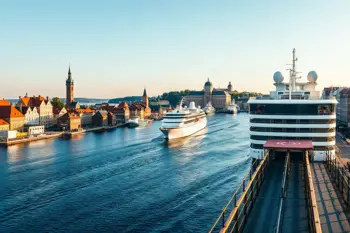
A 7-day Scandinavia and Baltic Sea cruise exploration can combine Nordic capitals, medieval Baltic towns, and German or Polish ports within one compact journey. Typical routes include Copenhagen, Stockholm, Helsinki, Tallinn, and a further call such as Visby, Warnemünde, Riga, or Gdańsk, although the exact sequence depends on the ship and departure port. 1
What a Seven-Night Route Usually Covers
A standard seven-night Northern Europe itinerary commonly begins and ends in Copenhagen, with a sea day and calls at Tallinn, Helsinki, Stockholm, and Visby. One published schedule lists Copenhagen for embarkation, Tallinn on day three, Helsinki on day four, Stockholm on day five, Visby on day six, and Copenhagen for disembarkation on day eight. The route contains five ports and is associated with Northern Europe. 1
Other seven-night formats change both the homeport and the regional emphasis. A round-trip Copenhagen itinerary on Norwegian Sun lists Warnemünde, Helsinki, Tallinn, and Stockholm, while another seven-night route travels from Stockholm to Copenhagen through Tallinn, Riga, Klaipėda, and Gdańsk. These differences mean that “Baltic cruise” is a broad category rather than one fixed itinerary. 2 3
Port Profiles and Shore-Time Priorities
Copenhagen functions as a frequent embarkation point and combines an international airport with public transportation links to the city and cruise facilities. Its visitor profile includes canals, royal architecture, Nyhavn, Tivoli Gardens, and cycling-oriented urban travel. Tallinn is particularly efficient for a short call because its cruise harbor is close to the medieval Old Town, where cobbled lanes, merchant buildings, and historic churches form the principal sightseeing area. 5 8
Stockholm’s attractions include Gamla Stan, the Vasa Museum, and the ABBA Museum, while Helsinki is associated with design districts, saunas, the waterfront, and Suomenlinna fortress. The precise Stockholm berth matters because some terminals are farther from central Stockholm than others. Helsinki’s cruise terminals connect with the center by tram, bus, taxi, or walking routes, but the practical choice depends on the terminal and time available. 6 7
Alternative Baltic and Scandinavian Port Mixes
Routes that include Riga, Klaipėda, and Gdańsk provide a different historical emphasis from the Copenhagen, Stockholm, Helsinki, and Tallinn sequence. Riga combines a medieval Old Town with a notable concentration of Art Nouveau architecture. Klaipėda introduces Lithuania’s Baltic coast, while Gdańsk contributes Hanseatic urban architecture and a major historical center. One Viking River Fleet itinerary stays in Riga overnight across days three and four, creating more time in that destination. 2 4
German calls can also broaden the route beyond the Nordic capitals. Warnemünde is used as the gateway for Berlin on some itineraries, although the inland journey makes a Berlin excursion substantially more time-sensitive than exploring a port’s immediate center. Visby, on Gotland, offers a medieval walled city, while Bornholm and Aarhus appear on other Northern European schedules. These substitutions affect the balance between capitals, islands, museums, and inland excursions. 1 3 5
Season, Daylight, and Onboard Rhythm
Late spring through early autumn is generally the principal season for Scandinavia and Baltic cruising because longer daylight supports urban sightseeing and outdoor excursions. The itinerary data identifies May, June, and July as particularly suitable, with June and July associated with white nights and midnight-sun conditions. Another regional guide places the broader season from May to September, indicating that operating patterns extend beyond the midsummer peak. 1 4
A seven-night voyage usually includes several port days separated by sea days, so the experience alternates between concentrated sightseeing and time aboard. Port calls may provide only several hours in a city, making a focused walking route, museum visit, or prearranged excursion more realistic than attempting multiple distant attractions. The long northern summer evenings can improve flexibility, but daylight does not remove the need to monitor all-aboard times and local transport. 1 11
Typical Costs and Route Trade-Offs
Approximate published category figures for a seven-night Baltic and Scandinavian itinerary place interior accommodation at $1,000 to $1,800 per person, balcony accommodation at $1,500 to $2,800, and suites at $3,500 to $7,500. These figures are starting-point estimates rather than guaranteed fares and can vary by sailing, cabin category, season, and inclusions. A separate luxury seven-night Copenhagen round trip was listed from $9,160 per adult based on double occupancy. 1 12
The principal trade-off is geographic breadth versus depth. A Copenhagen round trip can simplify arrival and departure logistics, while a Stockholm-to-Copenhagen itinerary may add Riga, Klaipėda, and Gdańsk but require different flight arrangements. A Warnemünde call can make Berlin possible but involves greater inland travel. Removing a distant headline destination can create room for longer calls in Stockholm, Helsinki, Visby, or smaller Baltic capitals. 2 4
Documentation, Compliance, and Operational Risks
Travelers should carry passports even when most calls are within the Schengen Area, because cruise routes can combine different entry situations and port authorities may require documentation during embarkation or border checks. Eligible U.S. citizens generally fall under the Schengen short-stay framework of up to 90 days in any 180-day period, subject to current conditions. Nationality-specific rules can differ, so official government guidance remains controlling. 9
Electronic travel authorization requirements may also change. The European Union’s official ETIAS information should be checked for the latest implementation status and eligibility rules before departure. Additional operational risks include terminal changes, weather-related schedule adjustments, missed independent transport, and the distance between a berth and city center. The final cruise-line itinerary, terminal assignment, insurance terms, passport validity rules, and excursion conditions should therefore be verified against official documents. 10 11
Sources
- 360Cruising, “7-Night Baltic & Scandinavian Cruise Itinerary”
- Cruises.To, “NEW! Baltic Discovery”
- Cruises.To, “7-Day Baltic Round-Trip Copenhagen”
- PortAdventurer, “Baltic Capitals Cruise Itinerary”
- VisitCopenhagen and Port of Copenhagen
- Visit Stockholm and Ports of Stockholm
- My Helsinki and Port of Helsinki
- Visit Tallinn and Port of Tallinn
- European Union, “Entry and Exit” travel information
- European Union, official ETIAS information
- Cruise Lines International Association, cruise-planning guidance
- Forbes, “How A Baltic Cruise Can Take You To 7 Countries In A Week”
Authored by 24Trendz team